
Understanding Your Service Requirements and Eligibility

Qualifying for a veteran pension starts with meeting specific service requirements that vary based on when you served in the military. These requirements need careful review to ensure a complete and accurate application.
Decoding the 90-Day and 24-Month Rules
Veterans who joined before September 8, 1980 must have at least 90 days of active duty during wartime to qualify for pension benefits. For instance, if you served for a total of two years but only three months were during a recognized period of war, only those three months count toward meeting this requirement. The timing of your service matters as much as the length.
The rules changed significantly for those who entered service after September 7, 1980. These veterans need 24 months of total active duty service. This doesn't mean you had to serve for two years straight – your active duty time can be added up from different periods. The key is reaching that total 24-month mark through qualifying service.
Verifying Your Service: A Practical Approach
Proving your service record requires more than just stating when you served – you need proper documentation to back it up. Your DD-214 form (Certificate of Release or Discharge from Active Duty) is essential since it provides official proof of your service dates, locations, and discharge status.
Other military records can help support your case too. For example, if you served 18 months total but participated in specific wartime operations, those records could help qualify you even if you don't meet the standard 24-month requirement. Having complete, accurate documentation makes a big difference in the success of your application.
Beyond the Basics: Exploring Additional Qualifying Circumstances
While meeting the basic service length requirements is important, there are other ways to qualify that many veterans don't know about. A service-connected disability discharge, for example, could make you eligible even with less active duty time than normally required.
Each wartime period also has specific rules that might affect eligibility. Some Vietnam-era veterans qualify even without direct combat experience, as long as they served during designated timeframes. This shows why it's worth learning about all potential qualifying factors – there may be paths to benefits you hadn't considered. Taking time to understand these details and gather proper documentation gives you the best chance at a successful pension application.
Navigating Financial Eligibility Without the Stress

Meeting service requirements is just one part of qualifying for a veteran pension. The other major factor is financial eligibility, which involves understanding net worth limits and how the VA evaluates your financial situation. Let's break down the key aspects of financial qualification and how to navigate them effectively.
Understanding the Net Worth Limit
The VA sets specific net worth limits to determine financial eligibility. For 2024, this limit is $129,094, which includes countable assets like cash, stocks, bonds, and investments. However, there's good news – your primary residence and vehicle don't count toward this limit since they're essential for daily life. The VA also excludes burial plots and pre-paid funeral expenses from these calculations, allowing veterans to plan for the future while maintaining their eligibility.
The 36-Month Look-Back Period: What You Need to Know
When reviewing your application, the VA examines all financial transactions from the previous 36 months. This means they'll closely review any asset transfers made within three years before you apply. For instance, if you gave away large sums of money or sold valuable items well below market price, the VA may flag these transactions. This policy helps ensure fairness and prevents attempts to artificially lower net worth just to qualify for benefits.
Managing Assets and Avoiding Pitfalls
Smart asset management is essential when preparing for a veteran pension application. Just as a gardener carefully tends their plants, you need to manage your finances with attention and care. Start by keeping detailed records of all income, expenses, and asset transactions. Good documentation not only makes the application process smoother but also helps prove your financial status to the VA.
Working with a financial advisor who knows veteran benefits can make a big difference. They can guide you through asset management decisions while keeping your long-term financial security in mind. Their expertise helps ensure you meet eligibility requirements without compromising your financial future.
Real-World Examples: Meeting the Requirements
Consider two different scenarios. In the first, a veteran owns a $250,000 home, a car, and has $80,000 in savings. Since their home and car aren't counted, their net worth falls well under the limit. However, if they recently gave $50,000 to a family member, that gift would need careful review under the look-back rule. In another case, a veteran with significant medical expenses might qualify even with assets close to the limit, since these expenses reduce their countable income. These examples show how personal circumstances affect eligibility and why understanding these rules matters for securing your benefits.
Maximizing Your Qualification Opportunities
Understanding how to qualify for veteran pension benefits involves more than just meeting basic requirements. Many former service members have additional paths to qualification that they may not know about. Let's explore how various personal circumstances can expand your eligibility options.
Age as a Qualifying Factor
Age plays an important role in determining pension eligibility, especially for veterans who served after September 7, 1980. If you're 65 or older, the VA may waive the standard 24-month service requirement, even if you served for a shorter period. This special provision helps older veterans access benefits when they need them most, provided they meet income and net worth limits. The VA recognizes that financial challenges often increase as veterans age.
Disability Status and Eligibility
Having a service-connected disability can significantly impact your pension qualification, even without a 100% disability rating. For instance, a veteran with a 70% disability may struggle with steady employment due to their service-related injury. This reduced ability to work, combined with the disability itself, can strengthen their case for pension benefits – even if they don't meet typical length-of-service requirements. The key is providing clear medical documentation that connects your disability to your military service.
Understanding Special Circumstances: Housebound and Aid & Attendance
The VA provides additional support for veterans who are housebound or need help with daily activities through special pension programs. A housebound veteran is someone permanently confined to their home due to disability. Aid and Attendance offers extra financial help to those needing assistance with basic daily tasks like dressing or bathing. Think of these as bonus benefits that stack on top of your base pension amount. To qualify, you'll need detailed medical records and healthcare provider statements showing why you need this extra support.
Building a Strong Qualification Case
Success with veteran pension applications requires careful preparation and knowing how your specific situation applies. Begin by collecting all military service documents, including your DD-214 and any records of wartime service or service-connected disabilities. You should also gather three years of financial records to show you meet net worth requirements. Each document serves as evidence supporting your case. Consider working with a veteran service organization or VA-accredited attorney who can guide you through the process and help present your strongest possible application.
Understanding Pension Rates That Work for You
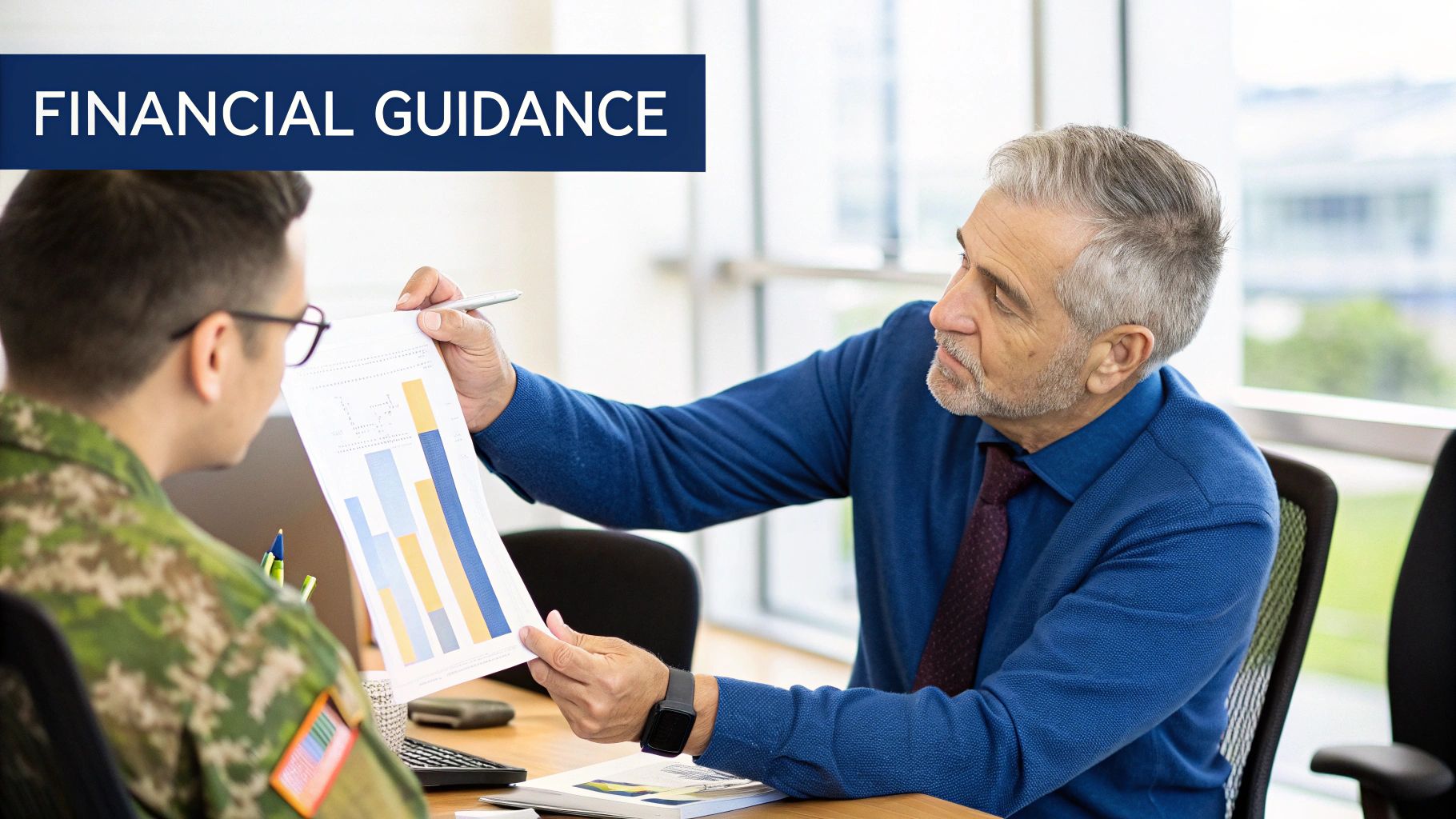
After exploring the qualification requirements for veteran pensions, it's essential to understand how pension rates are calculated. Knowing how the system works helps you make smart decisions about your benefits. The key is understanding Maximum Annual Pension Rates (MAPR) and how they apply to your specific situation.
Decoding the Maximum Annual Pension Rates (MAPR)
The MAPR represents the highest pension amount a veteran can receive each year and forms the foundation of the pension system. This rate changes based on several factors – your disability status, number of dependents, and eligibility for additional benefits like Aid and Attendance. For example, if you're single with no dependents, you'll have a different MAPR than someone who has a spouse and children. Understanding your specific MAPR is essential for planning your benefits effectively.
The Role of Unreimbursed Medical Expenses
Your out-of-pocket medical costs can make a big difference in your pension rate. The VA lets you subtract these expenses from your countable income, which often results in higher pension payments. This is especially helpful if you have significant medical bills. For example, when your yearly medical expenses exceed 5% of your MAPR, you can deduct everything above that threshold from your countable income. This adjustment can significantly boost your final pension amount.
How Household Income Affects Pension Rates
Your total household income, including what your spouse earns, directly impacts your pension rate. The VA uses a step-by-step system where lower incomes typically lead to higher pension payments. Some assets, like your main home and car, don't count in these calculations. This means you might still qualify for a good pension even if you own valuable assets, as long as your income falls within the guidelines.
Planning for Annual Adjustments
Just like Social Security benefits, the MAPR changes yearly based on cost-of-living increases. These adjustments help your pension keep up with rising prices and maintain its value over time. Since these changes can vary year to year, it's smart to prepare for some ups and downs. Working with a financial advisor who knows veteran benefits can help you manage these changes and keep your financial plans on track. By staying informed about how pension rates work and including them in your long-term planning, you can make the most of your veteran benefits.
Protecting Your Family Through Survivor Benefits
No one likes thinking about what happens after they're gone, but understanding survivor benefits is an essential part of caring for your family's future. For veterans who receive a pension, knowing how these benefits work ensures their loved ones have financial security during difficult times.
Who Qualifies for Survivor Benefits?
The Department of Veterans Affairs provides financial support through the Survivors (Improved Death) Pension to eligible family members after a veteran passes away. These benefits are available to surviving spouses who haven't remarried and dependent children. To qualify, the deceased veteran must have met the service requirements covered earlier, including wartime service. The surviving spouse also needs to meet financial criteria similar to those for veteran pensions, including income and net worth limits. For children, eligibility depends on age, student status, and any disabilities.
What Documentation Is Needed?
Getting survivor benefits requires careful preparation of paperwork. Surviving spouses need several key documents:
- The veteran's DD-214 discharge papers
- Marriage certificate
- Death certificate
- Financial records showing income and assets
For dependent children, necessary documents include:
- Birth certificates
- School records (if applicable)
- Medical documentation of any disabilities
Collecting these materials ahead of time helps prevent delays in the application process.
Maintaining Eligibility for Survivor Benefits
The VA closely examines financial decisions made by surviving spouses in the 36 months before applying for benefits, just as they do for veteran pensions. Moving around large amounts of money or assets during this period could affect eligibility. Surviving spouses should keep detailed records and inform the VA about changes like:
- New employment
- Inheritance
- Changes in income
- Major asset purchases or sales
Open communication with the VA helps maintain eligibility and prevents issues down the road.
Maximizing Your Family's Benefits
The amount of support a family receives varies based on the veteran's service record and the survivor's financial situation. Some surviving spouses may qualify for additional support, like Aid & Attendance benefits, if they need help with daily activities. Just as veterans should explore all their benefit options, surviving family members should understand the full range of available support. This knowledge helps ensure they receive the maximum assistance possible.
Real-World Example
Here's how survivor benefits work in practice: A widow whose husband served during wartime and met all pension requirements applied for survivor benefits. She had modest savings and limited income that fell within VA limits. By submitting complete documentation about her husband's service, their marriage, and her finances, she secured ongoing support that provides stability for her future. This shows how understanding the system and having proper documentation ready makes a real difference for families. The time spent learning about these benefits pays off by protecting loved ones when they need it most.
Mastering the Application Process
Getting approved for veteran pension benefits requires careful preparation and attention to detail. This section walks through exactly what you need to do to submit a strong application and improve your chances of approval.
Gathering Essential Documentation: Your Foundation for Success
Just like building a house needs a solid foundation, your pension application needs key documents to support your claim. Start with your DD-214 form – this is the cornerstone that proves your military service dates, discharge status, and wartime service. You'll also need records showing any combat zone service or disabilities. For instance, Vietnam War veterans should include documentation of time spent in designated combat areas during specific dates.
Your financial records are equally important. You'll need to provide 3 years of bank statements, investment documents, and income proof. Having these records well-organized helps the VA review your case more quickly and verify that you meet the income and net worth requirements.
Addressing Potential Challenges: Proactive Planning for a Smooth Process
Even with good preparation, you may face some hurdles during the application process. Missing paperwork is a common issue – get ahead of this by requesting copies of any lost records from the National Archives or your military branch before you apply.
Pay special attention to the VA's 36-month look-back period for financial transfers. The VA carefully reviews any major asset moves during this time. Keep detailed records and clear explanations for any significant financial changes to prevent delays from extra scrutiny.
Following Up Effectively: Staying Engaged With Your Application
After submitting your application, stay actively involved by checking your claim status regularly through the VA website or your assigned representative. Quick responses to any requests for additional information keep your application moving forward. Think of it like tending a garden – consistent attention leads to better results.
Resources and Support Systems: You Don't Have to Go It Alone
The application process can feel complex, but you have many resources available. Veterans service organizations like the VFW and American Legion offer free help with claims and can guide you through the VA system based on their deep experience.
For more complicated situations or appeals, VA-accredited attorneys provide expert legal guidance to protect your rights and present your case effectively. Their expertise often proves essential for difficult cases.
Taking a methodical approach to your pension application improves your chances of success. The proof is in the numbers – in FY2019, 760 veterans received pensions averaging $1,730 annually, with total benefits reaching nearly $1.3 million. Following these steps and using available help can lead to similar positive outcomes.
Ready to take action on securing your veteran benefits? The team at Homefront Group specializes in helping veterans understand pension requirements and submit strong applications. Their veteran advocates and legal experts can guide you through the process and help maximize your benefits. Visit their website today to learn how they can assist with your transition.