
Navigating Your Veteran Benefits Landscape
The veteran benefits system can feel overwhelming. Understanding your eligibility and the available programs is crucial for maximizing the support you've earned. This guide will help you navigate this complex landscape. This means understanding not only what benefits are available, but also how to access them effectively.
Understanding Your Eligibility
Your eligibility for specific veteran benefits depends on a few factors. These include your length of service, discharge status, and any service-related disabilities.
For example, veterans with an honorable discharge typically qualify for a broader range of benefits. Additionally, the nature of your service, such as wartime vs. peacetime, can also influence your eligibility. This intricate system requires a personalized approach to understanding your unique benefits.
Key Benefit Categories
Veteran benefits cover many needs, from healthcare and education to housing and financial support. To simplify this, we'll categorize the primary areas where benefits are offered. The following table, "Primary Veteran Benefit Categories," provides a general overview of major veteran benefit categories and their primary purpose.
To help you better understand the available benefits, here's a breakdown of the key categories and programs:
| Benefit Category | Key Programs | Eligibility Basics | How to Apply |
|---|---|---|---|
| Healthcare | VA healthcare, Tricare | Service history, discharge status | Through the VA or designated providers |
| Education | GI Bill, Vocational Rehabilitation | Length of service, discharge status | VA website or through educational institutions |
| Housing | VA Home Loan, Housing Assistance | Service history, discharge status, creditworthiness | VA website or approved lenders |
| Financial | Disability Compensation, Pension | Service-connected disability, wartime service, financial need | VA website or with assistance from a Veterans Service Officer |
This table provides a starting point for exploring programs within each category. However, remember that specific program requirements and application processes vary. Further research and consultation with a Veterans Service Officer (VSO) are highly recommended.
Funding and Support For Veterans
Veterans have benefited from government-funded programs designed to assist with healthcare, education, employment, and financial support. In the United States, the Department of Veterans Affairs (VA) plays a crucial role.
The 2025 budget proposal allocated $369.3 billion to the VA, a 9.8% increase from the previous year. This funding includes significant investments in mental health support, suicide prevention, and support for family caregivers. These initiatives demonstrate a commitment to supporting veterans' overall well-being. Learn more about the VA budget and its impact on veteran benefits here.
Visualizing Benefit Utilization
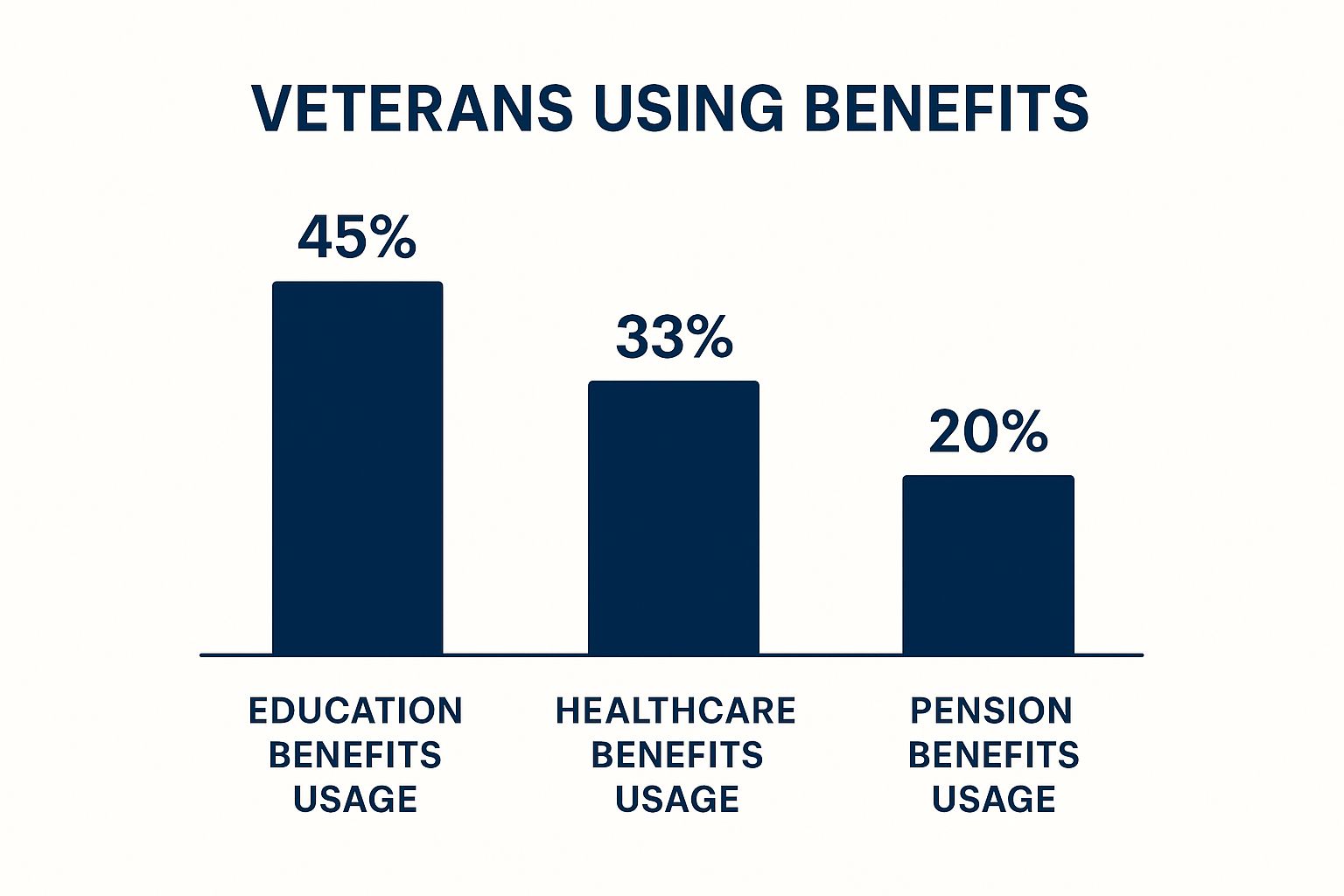
The data chart below visually represents the percentage of eligible veterans utilizing key benefit programs. The data reveals that while 80% of eligible veterans utilize healthcare benefits, only 50% take advantage of education benefits and 40% utilize housing benefits.
This disparity highlights a crucial point: many veterans are not maximizing their available benefits. The chart further breaks down utilization by specific programs within each category. This data emphasizes the importance of this veteran benefits guide and the need for continued outreach. Understanding these trends helps inform outreach and support efforts. This information empowers veterans to make informed decisions and access all available benefits.
VA Healthcare: Beyond Basic Medical Coverage
VA healthcare provides a comprehensive suite of services that extend far beyond routine medical appointments. However, many veterans remain unaware of the full scope of their coverage. This guide explores these often-overlooked benefits and provides practical strategies for maximizing your healthcare entitlements. Understanding your eligibility and how to access these services is paramount to your overall well-being.
Navigating the VA Healthcare System
Successfully using VA healthcare begins with understanding your priority group. This designation determines eligibility for certain services and can impact wait times. Veterans with service-connected disabilities typically receive higher priority. Familiarizing yourself with VA medical centers, community care networks, and telehealth services can also significantly improve access to timely care.
This includes understanding referral and appointment procedures. Connecting with other veterans experienced in navigating the VA system can offer invaluable insights. Sharing experiences and tips can make the process much smoother.
Unlocking Overlooked Benefits
The range of services offered through VA healthcare often surprises veterans. These can include dental programs, long-term care options, and caregiver support services. These programs aim to improve your quality of life and provide crucial support for your family.
VA dental care, for example, might be available to veterans with specific service-connected disabilities or other qualifying conditions. This can significantly reduce the financial strain of dental expenses. Long-term care options provide security for the future, while caregiver support offers essential assistance to family members.
Specialized Care and Support
The VA goes beyond basic medical coverage by offering specialized care tailored to specific needs. This includes mental health services, substance abuse treatment, and rehabilitation programs. These programs address the unique challenges veterans often face.
Addressing mental health concerns is especially important, given their prevalence among veterans. Accessing these services is key for overall wellness and successful transition back to civilian life. The VA's 2025 budget emphasizes mental health support and suicide prevention, demonstrating its commitment to these crucial services.
Practical Strategies For Accessing Care
Maximizing your VA healthcare benefits requires proactive involvement. This involves understanding your eligibility for specific programs and learning how to schedule appointments effectively. Clearly communicating your needs to healthcare providers is also vital.
The VA's website and the 2025 Federal Benefits Guide for Veterans offer helpful resources. Veterans Service Officers (VSOs) can also provide guidance and advocate for your needs. Exploring telehealth options can provide convenient access to care, especially for veterans in rural areas or those with limited mobility.
Caregiver Support: A Vital Resource
The VA acknowledges the crucial role caregivers play in supporting veterans' health. The Program of Comprehensive Assistance for Family Caregivers provides support and resources for families caring for veterans with serious injuries or illnesses.
This program offers financial assistance, training, and respite care. This allows caregivers to provide optimal support while also addressing their own needs. This comprehensive approach to veteran care recognizes the importance of family well-being to the veteran's overall health.
Planning For the Future With Long-Term Care
Planning for long-term care can be difficult. The VA offers options to assist veterans as their needs change. These include nursing home care, assisted living facilities, and home-based care. Understanding and planning for these options is important for long-term financial stability and peace of mind.
These services are vital components of the comprehensive care the VA provides, ensuring veterans have access to necessary support throughout their lives. Planning ahead can alleviate stress and ensure veterans receive the appropriate level of care as they age.
Education Benefits That Transform Civilian Careers

Your military service has provided you with invaluable education benefits to help advance your civilian career. Many veterans, however, are unsure of how to access these programs or their full potential. This section explores how you can use these opportunities, including the Post-9/11 GI Bill and the Montgomery GI Bill, to reach your career aspirations. These benefits are a significant investment in your future, and understanding how to use them strategically is key.
Post-9/11 GI Bill: A Powerful Tool
The Post-9/11 GI Bill offers substantial financial assistance for tuition, housing, and books. For veterans with at least 90 days of service after September 10, 2001, this benefit can cover up to 100% of tuition and fees at public institutions. It also provides a monthly housing allowance and a stipend for books and supplies. This comprehensive package allows veterans to concentrate on their studies without the worry of significant financial strain. It's important to determine your eligibility based on your length of service, as this will dictate the percentage of coverage you receive.
Montgomery GI Bill: Exploring Your Options
The Montgomery GI Bill presents another path to educational funding. While it generally offers less support than the Post-9/11 GI Bill, it can be a beneficial option for some veterans. Understanding the key differences between the two is critical for making an educated decision about which program aligns best with your individual circumstances. For certain veterans, combining benefits from both programs might even be a possibility.
Additionally, veterans transitioning to civilian life frequently face unique employment hurdles. The U.S. Census Bureau's Veteran Employment Outcomes (VEO) initiative offers data on veteran earnings and employment trends. You can find more detailed statistics here. This data underscores the value of specialized training and its positive influence on career success after military service.
Beyond Traditional College: Expanding Your Horizons
Veteran education benefits extend beyond traditional four-year degrees. You can utilize your benefits for vocational training, certification programs, and on-the-job training. These options provide flexible ways to develop sought-after skills and boost your marketability in specific fields. For instance, veterans interested in the skilled trades could use their benefits to become electricians, plumbers, or welders.
These alternative educational paths can open doors to rewarding and well-compensated careers. They allow veterans to customize their education to their unique interests and career goals. This personalized learning strategy can be more effective for many veterans than following a conventional college route.
Maximizing Your Benefits: Strategic Planning
Carefully planning how you’ll utilize your education benefits is essential to successfully reaching your career objectives. This involves researching various programs, understanding eligibility criteria, and calculating your potential benefits. Speaking with other veterans who have effectively used their benefits can offer valuable firsthand advice.
Transferring Benefits: Supporting Your Family
Under certain circumstances, transferring your Post-9/11 GI Bill benefits to your spouse or children is possible. This empowers you to invest in your family's future while still making the most of your own educational pursuits. This option offers significant flexibility and can be a powerful tool for supporting your loved ones. Understanding the specific requirements and steps for transferring benefits is crucial for taking advantage of this opportunity. Consulting with a Veterans Service Officer can guide you in deciding if transferring benefits is the best choice for your family.
Housing Benefits That Build Financial Security
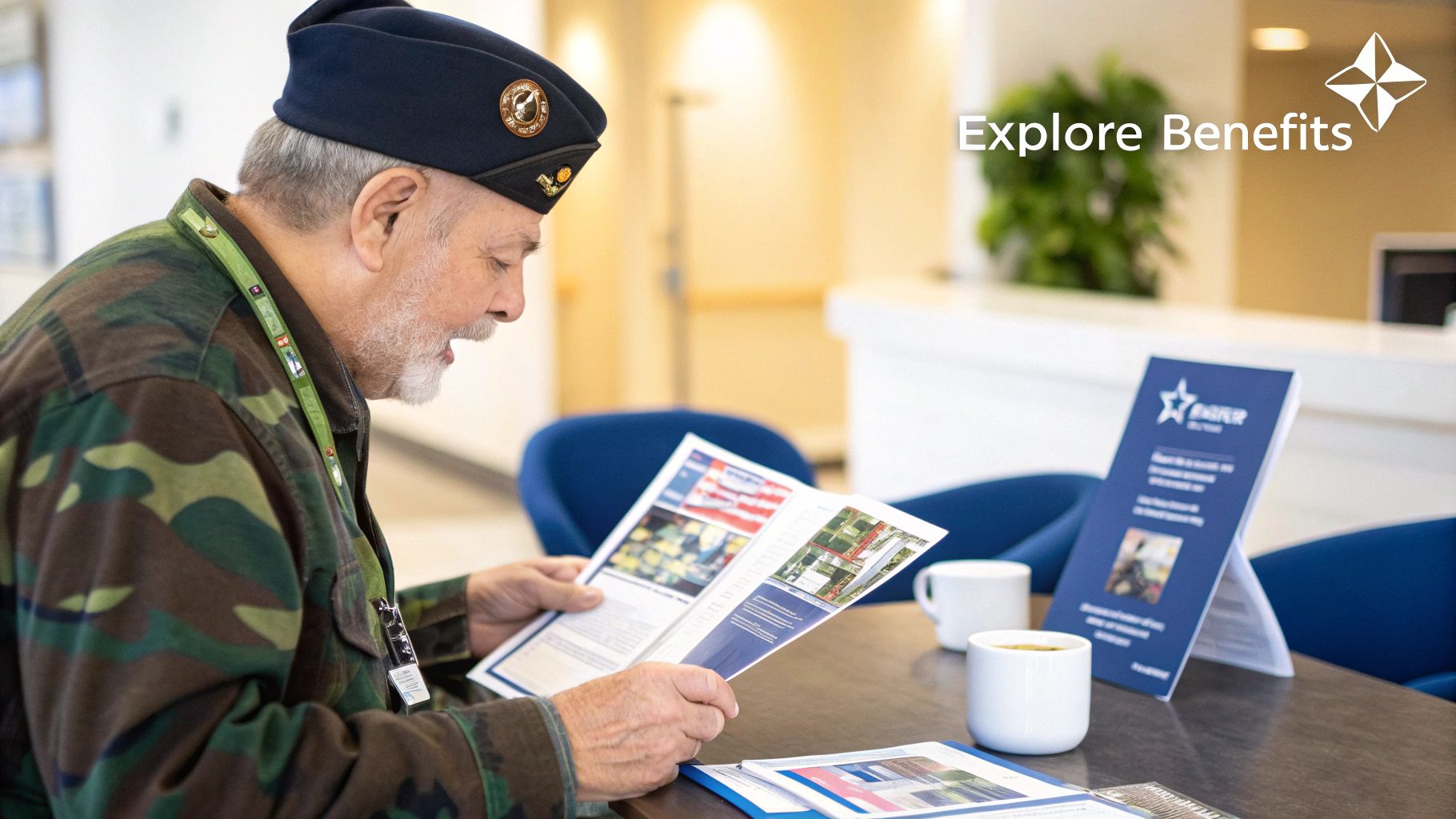
Transitioning from military to civilian life often involves the significant step of finding a new home. Fortunately, the Department of Veterans Affairs (VA) offers robust housing benefits designed to ease this process. The VA Home Loan stands out as a particularly valuable tool for veterans seeking long-term financial security. This benefit is essential for securing stable housing after service. Surprisingly, many veterans are unaware of the full range of housing options available to them.
Understanding the VA Home Loan Guarantee
The VA Home Loan isn't a loan provided directly by the VA. Instead, it's a guarantee the VA provides to private lenders. This guarantee reduces the risk for lenders, allowing them to offer veterans more advantageous loan terms. These terms often include the possibility of buying a home with no down payment and avoiding private mortgage insurance (PMI). This can lead to considerable savings compared to conventional loans. It's essential to remember that while the VA guarantees a portion of the loan, veterans remain responsible for repaying the loan in full.
Obtaining Your Certificate of Eligibility
Before applying for a VA Home Loan, veterans need a Certificate of Eligibility (COE). This certificate confirms that the veteran meets the service requirements to qualify for the benefit. You can obtain your COE online through the VA's eBenefits portal, by mail, or through a VA-approved lender. Gathering necessary documentation, such as your DD214, in advance will streamline the process. Obtaining this certificate is a critical first step in the home-buying process for veterans.
Navigating Funding Fees and Loan Structures
Most VA Home Loans involve a funding fee, which helps reduce the overall cost of the loan program for taxpayers. This fee is calculated as a percentage of the loan amount and varies depending on factors such as the down payment amount and whether the veteran has used the benefit previously. Certain veterans, including those with service-connected disabilities, are exempt from this fee. Understanding the fee structure is vital for accurate budgeting during the home-buying process.
Beyond the VA Loan: Additional Housing Support
The VA offers other housing programs beyond the VA Home Loan, particularly for veterans facing financial hardship or disabilities. The VA Specially Adapted Housing (SAH) Grant and the Special Housing Adaptation (SHA) Grant provide funds to help disabled veterans modify their homes to meet their specific needs. These grants can be truly impactful for veterans with service-connected disabilities, offering the support needed for home adaptations that ensure accessibility and a comfortable living environment.
Refinancing Options and Emergency Housing Assistance
Veterans also have access to VA-backed refinancing options, which can potentially lower monthly mortgage payments or allow a shift from an adjustable-rate mortgage to a fixed-rate mortgage. These options offer avenues for enhanced long-term financial stability. For veterans facing immediate housing crises, the Supportive Services for Veteran Families (SSVF) program provides essential resources and support to prevent homelessness. The SSVF program serves as a critical safety net, highlighting the VA's commitment to the overall well-being of veterans.
Building a Secure Future Through Housing Benefits
By understanding and utilizing these housing benefits, veterans can build a solid foundation for financial security and a smoother transition to civilian life. These resources can be instrumental in helping veterans achieve homeownership and secure stable housing, two key components of a successful transition. The diverse range of programs offered by the VA demonstrates a strong commitment to supporting veterans on their path toward a more promising future, providing a crucial pathway to financial stability and a sense of belonging within the civilian community.
Maximizing Your Disability and Financial Benefits
For many veterans, disability compensation is essential for financial well-being. However, the claims process can be complicated. This section aims to clarify how VA disability ratings work and offer strategies for a successful claim. We'll also explore additional financial benefits that can contribute to your overall security.
Understanding VA Disability Ratings
The VA assigns disability ratings as percentages, ranging from 0% to 100%, in 10% increments. These ratings reflect the severity of your service-connected condition and its impact on your ability to work and perform daily activities.
A 10% rating signifies a minor disability, while a 100% rating indicates a total disability. This rating directly affects your monthly compensation amount. A higher rating generally results in a higher monthly payment.
To help you understand the current compensation rates, let's take a look at the following table:
VA Disability Compensation Rates
Current monthly payment rates based on disability rating percentage and dependents
| Disability Rating | Veteran Only | With Spouse | With Spouse & Child | Each Additional Child |
|---|---|---|---|---|
| 10% | $165 | $192 | $220 | $28 |
| 20% | $327 | $356 | $385 | $28 |
| 30% | $496 | $528 | $558 | $28 |
| 40% | $672 | $707 | $740 | $28 |
| 50% | $910 | $950 | $989 | $28 |
| 60% | $1,146 | $1,190 | $1,232 | $28 |
| 70% | $1,403 | $1,453 | $1,499 | $28 |
| 80% | $1,644 | $1,700 | $1,753 | $28 |
| 90% | $1,885 | $1,947 | $2,007 | $28 |
| 100% | $2,127 | $2,198 | $2,266 | $28 |
This table provides a clear overview of how different disability ratings and dependent statuses affect monthly payments. Be sure to consult the VA website for the most up-to-date information.
Strengthening Your Claim: Essential Strategies
Submitting a strong claim from the outset is crucial. This involves gathering comprehensive medical evidence linking your condition to your military service.
Provide clear and detailed medical records. This includes diagnoses, treatment plans, and any relevant test results. Additionally, supporting documentation, such as buddy statements or statements from medical professionals, can significantly strengthen your claim.
Navigating the Appeals Process
If your claim is denied, don't be discouraged. Many claims are initially denied, but you have the right to appeal. Understanding the appeals process is key to successfully navigating the system.
Working with a Veterans Service Officer (VSO) can provide invaluable guidance and support. A VSO can help you gather documentation, prepare your appeal, and represent your interests.
Special Monthly Compensation: Additional Support for Severe Disabilities
For veterans with severe disabilities, Special Monthly Compensation (SMC) may be available. SMC offers additional financial assistance beyond standard compensation rates. This extra support helps veterans with significant disabilities maintain their quality of life.
Dependents and Payment Rates
The number of dependents you have (spouse, children, or dependent parents) impacts your compensation rate. The VA considers dependents when calculating monthly payments, with larger families generally receiving higher payments.
Inform the VA of any changes in your family status, as this can affect your benefit amount.
Exploring Other Financial Benefits
Beyond disability compensation, several other financial programs can support veterans. These include pension benefits for wartime veterans, concurrent receipt opportunities, and specific condition-related compensation.
Pension benefits are needs-based and provide crucial support for low-income veterans. Concurrent receipt allows veterans to receive both military retirement pay and VA disability compensation.
These programs can significantly improve a veteran’s financial security. For instance, the Cost of Living Adjustment (COLA) ensures benefits keep pace with rising costs. The predicted COLA increase for 2025 is between 2.5% and 2.6%. While lower than the 8.7% increase in 2022 and 3.2% in 2023, this adjustment remains crucial for veterans. Learn more about COLA here.
Working with Homefront Group
Navigating VA benefits can be challenging. Homefront Group specializes in assisting veterans with these matters. They provide personalized support and expert guidance to help you maximize your benefits.
This information aims to empower you to take control of your financial future. By understanding the available benefits and navigating the system effectively, you can ensure a more secure financial outlook.
Career Transition: From Military To Civilian Success
Transitioning from military service to civilian life can be challenging. However, veterans have a distinct advantage, possessing valuable skills and experience often sought after by employers. This guide explores how to leverage your military background for a successful civilian career, focusing on translating your skills into a civilian-friendly resume and understanding the resources available to veterans.
Translating Military Skills To Civilian Careers
Many military skills translate directly to civilian jobs. Leadership experience, honed in the military, is highly valued in the civilian workforce. Technical skills gained through military service can often be applied directly to civilian occupations. The key is to clearly articulate these skills on your resume. Consider your military experience as a project portfolio. Frame each role and responsibility as a specific achievement with quantifiable results, demonstrating your value to potential employers.
Federal Hiring Preferences: Your Advantage
Veterans often have a significant advantage when applying for federal jobs due to hiring preferences. The Veterans Recruitment Appointment (VRA) and the Veterans Employment Opportunity Act (VEOA) are two key programs that provide these preferences. These programs aim to give veterans a competitive edge in the federal job market. Understanding these programs and highlighting your veteran status on your application materials is crucial.
Leveraging The Veterans' Employment And Training Service (VETS)
The VETS offers numerous services to help veterans find employment. These include career counseling, job search assistance, and training programs. VETS acts as a career transition partner, guiding you through the civilian job market, connecting you with potential employers, and providing the support needed to succeed. They can also help you translate your military experience into language that resonates with civilian hiring managers.
Maximizing TAP Resources: Planning Your Transition
The Transition Assistance Program (TAP) is a vital resource for transitioning service members. TAP offers workshops, counseling, and tools to prepare for civilian life, covering topics like resume writing, interviewing skills, and financial planning. Active participation in TAP ensures a smoother, more successful transition.
When planning for retirement, veterans should also consider strategies to protect their assets. For more information on protecting your 401k, you can visit this resource.
Entrepreneurship Pathways: Building Your Own Business
Many veterans opt for entrepreneurship. The Small Business Administration (SBA) offers programs and resources specifically for veteran-owned businesses. These include access to funding, mentorship programs, and targeted training opportunities. VA-verified vendor opportunities also provide avenues for veteran-owned businesses to secure government contracts.
Specialized Funding Sources: Fueling Your Ventures
Veterans seeking business funding can explore specialized options. These include grants, loans, and investment opportunities specifically for veteran entrepreneurs, providing vital resources to launch and grow a business.
Building A Strong Network: The Power Of Connections
Networking is crucial for a successful career transition. Connecting with fellow veterans, attending industry events, and using platforms like LinkedIn helps build a strong professional network. Building relationships with other professionals opens doors to new opportunities and provides valuable support.
By leveraging these resources and taking a proactive approach, veterans can transition to fulfilling civilian careers and achieve their professional goals.
Mastering the VA System: Tactical Approaches That Work
Accessing veteran benefits can feel daunting, even after determining your eligibility. This section offers practical strategies from veterans who have successfully navigated the system, helping you cut through the red tape and receive the support you deserve. These tactics empower you to take control of the process and achieve results, translating theoretical eligibility into tangible assistance.
Working With Veterans Service Organizations (VSOs)
Veterans Service Organizations (VSOs) provide invaluable free assistance with claims. These organizations employ seasoned professionals familiar with the VA system. They can assist with gathering necessary documentation, completing required forms, and representing you throughout the claims process. This support significantly increases your chances of a successful claim. Consider a VSO your experienced guide, navigating the complexities of the VA system.
Effective Communication With VA Representatives
Clear and concise communication with VA representatives is crucial. Maintain records of all communications, including names, dates, and conversation details. When speaking with a representative, state your request or issue clearly. Follow up in writing to confirm the conversation specifics. This creates a documented record of your interactions, promoting accountability.
Resolving Common Roadblocks
The VA claims process can encounter roadblocks. Denied claims are common, but they are not final. Understanding your appeal options is vital. Having a VSO can be incredibly helpful in overcoming these challenges. For instance, a VSO can help identify missing documents or clarify unclear information within your claim.
Understanding the Appeals Process
The modernized appeals process provides multiple review options, offering veterans greater flexibility in pursuing their claims. Knowing which review option best fits your specific situation can significantly influence the appeal outcome. This approach allows for a more personalized resolution to individual claim issues.
Legal Representation: When Is It Necessary?
While VSOs offer essential support, legal representation may be necessary in complex situations. An attorney specializing in veteran benefits law can provide expert advice and advocacy, particularly for appeals or disputes with the VA. They can navigate the system's legal intricacies and effectively advocate on your behalf.
Overcoming Barriers: Practical Techniques
Many veterans encounter barriers preventing them from accessing their earned benefits. Lack of awareness about available programs, difficulty navigating the application process, and insufficient documentation are frequent challenges. Resources and support systems exist to overcome these hurdles. Actively seeking guidance from VSOs and using online resources like the 2025 Federal Benefits Guide for Veterans provides valuable information and direction. Veterans transitioning to civilian careers often find resume writing challenging. A tool like Resume Builder can help create a professional resume.
From Eligibility to Support
These practical methods convert theoretical eligibility into tangible support. By proactively utilizing available resources, veterans can effectively navigate the VA system and access their earned benefits. This active engagement empowers veterans to control their benefits and build a secure future.
Ready to secure your veteran benefits? Homefront Group offers personalized support and expert guidance to navigate the VA system. Visit their website today to learn more and schedule a free consultation.