Understanding VA Knee Disability Rating Criteria
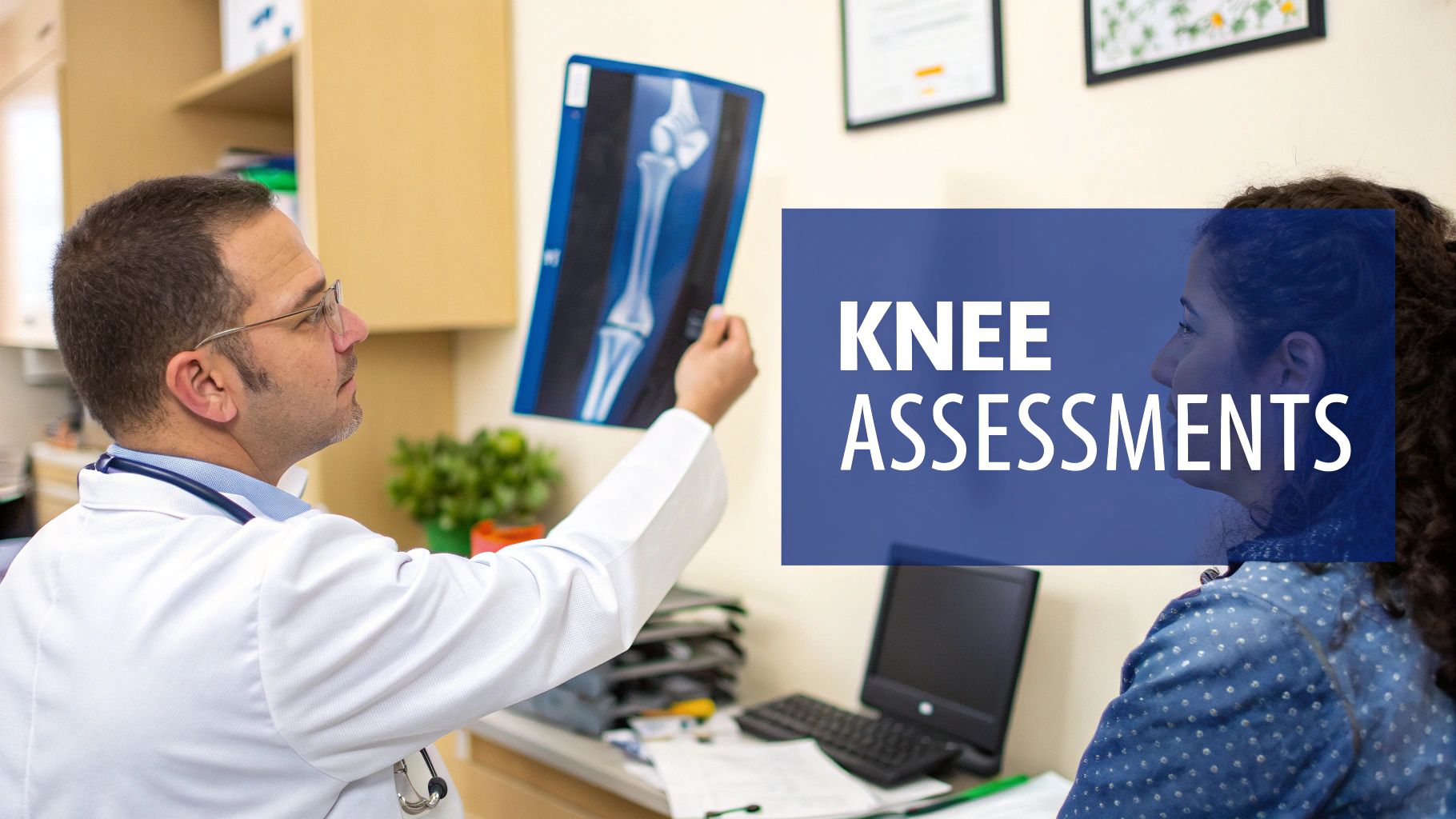
The VA evaluates knee disabilities through a detailed rating system that looks at how knee conditions affect a veteran's daily activities. This system uses specific diagnostic codes (DCs) and rating criteria to determine benefits. For veterans seeking compensation, knowing how these ratings work is essential.
Key Diagnostic Codes for Knee Conditions
The VA uses several codes to evaluate knee problems. These codes help classify specific limitations and set disability ratings. For example, DC 5260 covers flexion limitations, while DC 5261 addresses extension limitations. Another common code, DC 5257, deals with knee instability. Your specific knee condition determines which code applies to your case.
Range of Motion and VA Knee Disability Ratings
Your range of motion (ROM) plays a major role in determining your disability rating. During a Compensation and Pension (C&P) exam, the VA measures how well you can bend and straighten your knee. The ratings system assigns higher percentages for more limited movement under DC 5260 for flexion and DC 5261 for extension restrictions.
Painful Motion and Other Rating Factors
You may qualify for a VA knee disability rating even with normal range of motion. Pain during movement can be enough to warrant a rating, showing the VA recognizes that pain impacts function even without severe ROM limits. The VA also considers factors like swelling, stability issues, and need for walking aids. Under DC 5260, veterans can receive a 10% rating for flexion limited to 45 degrees, 20% for 30 degrees, and 30% for 15 degrees. Learn more about knee disability benefits here.
Importance of Accurate Medical Documentation
Good medical records are vital for your VA disability claim. Your records should clearly show your diagnosis, treatment history, and how your knee condition affects your daily activities. Work with your doctors to document all symptoms, including pain, stiffness, and mobility issues. These records provide key evidence for the VA to evaluate your claim properly.
Maximizing Your Benefits Through Multiple Ratings

Many veterans think one rating covers their entire knee disability. However, you can often get multiple VA ratings for different knee problems, which can boost your total disability rating and benefits. Understanding how ratings work together is key to getting fair compensation.
Combining Ratings for a Higher Overall Percentage
The VA uses a special system to combine ratings – it's not just simple addition. For example, two 20% ratings don't equal 40%. Instead, the VA uses a formula that gives less weight to each additional rating. While each rating helps increase your total, the boost gets smaller with each one added. This approach focuses on how the disabilities affect your daily life rather than just adding up numbers.
The Bilateral Factor: When Both Knees Are Affected
When both knees have service-connected disabilities, the VA adds a bilateral factor. This recognizes that having problems with both knees creates extra challenges. The bilateral factor adds more percentage points to your combined rating since having both knees affected makes daily activities much harder.
Separate Ratings for Different Knee Impairments
The VA recognizes knees can be impaired in several ways. You might have trouble bending your knee, straightening it, and experience instability – all from one service-connected issue. Getting separate ratings for limitation of flexion, limitation of extension, and knee instability can significantly boost your rating. Veterans can get ratings under DC 5260 for flexion problems and DC 5261 for extension problems at the same time. For example, one veteran had separate 30% ratings for left and right knee strain. Learn more about rating combinations here.
Secondary Conditions and Their Impact on Ratings
Secondary conditions are health problems caused by your service-connected knee disability. For example, back pain from walking differently due to knee problems counts as a secondary condition. Getting these secondary conditions properly documented and rated can increase your overall disability rating and help ensure you receive fair compensation for all your service-related health issues.
Documenting Pain and Functional Loss Effectively

Getting a fair VA knee disability rating depends on how well you document your pain and limitations. Simply stating that you have pain isn't enough – you need to show specifically how it affects your daily activities. Let's explore practical ways to clearly communicate your limitations to the VA.
The Power of a Pain Journal
A pain journal helps track your knee pain thoroughly over time. Record key details like when pain occurs, what activities trigger it (walking, stairs, etc.), and how the pain feels (sharp, aching, throbbing). Note which medications you take and whether they help. Daily tracking creates valuable documentation to support your claim.
Beyond the Pain Journal: Activity Logs and Supporting Statements
While pain journals are important, activity logs add another layer of evidence. Write down specific limitations like how far you can walk or how long you can stand before pain forces you to stop. Ask family, friends, or coworkers to provide supporting statements about limitations they've observed. Their firsthand accounts of your struggles can strengthen your case.
Working With Your Healthcare Provider: Ensuring Accurate Medical Records
Medical records form the basis of your VA claim, so work closely with your healthcare provider to document everything. Share your pain journal and activity logs during appointments. Discuss all symptoms – pain levels, reduced motion, instability, etc. Past VA cases show that detailed medical records noting both measurable symptoms and personal experiences can lead to higher disability ratings. Learn more about VA claims here.
Demonstrating Functional Limitations
Be specific about how your knee condition limits your daily activities. Instead of general statements, provide clear examples like: "I need to take breaks every 15 minutes when standing" or "I can't climb stairs without severe pain." Explain concrete ways your knee pain affects basic tasks like dressing, bathing, cooking and working. This detailed information helps the VA understand your daily challenges.
Avoiding Critical Mistakes in Your Disability Claim

Getting the right VA knee disability rating depends on careful preparation and strong documentation. Simple mistakes can lead to lower ratings or denials. Here are key areas to focus on to improve your chances of a successful claim.
The Importance of Complete Medical Records
Thorough medical records are essential for a successful claim. Your records must show a clear link between your current knee condition and your military service. This connection, known as the nexus, requires documented proof of both the initial service-related incident and your ongoing medical care. For example, if you hurt your knee during training, this should appear in your service records. Your current medical records should diagnose your condition and explain how it stems from that original injury. This documentation helps establish direct service connection.
Documenting the Full Impact of Your Condition
Your medical records should detail how your knee condition affects your daily life. Include specific information about pain levels, movement limitations, and impacts on regular activities. For example, document if knee pain stops you from climbing stairs or standing for long periods. The VA bases ratings on functional loss, so clear documentation of how your condition limits your activities is key to getting an appropriate rating.
Preparing for Your C&P Examination
The Compensation and Pension (C&P) examination plays a vital role in your claim's outcome. Come prepared with all medical records, pain journals, activity logs, and supporting statements from others. Be ready to clearly describe your symptoms, pain patterns, and daily limitations. Share the full extent of your condition – don't minimize your symptoms. The examiner's report heavily influences the VA's decision, so make sure it captures your complete situation.
Seeking Professional Assistance
The VA claims process has many complexities. Working with experienced veterans' advocates at Homefront Group can improve your chances of success. These professionals know VA regulations well and can help gather documentation, prepare for exams, and build a strong case. Don't hesitate to ask for help – your benefits are worth it.
Mastering Your VA Knee Examination
The Compensation and Pension (C&P) exam is an essential step in securing VA knee disability ratings. During this evaluation, a medical professional will assess your knee condition to help determine your benefits. Understanding the exam process and preparing properly can help you achieve better results.
Preparing for Your C&P Exam: Key Documents and Information
Gather all your relevant medical documentation before the exam. This should include your service and civilian medical records related to your knee condition, along with any X-rays, MRIs, and doctor's notes detailing your diagnosis and treatments. A detailed pain journal documenting when and how severely your knee hurts can provide valuable context. Note how your condition affects everyday activities like walking or standing. These records help create a complete picture of your condition for the examiner.
Communicating Effectively During Your Exam
Be clear and specific when describing your symptoms during the exam. Instead of general statements like "my knee hurts," provide concrete examples such as "I cannot stand for more than 15 minutes without severe knee pain." The examiner will test your range of motion through bending and straightening exercises. Be honest about your limitations – don't minimize or exaggerate your symptoms. The examiner's report significantly influences the VA's decision, so accurate communication is key.
Addressing Range of Motion and Painful Motion
Range of motion testing is a core component of the C&P exam for knee ratings. The examiner measures how far you can bend and straighten your knee, as these measurements directly affect disability ratings. For example, being limited to 15 degrees of flexion may qualify for a 30% rating under Diagnostic Code 5260. Extension limitations are rated under DC 5261. Even with normal range of motion, you may receive a rating if movement causes pain since this painful motion shows how your condition impacts daily function.
Demonstrating Functional Limitations: Painting a Complete Picture
Beyond the physical tests, clearly explain how your knee condition affects your daily life and ability to work. Use specific examples – if knee pain makes driving difficult, describe how this impacts getting to work or medical appointments. For flare-ups, note their frequency, triggers, and duration. This detailed information helps the VA understand your disability's true impact on your quality of life. For expert help with VA disability claims, consider reaching out to experienced advocates at Homefront Group.
Strategic Next Steps: From Rating Decision to Appeals
After receiving your VA knee disability rating decision, you need to understand your options and next steps. The initial rating decision outlines your disability percentage and benefits, but it's not always final. Here's what you need to know about reviewing your decision and pursuing appeals if needed.
Understanding Your Rating Decision
Take time to carefully review your complete rating decision document. It contains important details about how the VA evaluated your case, what evidence they considered, and their reasoning for the assigned percentage. For instance, if you received a 10% rating under DC 5260 for limited knee flexion, the decision will explain what medical evidence supported that specific rating.
When to Consider an Appeal
You have the right to appeal if you believe your VA knee disability rating doesn't properly reflect your condition's severity. Some common reasons to appeal include:
- Rating too low: When the VA underestimates how your knee condition impacts your daily functioning
- Service connection denied: If the VA fails to link your knee problems to your military service
- Overlooked conditions: When secondary issues like back pain from an altered gait aren't included in the rating
Building a Strong Appeal
To create a solid appeal, focus on gathering compelling evidence like:
- New medical records: Recent diagnoses, treatment notes, or medical opinions about your knee condition
- Personal statements: Documentation from family members, friends or coworkers describing how your knee problems affect your daily activities
- Independent medical exams: Getting an unbiased evaluation from a qualified doctor outside the VA system
Types of Appeals
The VA offers three main ways to appeal:
- Supplemental Claim: Submit new evidence supporting your case, such as updated medical documentation
- Higher-Level Review: Request a senior reviewer to check for errors in how rules were applied
- Board Appeal: Have your case formally reviewed by the Board of Veterans' Appeals
Seeking Professional Guidance
The appeals process involves many complex steps and requirements. Working with an experienced veterans advocate, like those at Homefront Group, can make a big difference. Their team understands VA disability claims inside and out, with $45 million in pending claims for injured veterans. They can help gather evidence, explain appeal options, and present your case effectively to maximize your benefits. Don't try to handle appeals alone – get expert help to improve your chances of success.