
Understanding Today's VA Claims Landscape
Filing a VA disability claim involves many steps and can take time to complete. To help manage your claim effectively, it's important to understand how the current VA claims system works, including how to check your claim status and what factors affect processing times.
Key Factors Influencing Claim Timelines
The time needed to process a VA claim depends on several key elements. Complex claims with multiple medical conditions naturally take longer to review than simpler ones. For instance, if you're filing for several service-connected disabilities that require extensive medical documentation, the VA will need more time to carefully evaluate each condition and verify the supporting evidence.
The availability of required documentation also plays a major role in processing speed. When you submit a complete claim package upfront with all necessary medical records and evidence of service connection, the VA can process it much more efficiently. Missing or incomplete records, on the other hand, create delays since the VA must pause their review while waiting for additional documentation. Getting all your paperwork in order before filing helps prevent these kinds of holdups.
Recent Improvements and Their Impact
The VA has made real progress in reducing both claim backlogs and processing times. As of December 2024, the backlog is down 42.2% to 241,601 claims. Better technology and more efficient processes have helped bring the average processing time to around 140 days.
Keep in mind that these are average figures – actual processing times can vary between different VA regional offices based on their workload and staff resources. Some offices process claims faster than others. For this reason, it's important to regularly check your specific claim's status rather than relying solely on average timeframes.
Setting Realistic Expectations and Staying Proactive
Understanding these factors helps veterans approach the claims process with realistic expectations. Regular claim status checks let you track progress and spot potential issues early. While waiting can feel frustrating, staying engaged through consistent monitoring and communication with the VA gives you the best chance for a smooth experience. Being informed and proactive puts you in a better position to navigate the claims process successfully.
Mastering Your VA Disability Claim Status Check
Understanding how to track your VA disability claim empowers you to take control of the process rather than feeling lost in uncertainty. By knowing the available methods for checking your claim status, you can stay informed and proactive throughout the journey.
Utilizing Online Resources for VA Disability Claim Status Check

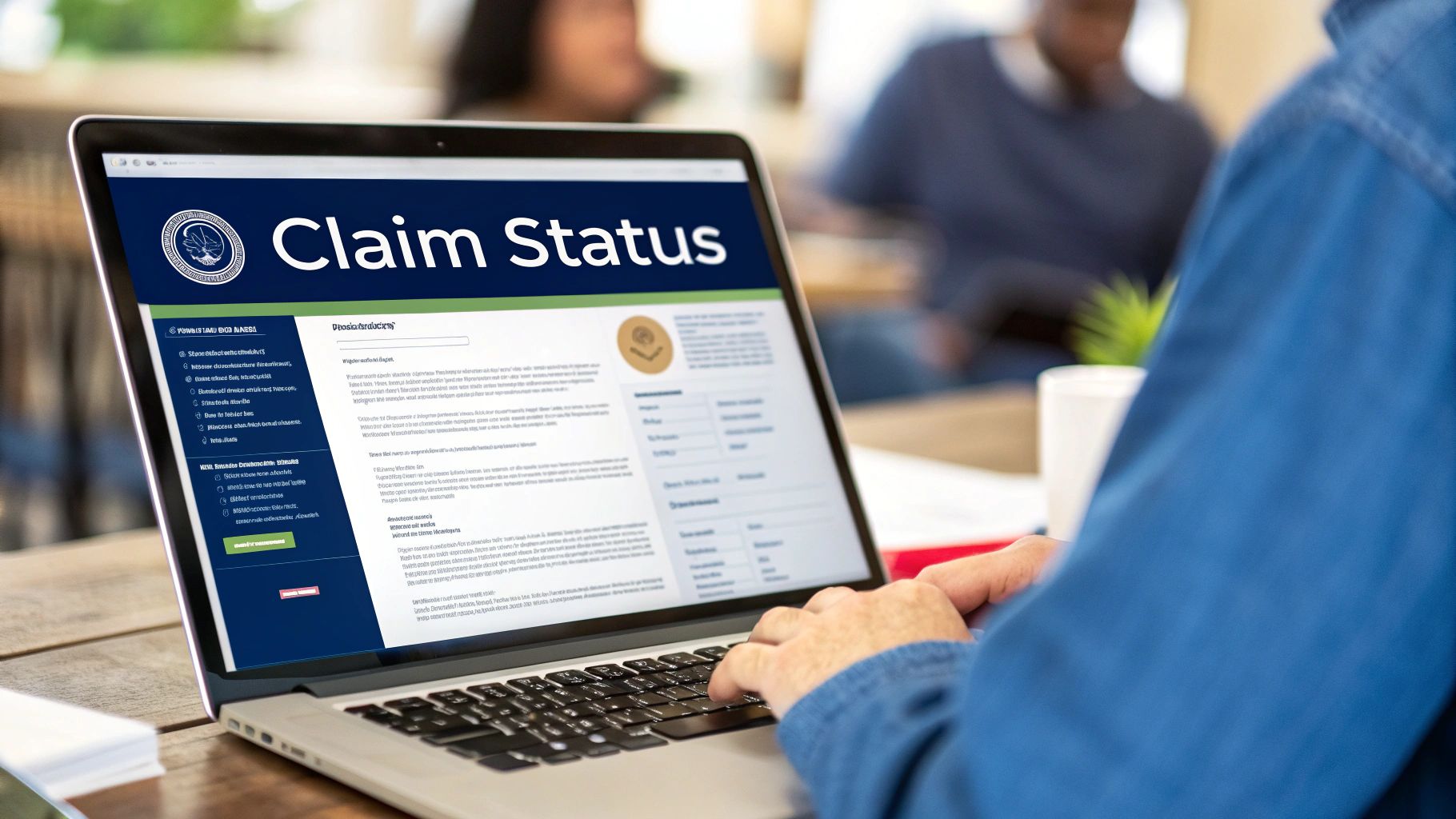
The most direct way to check your VA disability claim status is through VA.gov. This online portal provides a personal dashboard where you can view real-time updates about your claim's progress. After signing in, you'll see detailed information about each stage – for example, you can track when your claim moves from "Gathering of Evidence" to "Preparation for Decision."
The VA website also offers helpful resources like FAQs, educational videos, and contact information for support staff. These tools help you understand status updates and get answers to your questions. Think of VA.gov as your central hub for managing all aspects of your disability claim.
Exploring Alternative Methods: Phone and Mail
While the VA website is the main way to check claim status, you have other options if you prefer different communication methods. You can call the VA directly at 1-800-827-1000 to speak with a representative who can provide personalized updates and explain specific aspects of your claim's progress.
The VA also sends written notifications about major claim updates through regular mail. However, mail updates tend to be slower than online or phone options, so relying only on postal mail may not give you the most current information.
Troubleshooting Common Issues and Ensuring Secure Access
Sometimes veterans run into challenges accessing their claim status online or experience delays getting updates. Common problems include forgotten passwords, website technical issues, or confusing status messages. If you have trouble accessing your information, contact VA technical support for quick resolution.
Protecting your personal information is essential when checking your claim status online. Only use the official VA.gov website and avoid clicking suspicious links or sharing login details with unknown sources. Your VA.gov account contains sensitive data, so treat it with the same care as online banking.
Understanding Status Updates and Their Implications
Each claim status update has specific meaning for your timeline. For instance, "Evidence Gathering" means the VA is still collecting documentation to support your claim. "Preparation for Decision" indicates the review process is almost complete. By learning what different statuses mean, you can better anticipate next steps and set realistic expectations. Making regular status checks and understanding these updates helps you stay informed throughout the claims process.
Navigating Regional Processing Differences
Checking your VA disability claim status involves more than just accessing online portals – your location can actually affect how quickly your claim moves through the system. Each VA regional office handles claims differently, with varying processing times and procedures. This local variation means veterans in different areas may experience different timelines, even for similar types of claims.
Regional Office Workloads and Staffing
The main driver of these regional differences is claim volume. Offices in states with large veteran populations face much higher workloads. For instance, Texas had over 26,000 backlogged claims as of December 2024, far more than smaller states like Vermont or Rhode Island. Think of it like restaurants during peak hours – a small diner with limited staff will take longer to serve customers than a large restaurant with more workers. In the same way, VA offices with heavy caseloads and limited staff may process claims more slowly than less busy locations.
Understanding Regional Trends and Patterns
While the VA aims for consistent service nationwide, each regional office develops its own way of doing things. Some offices may process certain types of claims faster or handle documentation differently than others. For example, an office that has fully switched to digital processing might move claims along more quickly than one still using paper records. That's why it's important to check your claim status regularly – the average national processing time may not reflect how quickly your local office typically handles claims.
Strategies for Optimizing Your Claim Based on Your Region
Learning how your regional office typically handles claims can help you navigate the process more smoothly. Local veteran service organizations (VSOs) are excellent resources for this kind of insider knowledge. They work with regional offices daily and understand their specific procedures and priorities. A VSO might tell you, for instance, that your office processes fully developed claims more quickly, allowing you to prepare your documentation accordingly. They can also connect you with other local veterans who've been through the process. By tapping into these local resources and understanding your office's particular approach, you can better plan for and track your claim's progress. Most importantly, you'll know what to expect based on actual local experience rather than general averages.
Fast-Tracking Your VA Disability Claim
Actively managing your VA disability claim, rather than passively waiting for updates, can significantly speed up the process. While knowing how to check your claim status is important, taking specific actions to move your claim forward more quickly is even more valuable. Here are proven strategies that can help accelerate your path to receiving the benefits you've earned.
The Power of the Fully Developed Claim (FDC)
Submitting a Fully Developed Claim (FDC) is one of the most direct ways to speed up your claim processing. Think of an FDC as providing the VA with a complete package – all your supporting evidence, medical records, service records, and relevant documentation are submitted together right from the start. For example, if you're claiming a knee injury, include everything from your initial service records showing the injury occurred during active duty to your current medical treatment records and rehabilitation notes. By giving the VA everything they need upfront, they can process your claim much more efficiently without having to request additional information.
Strategic Condition Grouping: Less is More
Filing multiple conditions in a single claim might seem efficient, but it can actually slow down your case. Since the VA must evaluate each condition separately, submitting too many at once creates a longer review process. A more effective approach is to group related conditions together in separate claims. For instance, file one claim for physical injuries like knee and back problems, then submit a separate claim for any mental health conditions. This focused strategy allows VA reviewers to process each claim type more quickly and helps you track the progress of specific conditions more easily.
Preparing for Your C&P Exam: A Crucial Step
The Compensation and Pension (C&P) exam plays a vital role in determining your benefits, and being well-prepared can speed up the entire process. Before your exam, gather all your medical records and write down specific examples of how your conditions affect your daily activities. During the exam, clearly explain your symptoms, their connection to your service, and their impact on your work and personal life. Good preparation helps the examiner fully understand your situation, reducing the need for follow-up appointments or clarification requests that could delay your claim. When you provide clear, organized information during the C&P exam, you help ensure your claim moves forward smoothly toward a decision.
Surviving Peak Processing Periods
When it comes to VA disability claims, few things are more stressful than the waiting period – especially during high-volume processing times. Understanding what to expect and how to stay informed during these peak periods can help make the wait more manageable and keep your claim on track.
Managing Expectations During High-Volume Times
Peak processing periods often coincide with holidays and fiscal year ends, when the VA system experiences higher than normal claim volumes. During these busy times, the standard 140-day processing timeline may extend significantly. Being aware of these potential delays helps set realistic expectations from the start. Think of it like planning extra travel time during rush hour – building in buffer time leads to less frustration.
Proactive Communication and Follow-Up
While waiting is unavoidable, staying actively engaged with your claim is key. Make it a habit to check your claim status regularly through VA.gov. Set calendar reminders to follow up via phone or secure messaging if you haven't received updates within expected timeframes. Taking an active role shows you're engaged in the process and helps ensure your claim stays visible in the system.
Effective Communication Strategies
Good record-keeping is essential when interacting with VA representatives. Keep detailed notes of every conversation, including:
- Date and time
- Name of representative
- Information discussed
- Next steps or deadlines promised
This documentation becomes valuable if questions arise later. For instance, if you were told your claim would advance by a certain date, having those details on hand makes follow-up conversations more productive.
Utilizing Support Resources During Peak Periods
Veteran Service Organizations (VSOs) can be excellent allies during busy processing times. These experienced professionals can:
- Help navigate the claims system
- Review paperwork for completeness
- Advocate on your behalf when needed
Online veteran communities also provide helpful peer support and practical tips from others who have been through the process. Connecting with fellow veterans reminds you that you're not alone in this journey.
Remember – while peak periods may mean longer waits, staying informed and proactive helps keep your claim moving forward. A balanced approach of patience and persistence, combined with good documentation and support resources, gives you the best chance of success.
Building Your Support Network
Filing a VA disability claim involves more than just following procedures and submitting paperwork. Success often depends on having strong support to guide you through the complexities and challenges. By connecting with experienced advocates and fellow veterans, you can gain valuable knowledge while maintaining motivation throughout the process of checking your VA disability claim status.
Partnering With Veteran Service Organizations
Veteran Service Organizations (VSOs) provide essential assistance at no cost to veterans. Their trained staff can help with everything from filing initial paperwork to interpreting confusing status updates. When you're unsure how to gather medical records or what a specific claim status means, VSO representatives offer direct guidance based on their deep understanding of the VA system. They also serve as advocates, communicating with the VA on your behalf to ensure your claim gets proper consideration.
The Power of Peer Support Networks
Connecting with veterans who have been through the claims process themselves provides both practical advice and emotional support. In peer networks, you can share experiences, challenges, and strategies for navigating claim status checks and appeals. Like fellow hikers supporting each other on a difficult trail, veterans in these networks offer encouragement while sharing hard-won wisdom about what works. Their firsthand experience proves invaluable when interpreting claim updates or deciding how to handle setbacks.
Utilizing VA Support Services Effectively
The VA offers many resources beyond basic claim status checking. These include counseling services for managing claim-related stress and financial assistance programs while claims are pending. By exploring VA.gov thoroughly and working with a VSO, you can discover and access the full range of available support. Many veterans miss out on valuable services simply because they don't know these programs exist.
Leveraging Technological Resources
Technology makes it easier to stay connected with your support network and track your claim. Veterans' forums and social media groups provide spaces to share information and experiences. VSOs often have online portals where you can securely upload documents, message representatives, and check claim status updates. These digital tools help streamline communication and give you quick access to important claim information when you need it.
Building an effective support network requires actively engaging with available resources and maintaining connections with those who can help. By combining assistance from VSOs, fellow veterans, VA programs, and online tools, you create a comprehensive system for successfully navigating the claims process.
Are you ready to take control of your VA claim and secure the benefits you deserve? Homefront Group is here to help. Our team of experienced legal professionals specializes in VA claims, appeals, and other veteran-related legal matters. We provide personal support at every step, from checking your initial VA disability claim status to maximizing your benefits. Visit Homefront Group today to learn more and schedule a free consultation.