
UX in Website Design:
Understanding the Hidden Impact of Burn Pit Exposure
Military service members stationed in Iraq and Afghanistan faced an invisible enemy in the toxic smoke from burn pits used for waste disposal on bases. These pits burned everything from plastics and chemicals to medical and human waste, creating serious health risks that many veterans still deal with today.
How Burn Pit Exposure Occurs
Service members were exposed mainly by breathing in smoke and particles from the burning waste. The health impact depended largely on two factors: how close someone was to the burn pit and how long they were exposed. Even brief exposure could cause lasting health issues, while longer periods near the pits created much higher risks. Since military deployments often meant living and working close to these sites for months or years, many veterans experienced significant exposure.
The Dangerous Composition of Burn Pit Smoke
Unlike typical environmental hazards that involve just one or two pollutants, burn pit smoke contained a complex mix of harmful substances. The combination of materials created dangerous fumes filled with cancer-causing agents, chemicals that damage the lungs, and toxins that affect the brain and nervous system. This complex mixture makes burn pit exposure particularly concerning for long-term health.
Identifying and Documenting Potential Exposure
Veterans need to carefully review their service history to identify possible burn pit exposure. Key questions to consider: Were you stationed near a burn pit? Did your duties involve waste disposal or require working around these areas? Recording specific details about dates, locations, and your experiences with burn pits is essential for both medical care and benefits claims.
Research shows clear links between burn pit exposure and health problems. For example, studies found that for every 100 days of exposure, veterans have a 1% higher risk of asthma and 4% higher risk of COPD. In one major study, 86% of participants had been exposed to burn pits, with an average exposure time of 244 days. Learn more in this detailed report: VA Study Documents Health Risks for Burn Pit Exposures. These findings highlight why it's crucial to take even mild breathing problems seriously and get medical help promptly.
Recognizing Critical Respiratory Warning Signs

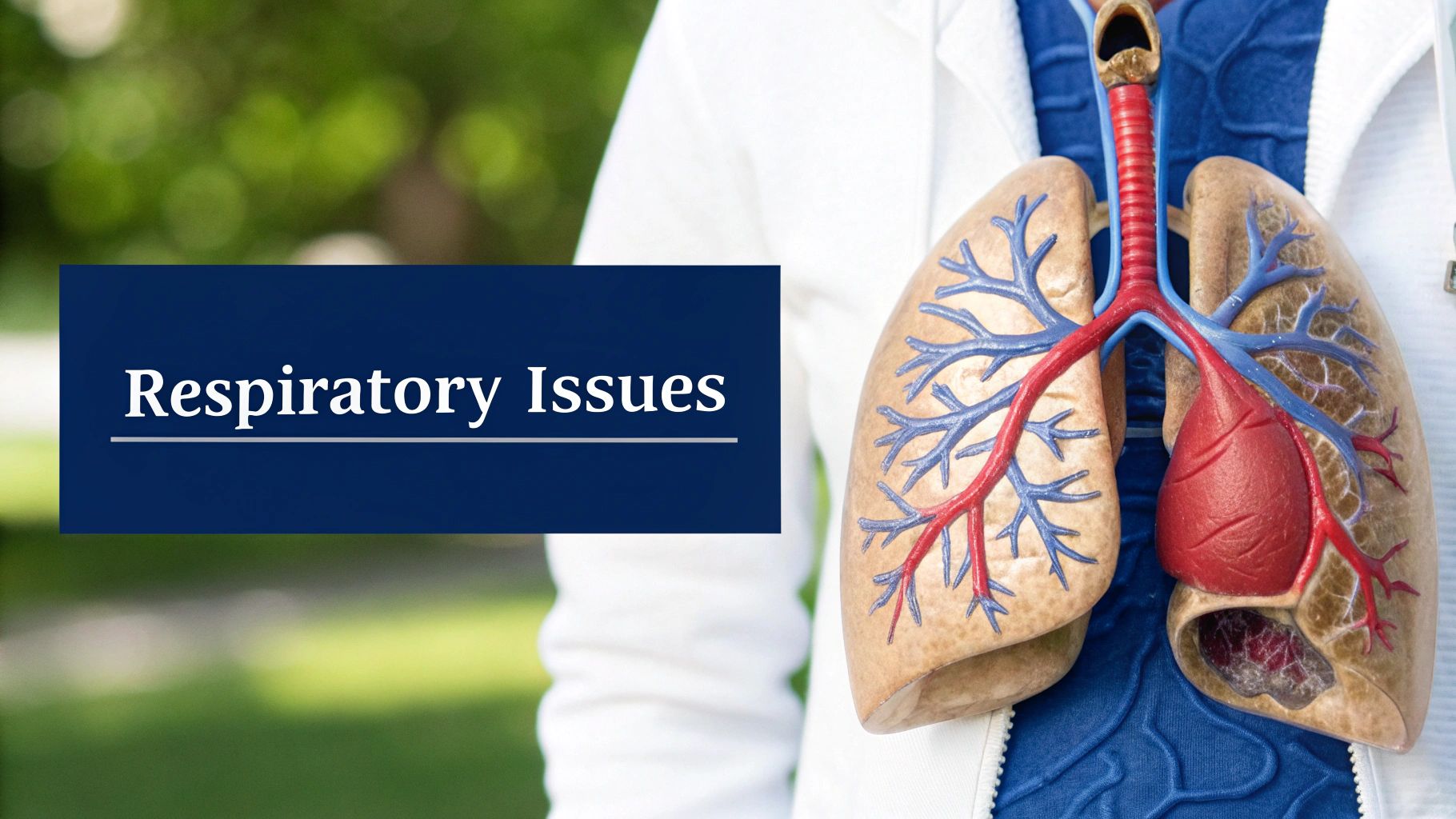
Veterans exposed to burn pits need to pay close attention to early breathing problems that could signal serious health issues. While initial symptoms may seem mild, conditions like asthma, COPD, and lung diseases can develop if warning signs are ignored. Quick action when symptoms first appear helps prevent major complications.
Early Signs and Symptom Monitoring
Common symptoms after burn pit exposure include:
- Persistent coughing that won't go away
- Getting out of breath during normal activities
- Feeling unusually tired
- Pain or tightness in the chest
Daily tasks may become harder over time. For example, veterans often find they can't exercise as long as before or wake up at night struggling to breathe. Keeping track of these changes helps doctors provide better care.
Distinguishing Burn Pit-Related Conditions
Not all breathing problems come from burn pits. The key difference is that burn pit symptoms tend to get worse more quickly and don't improve with standard treatments. Veterans have reported everything from breathing difficulties to serious lung conditions like pulmonary fibrosis. Studies of Gulf War and Post-9/11 veterans show these health issues are more common in those exposed to burn pits. You can read more details about the research here.
Modern Diagnostic Approaches
The VA uses several methods to check for burn pit-related problems:
- Pulmonary Function Tests: Check how well lungs work
- Chest Imaging: Look for visible lung damage using X-rays or CT scans
- Biopsies: Take small tissue samples if other tests show problems
These tools help doctors tell the difference between regular breathing issues and those caused by burn pits.
When to Seek Immediate Medical Help
Veterans should get emergency care if they have severe trouble breathing, sudden chest pain, or extreme fatigue. Clear communication with doctors about symptoms leads to better diagnosis and treatment. VA healthcare providers understand burn pit exposure and can offer targeted help for these unique health challenges.
Finding problems early makes treatment work better and helps build evidence for VA benefits claims. Veterans can get more support and information from organizations like Homefront Group that focus on helping those affected by toxic exposures.
Navigating Neurological and Mental Health Challenges

Beyond breathing problems, burn pit exposure often affects veterans' brain function and mental health. The connection between toxic exposure and neurological issues is crucial to understand for veterans seeking proper medical care.
Understanding the Neurological Impact
When veterans breathe in burn pit smoke, harmful chemicals enter their bloodstream and can damage the brain and nervous system. Many veterans experience memory problems and difficulty concentrating – similar to the "brain fog" that COVID-19 patients report. Common symptoms include headaches, dizziness, nausea, and problems with balance and coordination.
Research shows that burn pit exposure is linked to several concerning neurological effects. According to recent studies, veterans report ongoing issues like fatigue, gait problems, and memory deficits. These symptoms stem from toxic compounds in burn pit smoke, including carbon monoxide and hydrogen cyanide. Long-term exposure can lead to serious conditions like chronic headaches and brain cancer. Learn more about these findings in this recent neurological study.
The Mental Health Connection
The physical toll of burn pit exposure often leads to mental health challenges. Dealing with constant headaches and cognitive issues can cause deep frustration and anxiety in veterans. Many find that managing their ongoing health problems leads to depression and feelings of isolation. Sleep problems, nightmares, and increased irritability are also common, creating a cycle that affects both physical and emotional wellbeing.
Managing Neurological and Mental Health Symptoms
Veterans can take several steps to handle these challenges:
- Regular cognitive exercises like puzzles to maintain mental sharpness
- Physical activity and proper nutrition to support brain health
- Professional counseling and therapy to develop coping strategies
- Joining support groups to connect with others facing similar struggles
Working with Healthcare Providers
Clear communication with doctors is key for effective treatment. Veterans should:
- Keep detailed records of both physical and mental symptoms
- Share how symptoms affect daily life and relationships
- Ask questions about treatment options and side effects
- Schedule regular check-ups to monitor progress
This comprehensive approach helps healthcare providers develop treatment plans that address both the neurological and mental health aspects of burn pit exposure. Early intervention and consistent monitoring give veterans the best chance at managing their symptoms effectively.
Securing Your Healthcare Rights and Benefits

Getting the right healthcare after burn pit exposure can be complex. This guide will help you understand your benefits and how to access the care you need. Knowledge of your rights and available resources is essential for receiving proper treatment.
Understanding the PACT Act and Your Eligibility
The Sergeant First Class Heath Robinson Honoring our Promise to Address Comprehensive Toxics (PACT) Act of 2022 was a major step forward for veterans affected by burn pits. The law expanded coverage to include more health conditions and made it easier to prove service connection through presumptive conditions.
Your eligibility depends on where and when you served. If you were stationed in Iraq, Afghanistan, or other designated areas during specific periods, you may qualify for benefits. Having a diagnosed condition that's linked to burn pit exposure, such as respiratory problems or certain cancers, is also key to eligibility.
Recent research continues to reveal the long-term health effects of burn pit exposure on veterans. The PACT Act requires ongoing VA studies to better understand these impacts and ensure veterans receive proper care. Learn more about the PACT Act's impact on veteran health. Organizations like the VFW keep pushing for more research and stronger protections.
Steps to Filing a Claim
To submit a successful claim, you'll need to:
- Gather your service records: Your DD-214 and deployment documents prove you served in qualifying locations
- Compile medical evidence: Get clear documentation of your diagnosis and medical history from your healthcare providers
- Complete the required VA forms: Take time to fill out all paperwork accurately and completely
- Submit your claim: File online, by mail, or get help from a Veteran Service Officer
Working with Healthcare Providers and Gathering Evidence
Good medical documentation makes a big difference in your claim. Talk openly with your doctors about your symptoms and exposure history. Regular checkups and detailed medical records help build your case over time.
A nexus letter from your doctor can strengthen your claim significantly. This document explains how your current health problems likely stem from burn pit exposure during service. The letter should clearly state that your condition is "at least as likely as not" caused by your service-related exposure.
Finding Support and Resources
You don't have to handle this process alone. Veterans' organizations like the VFW and Homefront Group offer valuable guidance. These groups can help you understand the claims process, connect you with experts, and advocate for your rights.
Remember that getting proper healthcare is your right as a veteran. Stay informed about your benefits, keep good records, and don't hesitate to ask for help. With the right approach and support, you can get the care you need through the VA system.
Building Your Long-Term Health Management Plan
Managing symptoms from burn pit exposure requires an organized approach combining careful tracking, daily self-care, and close work with healthcare providers. A well-designed plan helps you monitor changes, adjust treatments, and maintain the best possible quality of life.
Creating a Personalized Health Tracking System
Regular monitoring of your health helps identify important patterns and see how well treatments are working. Here's how to build an effective tracking system:
- Keep a Daily Log: Write down when symptoms occur and how severe they are, including details about breathing issues, energy levels, and headaches
- Use Digital Tools: Health tracking apps can help spot trends and connections in your symptoms over time
- Schedule Regular Reviews: Meet with your doctor every few months to go over your tracking data and adjust care as needed
Making Daily Health Choices That Help
Small daily actions can make a big difference in managing burn pit exposure effects. Focus on these key areas:
- Get Regular Check-Ups: Stay on schedule with breathing tests, physical exams and other important health screenings
- Support Your Health: Eat a balanced diet, exercise appropriately, and get enough rest to help your body cope with symptoms
Working Effectively With Your Medical Team
Building strong relationships with your healthcare providers ensures you get care that fits your specific needs. Important steps include:
- Share Updates Openly: Tell your doctors about any new or changing symptoms right away
- Keep Good Records: Save all medical reports, test results and treatment notes in one place
- Ask Questions: Learn about new research and treatment options you can discuss with your care team
Tools to Help Manage Daily Symptoms
The right tools can help you handle symptoms better day-to-day:
| Tool Type | Examples | Benefits |
|---|---|---|
| Health Apps | MyHealthVet, Symptoms.io | Track symptoms and medication easily |
| Mindfulness Practices | Meditation, Yoga | Reduce stress and improve mental clarity |
| Breathing Exercises | Pranayama, Diaphragmatic | Enhance lung function and breathing |
A complete health management plan addresses both immediate symptoms and long-term wellness. Stay informed about new treatments and work them into your care routine when appropriate. For help getting VA benefits related to burn pit exposure, contact the Homefront Group for expert guidance on securing the support you need.
Connecting with Your Support Community
Finding others who understand your burn pit exposure experiences can make a world of difference in your recovery journey. Having a strong support network provides comfort, understanding, and practical help as you manage your health.
The Power of Shared Experience
Dealing with burn pit exposure symptoms can feel lonely and overwhelming. Many veterans find relief in talking with others who truly get what they're going through – whether it's breathing problems, neurological issues, or mental health challenges. Knowing you're not facing these difficulties alone can lift a huge weight off your shoulders.
Exploring Support Resources
There are several ways to connect with fellow veterans and supporters:
-
Local Veteran Groups: Organizations like the VFW and American Legion host regular meetings and events where you can meet others in person who understand burn pit exposure firsthand.
-
Online Communities: Social media groups and forums let you connect with veterans nationwide to share experiences and encouragement. This is especially helpful if you live in a rural area or have mobility limitations.
-
VA Support Programs: The Department of Veterans Affairs offers specialized programs for veterans affected by burn pits, including healthcare teams, counseling, and peer support groups.
Building a Strong Support Network
Getting involved with support communities provides key benefits:
-
Mental Health Support: Sharing your story helps reduce stress, anxiety and isolation while building a more positive mindset
-
Real-World Tips: Fellow veterans often share invaluable advice about managing symptoms and navigating VA benefits based on their own experiences
-
Joint Advocacy: Coming together as a community strengthens efforts to improve research, healthcare access, and benefits for burn pit exposure
Connecting With Others
Even small steps to engage with others facing similar challenges can create positive ripple effects. Your participation not only helps you but also shows other veterans they're not alone. Every connection made strengthens the overall support network.
Finding Reputable Support Organizations and Participating in Advocacy
Look for established organizations with strong track records of helping veterans. Consider getting involved in advocacy work to raise awareness about burn pit exposure. Your voice and experience can help drive positive changes for the entire veteran community.
Remember that seeking support is a sign of strength, not weakness. The connections you make can provide both practical help and emotional comfort along your health journey. For expert guidance on VA benefits and veteran healthcare, reach out to the Homefront Group. They offer free consultations to help you access the resources you deserve.