
Navigating Your Military-to-Civilian Transition Journey
Transitioning from military to civilian life is a significant change. This multifaceted process involves much more than simply exchanging a uniform for business attire. It requires thoughtful planning and a realistic understanding of the potential challenges and opportunities. Each individual's journey is unique, with varying timelines and experiences.
Understanding the Transition Process
The transition process can be likened to navigating unfamiliar terrain. After years spent mastering one environment, you're entering another with a different set of rules, language, and customs. Adaptation is crucial.
The structured hierarchy of the military, for example, contrasts sharply with the often more fluid structures found in civilian organizations. The language used in the military may not translate directly to the civilian workplace. This can present communication challenges.
However, transitioning isn't solely about adapting to a new environment. It's also about recognizing the valuable skills you bring. Your military experience has equipped you with leadership abilities, discipline, and problem-solving skills – attributes highly valued in the civilian world. Learning how to translate these skills into civilian terms is essential for a successful transition.
This transition is a complex process that has evolved significantly, particularly in the post-9/11 era. Researchers at Penn State's Clearinghouse for Military Family Readiness have developed a framework to assess the quality of military-to-civilian transitions (MTCTs) among post-9/11 veterans. This framework evaluates transitions across seven key life domains: employment, education, financial, legal, social, mental health, and physical health.
For example, in the financial domain, 40% of veterans reported successful transitions three months after leaving service, rising to 48% at 36 months. Conversely, those experiencing financial difficulties decreased from 23% to 12% over the same period. This data illustrates the varying degrees of success veterans experience in different aspects of their lives during the transition. Learn more about the quality of civilian transitions for post-9/11 veterans.
Setting Realistic Expectations
Setting realistic expectations is paramount for a successful transition. There will be highs and lows, periods of rapid progress and moments of stagnation. This is entirely normal. Just as it takes time to acclimate to a new climate, adjusting to civilian life requires time.
Some veterans adapt quickly, while others require a longer period. Patience and acknowledging small victories are essential. Focusing on your strengths and seeking support when necessary are crucial for navigating this journey successfully. Understanding this allows veterans to approach the transition with a balanced perspective and minimizes discouragement.
Overcoming the Hidden Challenges of Civilian Reintegration

Transitioning from military to civilian life presents a unique set of challenges. These go far beyond the practicalities of securing employment and housing. It's a profound shift in identity, requiring veterans to redefine themselves outside their military roles. This can be both an exciting and a disorienting experience.
The Emotional Terrain of Transition
Military life offers a structured environment with a strong sense of community and purpose. Leaving this structure can lead to feelings of loss, uncertainty, and even isolation. This is especially true for combat veterans, who often face a steeper adjustment curve.
The camaraderie and shared experiences forged in the military are hard to replicate in civilian life. Veterans often miss the deep bonds and inherent understanding they shared within their unit. Building new connections takes effort and patience. It can feel like navigating a completely new social landscape.
For example, a veteran accustomed to the direct communication style common in the military may find civilian interactions confusing. Explaining military experiences to civilians can also be challenging, leading to feelings of disconnect and difficulty relating to new social circles.
Studies show that roughly half of post-9/11 veterans experience difficulties readjusting. 32% find it somewhat difficult, and 16% find it very difficult. For veterans with combat experience, this number jumps to 46%. Furthermore, 66% of veterans with post-traumatic stress (PTS) reported difficulties with their transition. These statistics highlight the need for ongoing support and understanding for veterans. Find more detailed statistics here.
Rebuilding Identity and Purpose
One of the key challenges of civilian reintegration is rebuilding a sense of identity and purpose. In the military, identity is often tied to rank, role, and unit. In civilian life, veterans must forge a new identity, integrating their military experiences with new roles and goals.
This involves exploring new interests, developing new skills, and finding ways to contribute to their communities. Some veterans find this transition relatively straightforward, leveraging their military skills for civilian careers. Others may need more time and exploration to find their civilian path.
This journey of self-discovery is a crucial aspect of transitioning from military to civilian life. It's not about forgetting the past, but integrating it into a new, evolving sense of self. Just as adaptability is essential in military operations, it’s equally crucial for navigating the transition to civilian life. Recognizing this is a major step toward successfully overcoming the challenges of reintegration.
Translating Your Military Value in the Civilian Workplace
Transitioning from military service to a civilian career requires effectively communicating the valuable skills acquired during your service. This often involves learning to translate military terminology into language easily understood by civilian hiring managers. This section explores how to effectively showcase your unique skills and experience to potential employers.
Deciphering the Language Gap
Many veterans find it challenging to connect their military accomplishments with civilian job requirements. What's considered a significant achievement in the military can often sound like jargon to a civilian recruiter. For example, describing a mission to secure a high-value target might not resonate as strongly as highlighting the project management and leadership skills used to coordinate the complex operation under pressure.
This is where the translation process becomes crucial. Instead of using military acronyms and technical terms, concentrate on the underlying skills and competencies demonstrated during your service. Quantifying achievements is key. Instead of simply stating "Managed logistics," try "Streamlined logistical processes, resulting in a 15% reduction in delivery times and a 10% cost savings." Quantifiable results make a powerful impact.
The shift to civilian life presents employment challenges for many veterans and their families. While the veteran unemployment rate was a relatively low 4.4% in 2021, the unemployment rate for military spouses reached 21%. Furthermore, only about one-quarter of veterans secure civilian employment before leaving the military, with over half beginning their job search after separation. This highlights the critical need for robust career transition assistance. Learn more about veteran employment challenges.
Networking Strategies for Veterans
Networking is essential for a successful civilian job search. While connecting with other veterans is valuable, broadening your network to include civilian contacts is equally important. Consider attending industry events, joining relevant professional organizations, or utilizing platforms like LinkedIn to connect with individuals in your target field.
Here are a few networking tips to help you get started:
- Target specific industries: Focus networking efforts on industries aligning with your skills and career goals.
- Highlight transferable skills: Clearly articulate how your military experience translates into valuable assets in civilian roles.
- Practice your "elevator pitch": Prepare a concise and compelling summary of your background and career aspirations.
- Follow up: Stay in touch with the people you meet and nurture those professional relationships.
To help veterans further understand the differences between military and civilian workplace cultures, consider the following comparison:
Military vs. Civilian Workplace Comparison
This table highlights key differences between military and civilian workplace environments to help veterans understand and adapt to cultural shifts.
| Aspect | Military Environment | Civilian Environment | Adaptation Strategies |
|---|---|---|---|
| Communication Style | Direct, hierarchical | More collaborative, less formal | Practice active listening and adapt communication style to the situation. |
| Dress Code | Uniform, standardized | Varies widely, often business casual | Research company dress code and invest in appropriate attire. |
| Leadership Structure | Clearly defined rank structure | More fluid, often matrixed | Understand and adapt to different leadership styles and organizational structures. |
| Work Schedule | Often unpredictable, long hours | Typically more structured, regular hours | Adjust expectations and manage time effectively in a more flexible environment. |
| Feedback | Direct, often performance-based | Can be more nuanced, focused on development | Be open to feedback and actively seek opportunities for professional growth. |
This table summarizes some key differences veterans may encounter as they transition to the civilian workforce. Adapting to these differences is essential for successfully integrating into a new professional environment.
Acing the Civilian Interview
The interview process is another opportunity to effectively translate your military background for civilian hiring managers. Prepare to answer common interview questions by providing concrete examples of how you led teams, managed projects, and achieved results within the military, emphasizing the transferable skills you developed.
Proactively address any potential employer concerns. Hiring managers might question your ability to adapt to a less structured environment or your lack of specific industry experience. Directly addressing these concerns and demonstrating your adaptability and willingness to learn will reassure employers and significantly increase your chances of securing a civilian job that aligns with your skills and values. This preparation sets the stage for a smooth transition to civilian life, where your military experience becomes a powerful asset in your new career. It also helps you identify civilian career paths that are a strong match for your existing skills and personal aspirations. Understanding the nuances of civilian interview etiquette is also crucial for a successful transition.
Mastering Your Financial Transition Before the Paychecks Change
Leaving the military and transitioning to civilian life presents many challenges, not least of which is managing your finances. The structured financial world of military service, with its consistent paychecks and comprehensive benefits, is quite different from the complexities of civilian finances. Many veterans experience a significant shift in income, making careful planning essential. This section will outline key strategies for navigating this financial change.
Understanding The Financial Landscape Shift
The military provides a reliable structure: a consistent paycheck, housing allowances, and various other benefits. In the civilian world, this predictable financial support system changes. You become responsible for securing your own benefits and often face fluctuating income. This difference can create a significant budget gap if not addressed proactively.
For example, housing allowances are replaced by mortgages or rent, requiring a shift in budgeting and expense management. Healthcare costs also change, moving from the comprehensive military system to private insurance or the VA. Understanding your new coverage options and potential out-of-pocket expenses is crucial.
Successful veterans anticipate this shift and prepare accordingly. They build detailed budgets that reflect their new financial reality by carefully tracking expenses, prioritizing needs, and establishing an emergency fund to handle unexpected costs. This foresight ensures a more secure transition and minimizes potential financial pitfalls.
Maximizing Transition Benefits
Several resources can help veterans bridge the financial gap between military and civilian life. The GI Bill, for instance, provides educational funding, assisting veterans in gaining valuable skills and credentials for civilian careers. Understanding how to maximize these benefits is key.
Factors like living expenses, tuition costs, and program lengths influence the GI Bill's impact on your finances. Preparing for job interviews is also vital. Knowing the right questions to ask before an interview can significantly impact your future employment.
VA loans offer another significant advantage, enabling veterans to purchase homes with favorable terms. However, careful consideration is necessary. Understanding interest rates, closing costs, and the long-term implications of homeownership are essential for responsible financial planning. Utilizing these benefits wisely can ease the financial burden of transition.
Building a Sustainable Financial Plan
Creating a realistic timeline for financial stabilization is another important step. Anticipate a period of adjustment and plan accordingly. This might involve setting short-term and long-term financial goals.
Short-term goals could include securing initial employment and establishing a basic budget. Long-term goals could be paying off student loans or saving for retirement. A clear timeline helps you stay focused and motivated.
When evaluating civilian job offers, look beyond the base salary. Benefits packages are a crucial part of your overall compensation. Healthcare coverage, retirement plans, and paid time off contribute significantly to your financial well-being. Overlooking these factors and focusing solely on salary can lead to unexpected financial strain.
By thoroughly evaluating all aspects of a job offer, veterans can make informed decisions that support their long-term financial stability. This proactive approach is the foundation for a secure and prosperous civilian life.
Rebuilding Your Tribe in the Civilian World
Transitioning from military to civilian life often involves a significant shift in social connections. The close-knit camaraderie experienced in the military can be difficult to replicate, leading to feelings of isolation and a sense of losing one's "tribe." This section explores how veterans can rebuild their social networks and find a sense of belonging after service.
Navigating Civilian Social Environments
The structured social hierarchy and shared experiences inherent in military life are typically absent in civilian settings. This difference can make social interactions feel confusing and unfamiliar. The direct communication style common in the military, for example, might be perceived differently in civilian contexts. Furthermore, explaining military experiences to civilians can be challenging and may lead to feelings of being misunderstood.
Understanding the nuances of civilian social dynamics is critical during the transition. Learning to navigate these new environments involves active listening, adapting your communication style, and being open to new perspectives. Building meaningful connections takes time and effort.
Maintaining Military Connections While Building New Ones
Many veterans find it beneficial to maintain connections within the military community while simultaneously building new civilian relationships. Staying in touch with former comrades provides a sense of continuity and shared understanding, which can be invaluable during the transition. Veteran organizations, such as the American Legion or the Veterans of Foreign Wars (VFW), offer structured environments where veterans can reconnect with their military roots and access valuable resources.
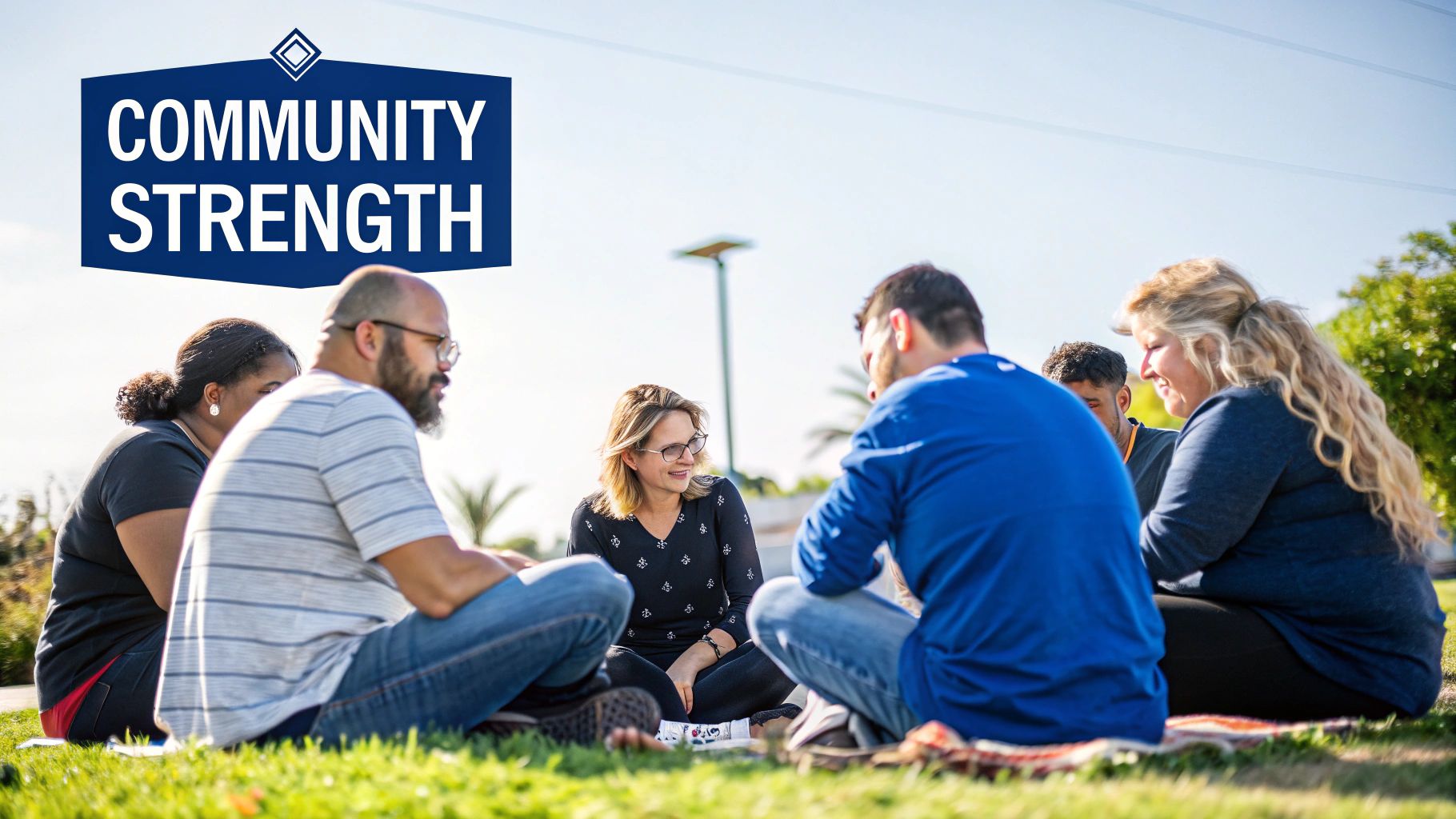
However, solely relying on military connections can limit personal and professional growth in the civilian sphere. Balancing these existing bonds with new civilian friendships creates a more well-rounded support system and aids integration into civilian life. Joining community groups or professional organizations provides opportunities to connect with people who share similar interests and career goals.
Supporting Family Adjustments
Transitioning from military to civilian life also impacts family dynamics. Family members may struggle to adjust to the veteran's new civilian identity and lifestyle changes. Open communication and mutual understanding are crucial during this period.
Successfully transitioning veterans often involve their families in the process, explaining their challenges and seeking support when needed. This collaborative approach helps families adapt together and strengthens family bonds. Finding support groups specifically for military families, like Blue Star Families, allows spouses and children to connect with others experiencing similar changes. Just as veterans rebuild their social circles, families navigate this new landscape and build their own support networks.
Finding Purpose and Belonging Through Community Involvement
Many veterans find that community activities help replace the sense of purpose and belonging previously provided by military service. Volunteering, joining local organizations, or participating in community events creates opportunities for meaningful social interaction and a sense of contributing to something larger. These activities also allow veterans to share their skills and experience with the civilian community.
To better understand the varied experiences of veterans during this transition, let's examine some statistics:
This table shows the success rate veterans experience across different aspects of civilian life after leaving the military.
Transition Success Rates by Life Domain
Statistical breakdown showing how veterans experience varying degrees of transition success across different aspects of civilian life. This data is for illustrative purposes and does not represent actual statistical findings.
| Life Domain | Successful Transition at 3 Months | Successful Transition at 36 Months | Improvement Rate |
|---|---|---|---|
| Career | 60% | 80% | 20% |
| Family Life | 75% | 85% | 10% |
| Social Life | 50% | 70% | 20% |
| Financial Stability | 65% | 75% | 10% |
| Mental Well-being | 55% | 65% | 10% |
As the table suggests, transition success increases over time across various domains. While initial adjustment can be challenging, especially in areas like social life and mental well-being, long-term outcomes tend to improve. Finding the right balance between maintaining military ties and building new civilian relationships is an ongoing process that significantly impacts long-term well-being. Remember that building a civilian support system takes time and conscious effort.
Safeguarding Your Mental and Physical Wellbeing Post-Service
Transitioning from military to civilian life is a major adjustment. Prioritizing your mental and physical wellbeing is essential for a successful transition. While employment and finances are important, neglecting your health can negatively impact your overall progress. This section explores practical strategies for maintaining both your physical and mental health as you navigate this significant life change.
Adapting to Civilian Healthcare
One of the first challenges veterans face is navigating the change from military healthcare to civilian systems. The comprehensive and readily available healthcare provided during service is often quite different from the more complex and sometimes fragmented civilian healthcare landscape. This can be particularly challenging for veterans with pre-existing conditions requiring ongoing care.
Understanding the VA healthcare system and its eligibility requirements is crucial. Even if you have private insurance, the VA can provide supplemental services for specific needs. Gathering your medical records and establishing a relationship with civilian healthcare providers early in the transition process is important for ensuring continuity of care. This proactive approach prevents gaps in treatment and makes the transition to civilian care smoother. For veterans injured during their service, understanding how to file VA disability claims is also important for accessing deserved benefits.
Maintaining Physical Fitness Beyond the Military
Maintaining physical fitness after leaving the structured environment of the military can also be a challenge. The regimented fitness routines and easy access to facilities often disappear in civilian life. Successful veterans adapt their military discipline to civilian realities by establishing sustainable fitness routines.
This could involve joining a local gym, creating a home workout plan, or participating in community sports leagues. Regular physical activity benefits not only physical health, but also significantly contributes to mental wellbeing and stress management during the transition. It provides structure, routine, and a healthy outlet for stress, contributing to a more balanced and fulfilling civilian lifestyle.
Managing Transition Stress
Transition stress is different from the stress experienced during deployment or combat. While both can be intense, transition stress often involves a more complex range of emotions. This can include uncertainty about the future, anxiety about finding employment, and difficulty adjusting to civilian social environments. Recognizing the warning signs of transition stress is vital.
These signs can include increased irritability, sleep disturbances, difficulty concentrating, and feelings of isolation. It's important to differentiate between normal adjustment challenges and conditions that require professional support. Veterans experiencing prolonged or severe symptoms should seek help from mental health professionals specializing in veteran care. Understanding the difference helps veterans access appropriate resources and ensures they receive the support they need for a successful transition.
Building Psychological Resilience
Developing psychological resilience is key to navigating the significant life changes involved in transitioning from military to civilian life. Successful veterans use evidence-based practices to maintain their mental wellness. These can include mindfulness techniques, stress management strategies, and seeking support from peer networks or mental health professionals.
Openly discussing transition challenges with family and friends is also helpful. This creates a supportive environment and helps loved ones understand the emotional adjustments veterans experience. It's important to remember that seeking help is a sign of strength, not weakness. Many veterans find comfort and practical advice by connecting with others who have successfully navigated the transition. These connections offer valuable insights and a sense of community, making the adjustment to civilian life smoother. The 2023 National Veteran Suicide Prevention Annual Report highlights the increased risk of suicide in the first year after separation, with a rate of 48.9 per 100,000. This underscores the importance of prioritizing mental health during this period. Understanding available resources and seeking help when needed is crucial for a healthy and successful transition.
Building Your Personal Transition Support Network
Transitioning from military to civilian life is a significant change. It's a multifaceted journey that demands more than just individual effort. A robust support network is crucial for navigating this shift. This involves assembling a team of individuals and organizations committed to your successful reintegration. This section explores the available resources and how to use them strategically.
Mapping the Ecosystem of Transition Support
The support ecosystem for transitioning veterans is extensive. It includes government programs, Veteran Service Organizations (VSOs), peer networks, and private initiatives. Each resource offers unique advantages, from financial aid and career counseling to mental wellness services and family support.
The Department of Veterans Affairs (VA) offers several programs, including healthcare, educational benefits like the GI Bill, and home loan guarantees. VSOs such as the American Legion and Veterans of Foreign Wars (VFW) provide camaraderie, advocacy, and help with navigating VA benefits. Many private organizations also focus on specific transition aspects, such as employment, financial planning, and mental health. Understanding these resources is the first step in building a personalized support system.
Identifying Your Specific Needs and Goals
A common mistake veterans make is adopting a one-size-fits-all approach to transition support. Every veteran has unique needs and goals. What works for one may not work for another. A veteran starting a business has different requirements than someone pursuing higher education or entering the skilled trades.
Identifying your individual priorities is essential. This might involve self-assessments, informational interviews with professionals in your target field, or career exploration workshops. With a clear understanding of your objectives, you can identify resources that align with your specific aims, focusing your energy and maximizing the effectiveness of available programs.
Timing and Strategic Application for Transition Programs
Many veterans underestimate the importance of timing when applying for programs. Some have specific eligibility periods or require applications well before separation. The Transition Assistance Program (TAP), for example, is mandatory for separating service members and should be started early. Securing life insurance is also vital as you transition. Explore options such as military life insurance.
Understanding deadlines and application procedures is crucial to avoid missing opportunities. A proactive approach, perhaps using a timeline or checklist, can streamline your transition by ensuring you have the resources you need when you need them.
Building Your Personal Transition Team
Visualize your support network as a personal team, each member with a specific role. This team might comprise a transition counselor, a financial advisor, a mentor, and VSO representatives. A diverse team provides access to a broader range of expertise. Just as a successful military operation requires coordination, a successful transition necessitates the combined efforts of your network.
Regular communication with your team is key. Sharing your goals, progress, and challenges allows them to offer tailored advice. The first year after separation can be especially challenging. The 2023 National Veteran Suicide Prevention Annual Report indicates a suicide rate of 48.9 per 100,000 within this timeframe, emphasizing the vital role of support.
Ongoing Support Beyond the Immediate Transition
While the immediate post-separation period requires focused support, building a network for ongoing assistance is equally crucial. Transition is an ongoing process. Many veterans continue to face challenges long after leaving the military.
A sustainable support system includes resources that offer long-term benefits, such as career mentorship programs, mental health services, and financial planning assistance. These resources provide stability as you navigate civilian life. Building lasting connections within your field and community fosters a sense of belonging and facilitates long-term success.
Are you ready to take control of your transition? Homefront Group offers legal and professional services for veterans. We provide free consultations and personalized assistance for VA benefits, compensation claims, estate planning, and more. Take our free 3-minute quiz to discover your qualifying benefits and begin your personalized transition plan today.