

Understanding the VA Rating System for Radiculopathy
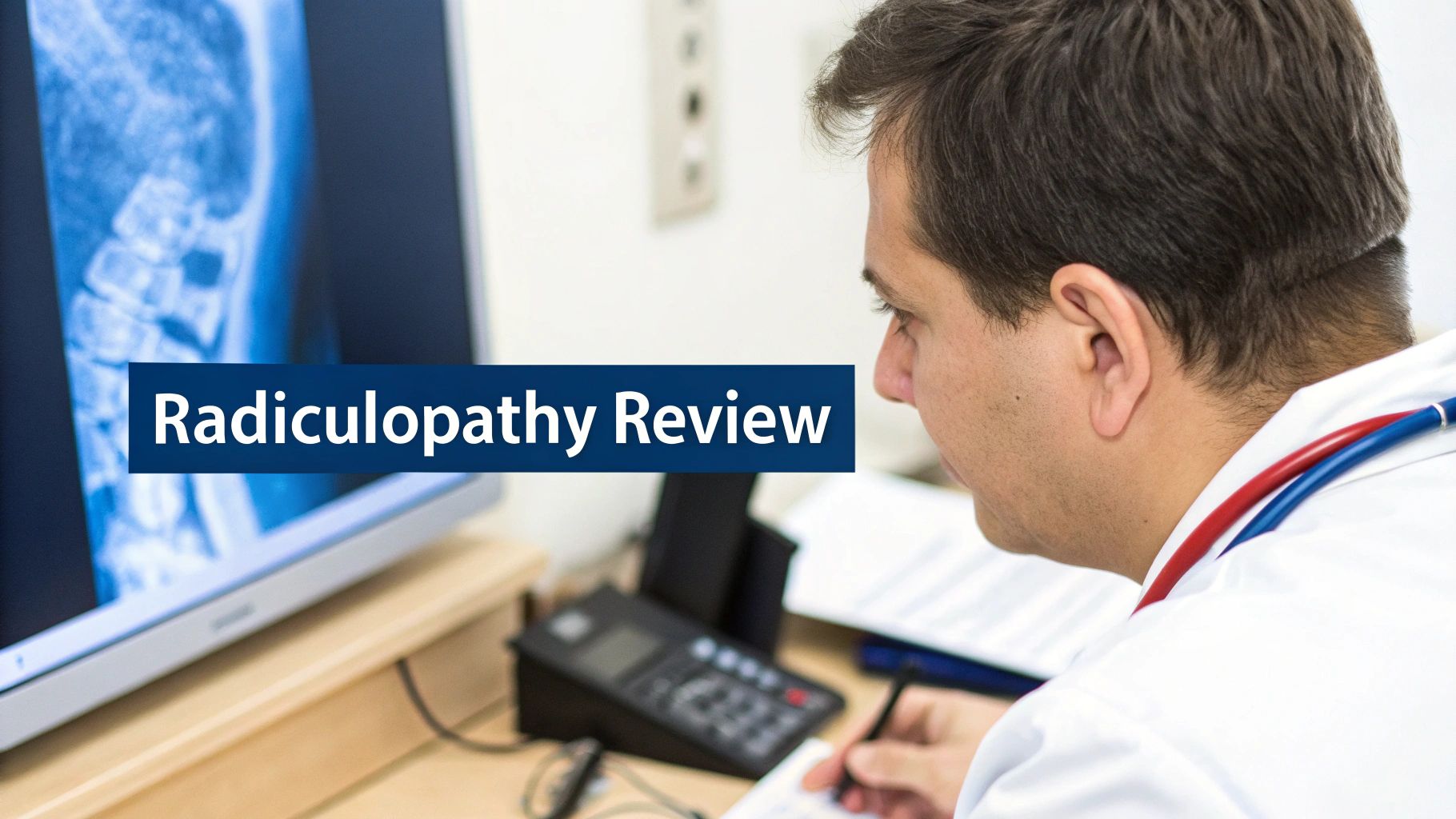
Veterans seeking disability benefits need to understand how the Department of Veterans Affairs (VA) evaluates and rates radiculopathy. The VA uses specific criteria to assess the condition's severity and determine appropriate compensation levels. A clear grasp of this rating system helps veterans navigate the claims process effectively.
How the VA Rates Radiculopathy
The VA looks at several aspects when rating radiculopathy in veterans. They assess how symptoms impact daily activities, work capabilities, and quality of life. Two veterans with similar diagnoses may receive different ratings based on their unique situations. The VA uses percentage ratings from 0% to 100%, with higher percentages indicating more severe impairment.
For mild cases with mainly sensory symptoms like tingling, the VA typically assigns a 10-20% rating. When veterans experience moderate symptoms including numbness, tingling, and limited movement, ratings usually fall between 20-40%. These ratings directly affect monthly compensation amounts. You can learn more details about VA radiculopathy ratings here.
Key Factors Influencing the Rating
Medical evidence plays a crucial role in determining VA ratings. This includes results from MRIs, CT scans, and nerve tests. The VA also considers veterans' personal accounts of their symptoms and limitations. Clear medical documentation strengthens the case for an appropriate rating.
Understanding the Importance of Documentation
Good record-keeping is essential for radiculopathy claims. Veterans should maintain detailed medical records, treatment notes, and test results. They should also document how symptoms affect their daily activities – like problems with walking, standing, or sleeping. Complete records help the VA understand the full impact of the condition and assign proper ratings. Active participation in healthcare and consistent documentation of symptoms creates a stronger case for benefits.
Navigating Severity Levels and Rating Criteria
For veterans seeking disability benefits, understanding how the VA evaluates and rates radiculopathy is essential. The rating process examines multiple factors including symptom frequency, pain intensity, and impact on daily life. Let's explore how different severity levels connect to specific VA disability ratings.
Defining Severity Levels in Radiculopathy
The VA groups radiculopathy cases into distinct categories based on severity. Mild cases typically show occasional pain and tingling sensations. Moderate cases involve more constant discomfort and some movement restrictions. Severe cases can cause major pain, numbness, muscle weakness, and significantly limit a veteran's ability to complete everyday tasks.
How Symptoms Translate to VA Disability Ratings
The VA uses a rating schedule that assigns percentages based on condition severity. These percentages determine monthly compensation amounts. Mild symptoms usually receive a 10% to 20% rating, reflecting occasional flare-ups. Moderate cases with ongoing pain and limitations often get a 20% to 40% rating. The most severe cases involving major motor problems and movement difficulties can qualify for 60% to 70% ratings. The VA looks at nerve paralysis, irritation, and pain levels when making these determinations. Read more details about the rating process here.
The Role of Functional Impairment
The VA rating process goes beyond just evaluating symptoms – it examines how radiculopathy affects your ability to function. Evaluators assess impacts on basic activities like walking, standing, lifting objects, sleeping, and working. Veterans who face major limitations in these areas often receive higher ratings compared to those with similar symptoms but fewer functional restrictions.
Documenting Severity for a Higher Rating
Good documentation is key for getting an accurate VA rating. Keep detailed medical records of your symptoms, including how often pain occurs, how intense it is, and what limitations you experience. Also document specific examples of how radiculopathy affects your daily activities. For instance, note if bending prevents you from doing household tasks. Having clear records helps the VA fully understand your condition's impacts during Compensation & Pension exams.
Building an Irrefutable Case for Your Rating

Getting the right VA disability rating for radiculopathy requires a well-organized and detailed claim. Your case needs clear medical proof that shows how this condition affects your daily life. Here's how to build a strong case that maximizes your chances of receiving fair compensation.
Effectively Communicating with Healthcare Providers
Being direct and thorough during medical visits makes a big difference. Tell your doctor exactly where the pain occurs, how often it happens, and how severe it feels. Be specific about daily challenges – explain if you have trouble sitting for long periods, difficulty walking, or problems lifting objects. This detailed information helps create accurate medical records that support your claim.
Gathering and Organizing Medical Evidence
Medical documentation forms the foundation of your claim. Collect all relevant records including MRIs, CT scans, and X-rays. Keep every document from your Compensation and Pension (C&P) exams. Put these records in date order to show how your condition has changed over time. Clear organization helps VA raters easily understand your situation.
Documenting Daily Limitations
While test results are important, showing how radiculopathy impacts your everyday life carries equal weight. Keep a daily log of your symptoms and limitations. Write down when pain prevents you from completing household tasks, affects your work performance, or stops you from enjoying hobbies. These real-life examples paint a clear picture of your challenges. For more guidance on increasing your VA radiculopathy rating through proper documentation, read the comprehensive guide here.
Presenting Your Case Effectively
Present your evidence in a clear, organized way that matches VA rating requirements. Show exactly how your symptoms align with each rating level's criteria. Focus on explaining the severity of your condition and its real impact on your life. When you organize your case thoughtfully and communicate clearly, you improve your chances of receiving fair compensation.
Overcoming Common Rating Challenges

Getting a fair VA rating for radiculopathy often comes with obstacles. Many veterans face difficulties during the claims process. Understanding these challenges and knowing how to handle them helps veterans get the benefits they deserve.
Addressing Insufficient C&P Exams
During Compensation & Pension (C&P) exams, examiners sometimes don't fully assess how radiculopathy affects daily life. This can result in lower ratings than warranted. Veterans should keep detailed records of their symptoms and limitations before the exam to provide key information to the examiner.
If you believe your C&P exam didn't accurately capture your condition, you have the right to request another evaluation. Include a clear explanation of why the first exam fell short, and support your case with medical records and personal statements about your symptoms.
Navigating Complex Paperwork
The amount of paperwork in VA claims can feel overwhelming. To stay on top of it all:
- Create a filing system for documents
- Keep copies of everything you submit
- Track important deadlines
- Note follow-up dates
Getting help from veteran service organizations or VA-accredited attorneys can make a big difference. These experts guide you through the paperwork and help prevent mistakes that could delay your claim.
Challenging Inadequate Ratings
Sometimes veterans receive ratings that don't match their actual condition. This might happen because of incomplete medical evidence or misunderstood symptoms. You have the right to appeal decisions that seem unfair. Successful appeals often need:
- New medical opinions
- Updated documentation
- Evidence of how symptoms affect daily life
- Personal impact statements
When appealing, explain exactly how radiculopathy affects your ability to:
- Work
- Complete household tasks
- Participate in social activities
- Handle daily responsibilities
Remember that appeals take time and effort, but getting a fair rating is worth the work. Keep pushing for the benefits that match your condition's true impact on your life.
Maximizing Your Benefits and Support Resources
A VA rating for radiculopathy is an important milestone, but there are many additional ways to get support and improve your quality of life. Understanding all available resources helps ensure you receive the full range of benefits you're entitled to.
Identifying and Documenting Secondary Conditions
When you have radiculopathy, it often leads to other health issues called secondary conditions. For example, ongoing nerve pain frequently causes depression or anxiety. Limited movement may result in weight gain or heart problems. Carefully documenting these connected conditions is essential, as they can increase your overall VA disability rating and give you access to more support services. Keep detailed medical records and maintain clear communication with your doctors to establish the connection between your radiculopathy and any related conditions.
Exploring Specialized VA Programs
The VA provides several focused programs for veterans with service-connected disabilities. These include dedicated pain management clinics, physical therapy services, and mental health support. If radiculopathy affects your mobility, you may qualify for financial help with equipment like wheelchairs or home modifications through adaptive equipment allowances. The VA also offers vocational rehabilitation to help veterans transition to new careers or adjust their current work approach.
Connecting With Veteran Support Networks
Managing radiculopathy can be difficult, and connecting with others who understand your experience makes a real difference. Veterans' support groups provide spaces to share information, find emotional support, and learn from others' experiences with VA benefits. These communities help members share practical tips about accessing services and finding local resources. Fellow veterans often offer valuable insights about managing symptoms and working with the VA system effectively.
Learning From Real Examples
Many veterans have found success in maximizing their VA benefits, and their stories provide practical guidance. Some share how they documented secondary conditions, while others describe their positive experiences with specific VA rehabilitation programs. These real-world examples highlight the importance of thorough documentation and persistence when seeking benefits. By studying others' experiences and actively using available resources, veterans can build strong support systems to help manage their radiculopathy and improve their overall wellness.
Mastering the Appeals Process
Filing an appeal for your VA radiculopathy rating might feel complex, but you can handle it successfully with the right approach. Understanding how the system works, gathering solid evidence, and getting help from knowledgeable advocates can boost your chances of winning your appeal.
Understanding the Appeals Modernization Program
The VA created the Appeals Modernization Program to improve the appeals process. Veterans can now choose from three options: Higher-Level Review, Supplemental Claim, or Board Appeal. Your choice depends on why you're appealing and what evidence you have.
- Higher-Level Review: A senior VA claims processor reviews your case. Choose this if you think the VA made a clear error in applying laws or rules.
- Supplemental Claim: Best when you have new evidence to support your claim, like recent medical records or statements from fellow veterans.
- Board Appeal: Takes your case to the Board of Veterans' Appeals. Good for complex situations or after other appeal options haven't worked, though it may take longer.
Building a Strong Appeal
Good evidence forms the backbone of any successful appeal. Key elements include:
- New Medical Evidence: Provide recent medical records showing how your condition has gotten worse and affects your daily activities.
- Nexus Letters: Get a medical professional to write a letter explaining how your radiculopathy connects to your military service.
- Buddy Statements: Ask fellow service members who saw your injuries or symptoms to provide written accounts.
- Personal Statements: Write about how radiculopathy impacts your daily life, work, and overall wellbeing. Include specific examples.
Working with Veteran Service Officers
Veteran Service Officers (VSOs) provide valuable free help during appeals. They can:
- Explain how the appeals process works
- Help collect and organize evidence
- Fill out required forms
- Represent you during the appeal
Working with a VSO can make a big difference in your appeal's success. They know VA rules well and can speak up for your interests.
Avoiding Common Pitfalls
Watch out for these common mistakes that can hurt your appeal:
- Weak Evidence: Don't appeal without new, relevant evidence to support your case.
- Late Submissions: Follow all deadlines carefully – missing them can delay or hurt your appeal.
- Unclear Arguments: Make sure you clearly explain why you disagree with the VA's decision and how your evidence supports your case.
By steering clear of these issues and taking action early, you can improve your chances of getting the radiculopathy VA rating you deserve. While appeals can be challenging, remember that help is available.
For guidance with your VA appeal, check out Homefront Group. Their team helps veterans secure their earned benefits.