Understanding the Three Pillars of Service Connection

To get VA disability benefits approved, you need to prove three essential elements called the "pillars of service connection." Each pillar plays a vital role in supporting your claim, and missing even one can cause your entire case to fail. Let's explore what these three key requirements mean and how they work together.
Current Diagnosis
The first requirement is having a current medical diagnosis from a qualified healthcare provider. This means you must have a documented medical condition that meets established diagnostic criteria. Both physical and mental health conditions can qualify – for example, if you experience PTSD symptoms, you'll need an official diagnosis from a mental health professional rather than just describing your symptoms. This formal diagnosis creates the foundation for your claim, as the VA cannot consider compensation without clear evidence of a current disability.
In-Service Event, Injury, or Illness
The second requirement involves proving something happened during your military service that could have caused your current condition. This might be a specific incident like injuring yourself during training, ongoing exposure to harmful substances, or experiencing traumatic events that affected your mental health. For instance, if you developed hearing problems, you would need to show you were regularly exposed to loud noises while serving. While you don't necessarily need medical records from the time of the event, having documentation in your service records makes your case much stronger.
The Medical Nexus: Connecting the Dots
The third and often most challenging requirement is establishing a medical nexus – having a qualified healthcare provider explain how your current disability links back to what happened during service. The provider must conclude it is "at least as likely as not" that your military service caused or made worse your current condition. They need to clearly explain the medical reasoning, not just state there might be a connection. For example, if you hurt your back in service and now have chronic pain years later, a doctor would need to explain how that specific injury could lead to your ongoing problems, considering other potential causes. Getting this expert medical opinion often means working closely with healthcare providers who understand VA claims and can clearly describe the connection between your service and current condition. Simply having a diagnosis and proof of an in-service event isn't enough – you need this final piece showing how they relate to each other.
Making the Most of Presumptive Service Connection
Proving that your disability connects to your military service can be challenging. While many veterans must meticulously document their medical history and in-service events, there's a simpler path available for some conditions: presumptive service connection. This approach can make the claims process much easier by removing some of the usual documentation requirements. When your condition and service details match specific criteria, the VA automatically considers your disability service-connected.
How Presumptions Work in Your Favor
The VA created presumptive service connection because certain health problems consistently appear in veterans who served in specific circumstances. For example, veterans who served in Vietnam during certain periods and developed particular cancers are presumed to have a service-connected disability due to Agent Orange exposure. This policy eliminates the need to prove a direct connection between the herbicide and their illness – something that would be nearly impossible decades later. Rather than asking veterans to reconstruct complex exposure scenarios, the VA recognizes that certain service experiences carry inherent health risks.
Key Requirements for Presumptive Conditions
The VA maintains several categories of presumptive conditions based on exposure to hazardous materials or service in specific locations. These include cancers linked to radiation exposure during service in designated areas, and conditions like Gulf War Illness for those who served in Southwest Asia. New conditions are added periodically as research reveals more service-related health impacts. Each presumptive condition has specific requirements about when and where you served. For Agent Orange claims, you must show service in Vietnam between certain dates or within defined areas near the Vietnam border. Clear documentation of your service timeline and locations is essential for using presumptive service connection successfully.
Building Your Presumptive Service Connection Case
While presumptive service connection simplifies the process, you still need proper documentation to support your claim. Most importantly, you need a current diagnosis from a qualified medical provider that clearly identifies your condition. You also must provide records verifying your qualifying service, typically including your DD-214 and other military documents confirming your presence in specific locations during required timeframes. Think of it as connecting two key pieces – your diagnosis and your service verification must align perfectly for the presumption to apply.
Taking Advantage of New Presumptive Conditions
The VA regularly updates its list of presumptive conditions as new research emerges and laws change. Recent additions include certain cancers connected to burn pit exposure during deployments in Iraq, Afghanistan, and other locations. Staying informed about these updates can open new paths for proving service connection. Even if your condition isn't currently presumptive, maintaining detailed medical and service records is valuable – these documents can support your claim if your condition joins the presumptive list later. By understanding how presumptive service connection works and carefully documenting your case, you'll improve your chances of a successful claim and receiving the benefits you earned through your service.
Building a Rock-Solid Medical Evidence Portfolio
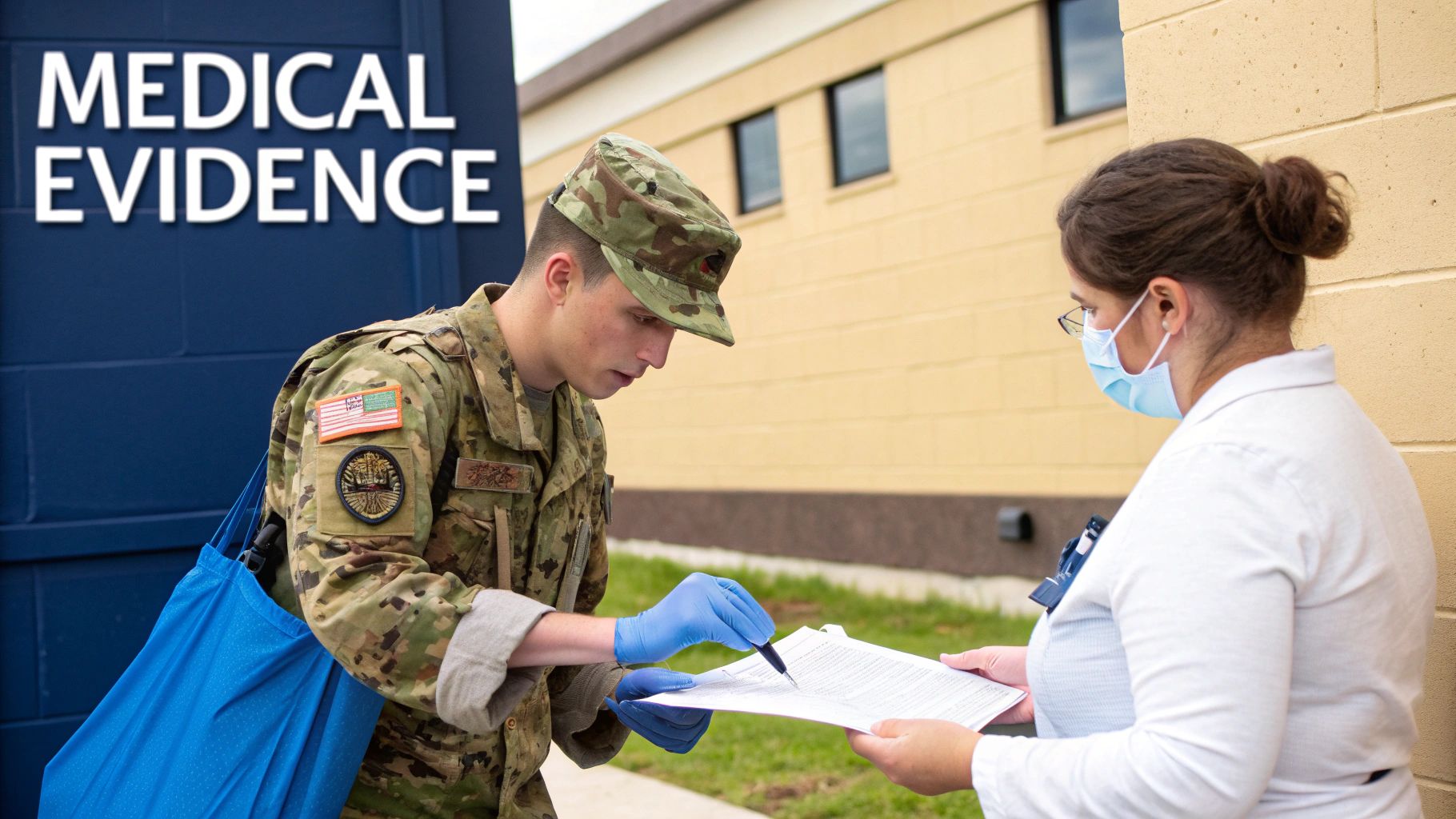
The key to proving service connection lies in creating a well-organized medical evidence portfolio that clearly shows the link between your current disability and military service. This isn't just about collecting documents – it's about telling your story through carefully selected medical records that support your claim. Let's explore how to build a compelling portfolio that gives you the best chance of success.
The Power of the Nexus Letter
The nexus letter is essential for connecting your current condition to your military service. This detailed medical opinion from your healthcare provider needs to explicitly explain why your disability is "at least as likely as not" related to your time in service. For instance, if you hurt your back during training and now have chronic pain, your doctor should outline how that specific injury led to your ongoing issues. The letter should address other potential causes while making a clear medical case for service connection based on your unique circumstances.
Identifying and Addressing Gaps in Your Evidence
Take time to review your medical evidence through the eyes of a VA reviewer before submitting your claim. Look for any missing pieces or time gaps that could weaken your case. If several years passed between your service and diagnosis, you'll need documentation showing how your condition developed over time. Finding and filling these gaps early can help prevent delays and denials later. Consider statements from family members or coworkers who observed your symptoms during those periods.
Combining VA and Private Medical Records
Records from both VA and private healthcare can work together to strengthen your claim. While VA records document your condition after service, private medical records often provide important details about your health before and during your military years. By organizing these records in chronological order and marking key entries that support service connection, you create a more complete picture of your medical history. Make sure to get copies of all relevant records and highlight the most important findings.
Examples of Persuasive Medical Opinions
An effective medical opinion does more than state conclusions – it explains the medical reasoning behind them. The strongest opinions describe the specific event or exposure during service, track how symptoms changed over time, and connect your current diagnosis to what happened while serving. They reference medical research and explain why your condition matches what would be expected from your type of service-related injury. This detailed approach helps VA reviewers understand exactly how your disability links to your military service.
Mastering Secondary and Treatment-Related Claims
Filing claims beyond your initial service-connected disabilities can have a major impact on your VA benefits. Many veterans don't realize they can file secondary claims for conditions caused by their primary service-connected disabilities, or claims related to VA medical treatment. Let's explore these important but often overlooked options.
Secondary Service Connection: Connecting the Dots Further
Secondary service connection applies when a new medical condition develops because of an existing service-connected disability. For example, if you have a service-connected back injury that causes you to walk with an altered gait, you may develop knee problems from the abnormal weight distribution. Even though the knee condition wasn't directly caused by military service, it can be connected secondarily through the back injury. Mental health conditions like depression can also be secondary to physical disabilities that cause chronic pain or sleep issues. To prove secondary service connection, you'll need medical evidence linking your new condition to the primary disability. A strong medical opinion letter explaining how your service-connected condition likely caused or aggravated the secondary issue is crucial.
38 U.S.C. 1151 Claims: Seeking Compensation for Treatment Injuries
Section 1151 claims are another path to benefits that many veterans don't know about. These claims cover disabilities caused or made worse by VA medical treatment or vocational rehabilitation. For instance, if you experienced complications from a VA surgery or had a bad reaction to VA-prescribed medication, you may be eligible for compensation. Successfully filing a 1151 claim requires detailed documentation of your VA treatment, including medical records, medication lists, and reports of any adverse events. For example, if you developed nerve damage after a VA injection, you'll need records of the procedure, documentation of your symptoms, and medical opinions connecting the damage to the treatment.
Building a Strong Case for Secondary or 1151 Claims
Like all VA claims, winning approval for secondary and 1151 claims depends on having solid evidence. Here are the key elements needed to build a strong case:
- Comprehensive Medical Records: Gather all records related to both your primary and secondary conditions, or for 1151 claims, documentation of VA treatment and resulting problems.
- Strong Nexus Letters: Get detailed medical opinions from qualified providers that clearly explain how your secondary condition stems from your service-connected disability, or how VA treatment caused additional disability.
- Detailed Chronological Timeline: Create a clear timeline showing when your primary disability began, when secondary issues developed, or when VA treatment occurred and complications arose. This helps demonstrate the connection between events.
- Supporting Evidence: Include statements from family members or fellow veterans who observed your conditions, along with any expert opinions about the standard of care provided.
Understanding how to file and win these specialized claims can make a significant difference in your overall VA disability rating and compensation. While these claims can be complex, taking time to gather strong evidence and present a well-organized case will improve your chances of approval.
Crafting a Strategic Appeal That Gets Results
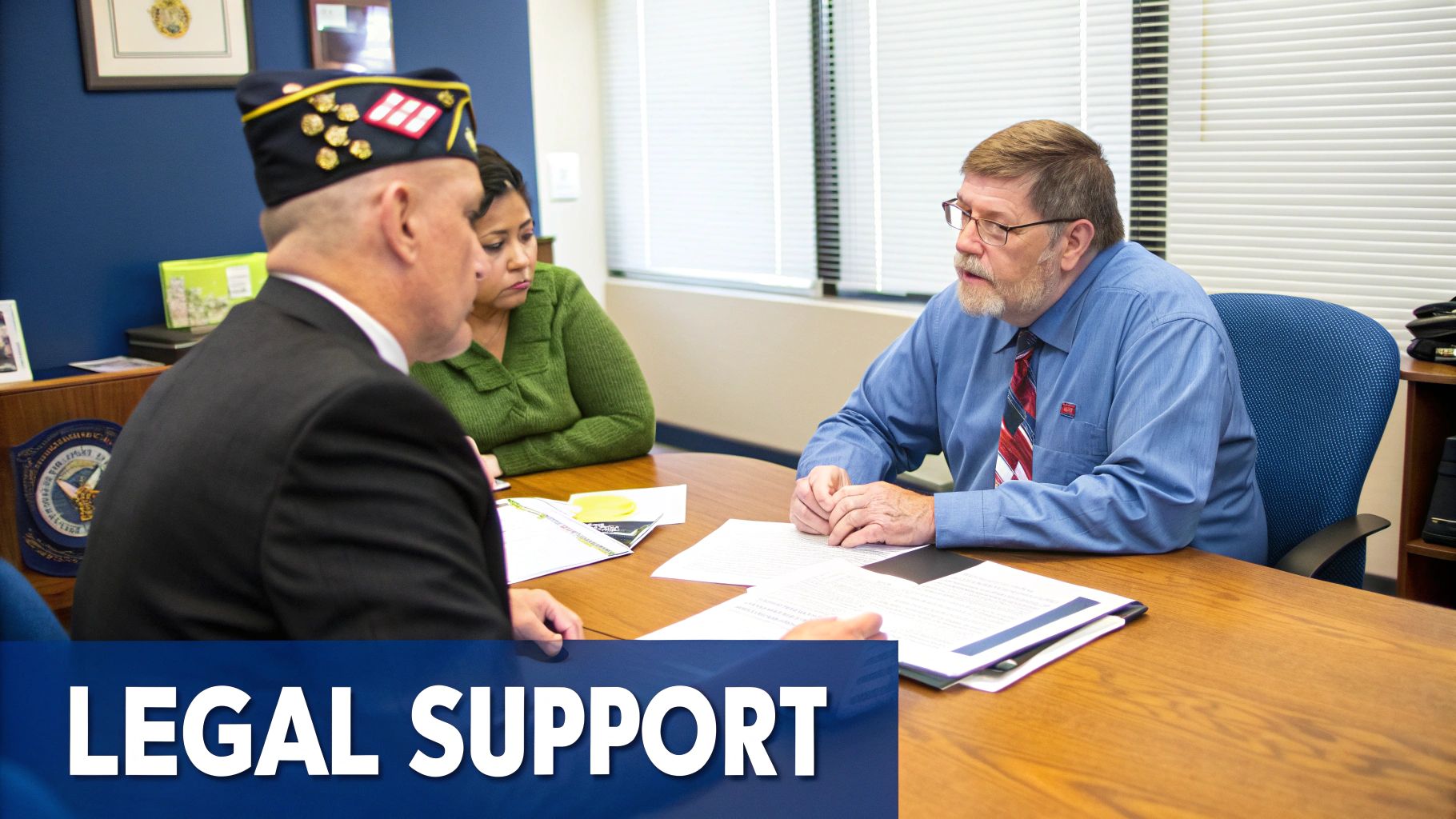
Getting a VA disability claim denial is disappointing, but you still have options. Many initial claims are denied, yet successfully overturned on appeal. Success often comes down to understanding how to effectively prove service connection during the appeals process. By taking a careful approach to strengthen your case and address the specific reasons for denial, you can build a compelling appeal. Here's how to craft an appeal that gets results.
Deconstructing the Denial Letter
Start by carefully reading your denial letter – it contains vital information for your appeal. The VA must explain exactly why they denied your claim. Make a list of each reason given and treat these as specific points to address. For example, if they cite insufficient medical evidence linking your condition to service, you know exactly where to focus your efforts. By breaking down the denial letter point by point, you create a clear roadmap for building your appeal.
Gathering Targeted Evidence to Overcome Objections
After identifying the denial reasons, collect focused evidence to counter each point. If the VA questioned the connection between your current condition and military service, obtain a detailed medical opinion from a specialist familiar with your disability. Statements from family, friends, or fellow service members who witnessed your symptoms develop can also strengthen your case. Think of it like fixing a broken bridge – the denial letter shows the weak spots, and your new evidence provides the materials to make it solid.
Presenting New Evidence Effectively
The way you present evidence matters as much as the evidence itself. Create a clear organization system with a table of contents and numbered exhibits that makes it easy for VA reviewers to follow your argument. For instance, if they questioned symptom severity, lay out a chronological timeline showing how your condition progressed, referencing specific medical records and supporting statements. This structured presentation demonstrates the thoroughness of your case while making it simple for reviewers to understand.
Strengthening Medical Opinions and Utilizing Lay Statements
Strong medical evidence often determines appeal success. Basic nexus letters may not be enough. Work with your doctor to ensure their statement directly addresses the VA's concerns by explaining the medical basis for connecting your condition to service, citing relevant research, and ruling out other potential causes. Additionally, gather detailed lay statements describing specifically how your symptoms impact daily activities. The combination of medical expertise and real-world impact creates a persuasive case.
Timing Your Appeal and Choosing the Right Lane
Finally, consider when and how to submit your appeal. The VA offers several appeal paths, each with different procedures and timelines. Research the options carefully to select the one that best fits your situation and goals. While gathering comprehensive evidence takes time, rushing an incomplete appeal can hurt your chances. A strategic, well-supported appeal submitted through the appropriate channel gives you the best opportunity to obtain the benefits you deserve.
Managing Your Claim Like a Pro: Documentation and Timeline Strategies

Getting approved for VA benefits requires more than just having a valid claim – you need careful organization and a clear plan. This is particularly important when proving service connection. Just like building a house requires blueprints and a schedule along with materials, managing your VA claim needs both evidence and a structured approach. Here's how to organize your documents and track timelines to keep your claim moving forward smoothly.
Organizing Your Evidence for Maximum Impact
Submitting a disorganized stack of paperwork makes it harder for VA reviewers to understand and evaluate your claim. Instead, create a logical filing system that presents your evidence clearly. Get a binder with divider tabs to sort your documents by category – medical records, service records, nexus letters, lay statements, etc. Put the documents in chronological order within each section. This helps reviewers quickly find what they need.
Make an index or table of contents for your evidence binder too. This simple step makes it much easier for reviewers to navigate through your claim documents. When you submit a well-organized claim file, it shows you've put careful thought into presenting your case completely and professionally.
Tracking Deadlines and Communication: Stay Ahead of the Curve
The VA claims process involves many deadlines and back-and-forth communications. Missing a deadline or being slow to respond can seriously delay your claim. That's why you need a reliable system to track everything. Use a spreadsheet, calendar or app to record key dates:
- Date of claim submission: Your starting reference point
- Dates of VA correspondence: When you receive information requests or other communications
- Deadlines for submitting evidence: Note when additional documentation is due
- Scheduled C&P exam dates: Keep track of these important appointments
For each item, include notes about what was communicated and any actions needed. This organized approach helps you stay on schedule, prepare for upcoming deadlines, and respond quickly to VA requests. Being proactive can significantly speed up claim processing.
Preparing for C&P Exams: A Crucial Step in Proving Service Connection
C&P exams play a vital role in the VA claims process, especially for proving service connection. These exams give the VA an independent medical assessment of your condition. Taking time to prepare helps you present your case effectively during the exam. Review your medical records beforehand, focusing on entries about your claimed condition and its connection to your service. This helps you clearly describe your symptoms and their impact. Practice explaining how your current condition links to your military service. A clear, factual account strengthens your case.
Following these documentation and timeline strategies makes the VA claims process more manageable and improves your chances of approval.
Don't try to handle the complex VA claims process alone. Homefront Group offers expert guidance to veterans seeking to prove service connection and obtain their earned benefits. Visit https://homefrontgroup.com/ to learn more and schedule a free consultation. Their experienced team can help organize your claim, manage deadlines, and prepare for C&P exams to maximize your chances of success.