
Understanding The Agent Orange Neuropathy Connection
Agent Orange, a powerful herbicide used in the Vietnam War, continues to impact veterans' health. One of the most serious and debilitating conditions linked to Agent Orange exposure is peripheral neuropathy. This connection is well-established, supported by extensive research and countless veteran testimonials. Let's explore the science behind this devastating condition.
How Dioxin Damages The Nervous System
The primary toxic component of Agent Orange is dioxin, a persistent chemical contaminant. Dioxin accumulates in the body, especially in fatty tissues, and over time, this buildup can disrupt nerve function, leading to peripheral neuropathy. It acts like a slow-acting toxin, gradually damaging the nervous system's communication network. This disruption specifically affects the peripheral nervous system, the nerves outside the brain and spinal cord, primarily impacting the hands and feet.
Agent Orange, containing the toxic dioxin compound, was widely used from 1961 to 1971 by U.S. and allied forces. Studies reveal a significantly increased risk of peripheral neuropathy among veterans exposed to Agent Orange. Peripheral neuropathy is a condition characterized by nerve damage in the extremities, causing pain, tingling, and weakness. Learn more about Agent Orange and peripheral neuropathy. This link between Agent Orange and peripheral neuropathy is now widely accepted.
Delayed Onset and Individual Susceptibility
A puzzling aspect of Agent Orange-related neuropathy is the delayed onset of symptoms. Some veterans experience issues soon after exposure, while others may not develop symptoms for decades. This makes it challenging to initially link the condition to military service. Furthermore, not all veterans exposed to Agent Orange develop peripheral neuropathy. This suggests individual susceptibility factors are at play, likely influenced by genetics, overall health, and the level of exposure. This variability highlights the need for personalized assessment and treatment.
The Mechanism of Nerve Damage
Research continues to explore the exact mechanisms by which dioxin causes nerve damage. One leading theory suggests that dioxin disrupts essential cellular processes necessary for nerve health. This can lead to demyelination, the damage or destruction of the protective myelin sheath that surrounds nerve fibers. The myelin sheath acts like insulation around an electrical wire. Damage to this insulation disrupts signal transmission, resulting in the classic symptoms of peripheral neuropathy, including pain, numbness, tingling, and muscle weakness.
The Impact On Veterans' Lives
The effects of peripheral neuropathy reach far beyond physical discomfort. Chronic pain and loss of sensation can significantly impair a veteran's ability to perform daily tasks, impacting work, relationships, and overall quality of life. Understanding the connection between Agent Orange and peripheral neuropathy is essential for veterans seeking appropriate medical care, support, and benefits. This knowledge empowers veterans to advocate for their needs and access necessary resources.
Recognizing Symptoms And Getting The Right Diagnosis
Early diagnosis of peripheral neuropathy connected to Agent Orange exposure is vital for effective management and a better quality of life. This section will guide you through the often subtle symptoms, the diagnostic process, and how to best prepare for your medical evaluations. Recognizing these signs and understanding the necessary steps can significantly impact your treatment outcomes and potential VA claims.
Identifying The Subtle Warning Signs
Peripheral neuropathy often starts with seemingly minor sensations that are easily overlooked. These early symptoms can include a tingling or “pins and needles” sensation, especially in the hands and feet. Numbness or decreased feeling in the extremities can also be a preliminary sign. You might, for example, find it difficult to button your shirt or feel as if you're walking on cotton.
These seemingly insignificant symptoms can worsen into more debilitating pain, burning, and muscle weakness. Some veterans also report experiencing sharp, shooting pains or a burning feeling in their hands and feet. This pain can intensify at night, disrupting sleep and compounding the overall effects of the condition.
As peripheral neuropathy advances, muscle weakness may develop, making everyday tasks more challenging. This can manifest as difficulty gripping objects, problems with walking steadily, or trouble maintaining balance. Recognizing these early and progressing symptoms is crucial for promptly seeking medical care.
Seeking Professional Medical Evaluation
If you think you may have peripheral neuropathy, it’s essential to seek a professional medical evaluation. A correct diagnosis begins with a complete physical exam and a thorough review of your medical history, including your military service and any potential Agent Orange exposure. Your doctor will likely ask you specific questions about your symptoms, when they started, and their effect on your daily life. This detailed history will help the physician fully grasp your condition.
Several diagnostic tests can confirm peripheral neuropathy and determine its severity. These can include nerve conduction velocity (NCV) tests and electromyography (EMG). NCV tests determine how fast electrical signals travel through your nerves, while EMG assesses the electrical activity of your muscles. These tests help identify the location and extent of nerve damage. A nerve biopsy is another possible diagnostic tool, though it's used less frequently. Understanding the purpose of these tests and being prepared for them can alleviate anxiety and ensure the most accurate results possible.
Preparing For Your VA Claim
Thorough documentation is essential for supporting your VA claim for peripheral neuropathy related to Agent Orange exposure. This documentation should comprise a detailed record of your symptoms, their progression, and the outcome of all diagnostic testing. For example, maintaining a symptom journal can be extremely beneficial; record the type, intensity, and frequency of your symptoms.
Additionally, obtaining a medical opinion from a qualified healthcare provider that connects your peripheral neuropathy to Agent Orange exposure will greatly strengthen your claim. This medical opinion should clearly state the diagnosis, its link to Agent Orange, and the ways it affects your capacity to perform daily activities. The VA rates peripheral neuropathy on a scale from 10% to 80%, according to the severity of symptoms and their impact on your ability to function. Understanding this rating system and ensuring your medical documentation accurately reflects your condition’s severity can help maximize your benefits.
Careful preparation will ensure you have the strongest possible case for your VA claim. With the correct diagnosis and complete documentation, you can navigate the VA process successfully and receive the benefits you deserve.
The Science Behind Exposure Risk And Symptom Severity
Understanding your individual risk profile for peripheral neuropathy related to Agent Orange exposure is crucial for predicting symptom progression and making informed decisions about treatment. This involves a close examination of the link between exposure levels and the resulting severity of neuropathy symptoms. Just as routine car maintenance is vital for vehicle longevity, understanding the potential impact of exposure risks is essential for long-term health. For a helpful car maintenance guide, see these essential car maintenance tips.
The Dose-Dependent Relationship
Research consistently demonstrates a strong correlation between the level of Agent Orange exposure and both the likelihood and severity of developing peripheral neuropathy. This is known as a dose-dependent relationship. Essentially, this means higher exposure levels generally correlate with a greater risk of developing more severe symptoms. For instance, individuals exposed to higher concentrations of dioxin, a toxic component of Agent Orange, often experience more pronounced neuropathy.
This understanding underscores the importance of accurately assessing exposure levels when evaluating a veteran's health. Research analyzing veterans with varying Agent Orange exposure levels (less than 10 ppt, 10–94 ppt, and over 94 ppt dioxin equivalents) revealed that the highest rates of 'probable neuropathy' occurred among those with the greatest exposure over time, reinforcing this dose-dependent connection. Explore this topic further.
Measuring Dioxin Exposure
Researchers employ various methods to measure dioxin exposure in veteran populations. Analyzing blood or tissue samples for the presence of dioxin and its metabolites is a common approach, providing a direct measurement of accumulated dioxin in the body. However, due to dioxin's long half-life, these measurements may not always accurately reflect past exposure levels. Other methods, such as questionnaires about service history and location, can help provide a more complete picture.
Factors Influencing Individual Risk
Several factors influence individual risk of developing peripheral neuropathy after Agent Orange exposure. These include:
- Service Location: Veterans who served in areas heavily sprayed with Agent Orange, like inland waterways and the perimeters of U.S. bases, have a higher risk.
- Duration of Exposure: Longer exposure periods generally increase the risk and potential severity of neuropathy.
- Individual Health Variables: Pre-existing health conditions, genetic predispositions, and lifestyle choices can all influence susceptibility to neuropathy.
These factors can interact in complex ways. Therefore, considering each individual's unique circumstances is crucial for accurate risk assessment. This personalized approach is also critical for developing effective, individualized treatment plans and providing the most appropriate support. Understanding these factors provides a more complete understanding of the varying symptom severity among veterans, from mild cases to more debilitating experiences. This knowledge also empowers veterans to have informed discussions with healthcare providers and VA representatives about prognosis and necessary care.
Statistical Evidence That Strengthens Your Case
The connection between Agent Orange exposure and peripheral neuropathy isn't just anecdotal; it's backed by scientific evidence. Understanding this data can significantly strengthen your VA claim and inform your treatment decisions. This section breaks down key epidemiological research, clarifying how these statistics can directly impact your individual situation.
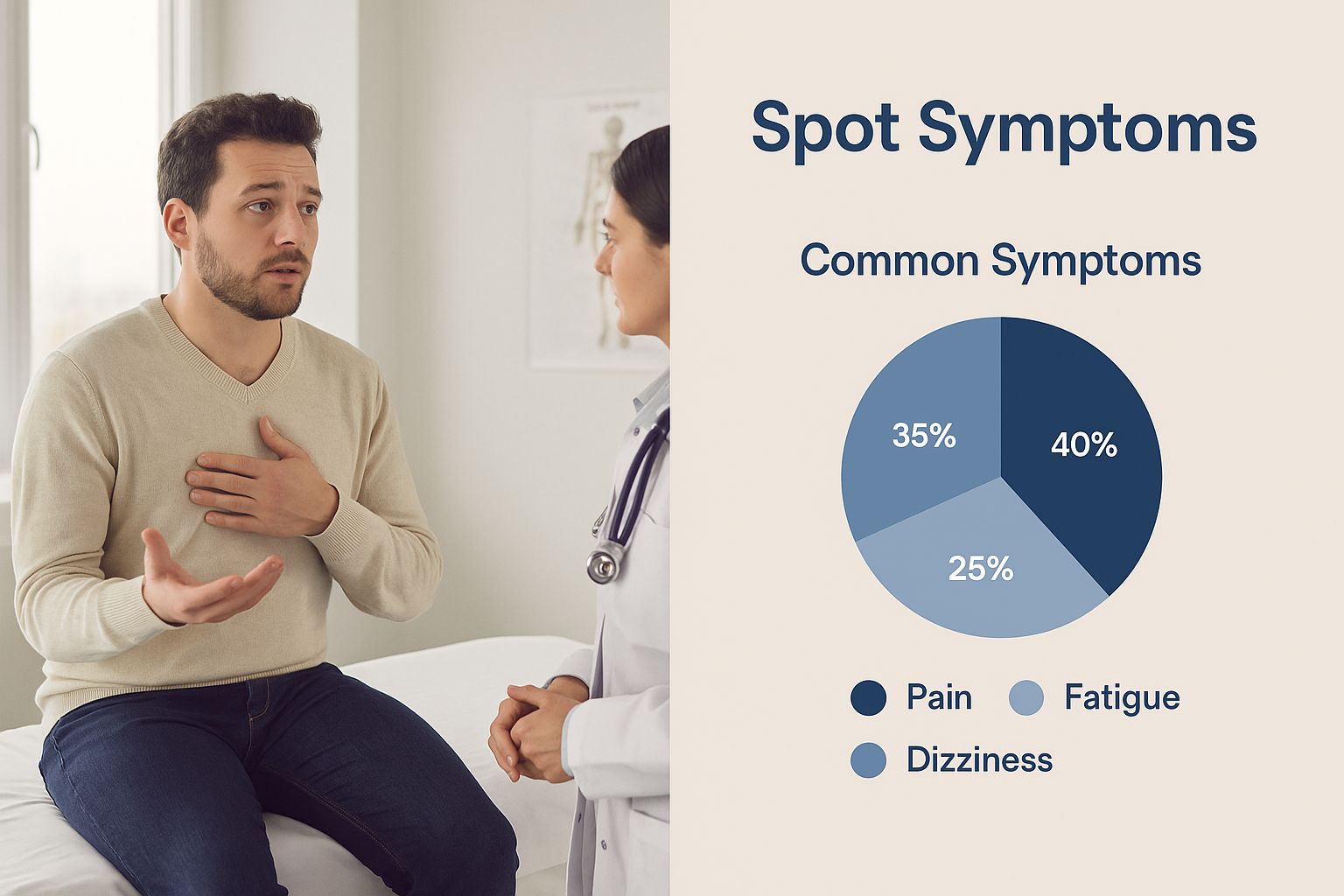
This infographic visualizes the process of diagnosing peripheral neuropathy symptoms. It highlights the importance of recognizing early signs and seeking a medical consultation to pinpoint the source of your symptoms.
Understanding Odds Ratios and Confidence Intervals
Epidemiological studies often use odds ratios to represent the likelihood of developing peripheral neuropathy after Agent Orange exposure. An odds ratio greater than 1 indicates an increased risk.
For example, an odds ratio of 2 means exposed individuals are twice as likely to develop the condition compared to unexposed individuals. However, these ratios aren't absolute predictions.
They are accompanied by confidence intervals, which provide a range within which the true odds ratio likely lies. A narrower confidence interval indicates a more precise estimate.
Isolating Agent Orange's Impact
One challenge in studying Agent Orange's effects is accounting for other contributing factors to peripheral neuropathy. These factors can include age, smoking history, diabetes, and other medical conditions.
Researchers use statistical methods to control for these confounding variables, isolating Agent Orange's true impact. One study found that after adjusting for factors like age and smoking, the odds ratios for peripheral neuropathy increased with exposure levels.
Compared to no exposure, the odds ratios rose from 1.03 (0.99, 1.08) in the lowest exposure group to 1.09 (1.02, 1.16) in the highest. This dose-dependent relationship shows that higher exposure is linked to greater risk. You can find more detailed statistics here.
The Weight of Statistical Evidence
Different study types carry different weight with VA evaluators. Cohort studies, which follow exposed and unexposed groups over time, are generally considered stronger evidence than case-control studies, which compare individuals with and without the condition.
Studies with large sample sizes and rigorous methodologies also provide more reliable results. This careful consideration of research quality is critical for presenting a strong VA claim.
The following table summarizes the risk levels associated with varying degrees of Agent Orange exposure.
| Agent Orange Exposure Risk Levels And Neuropathy Odds | Comparison of peripheral neuropathy risk across different Agent Orange exposure levels |
|---|---|
| Exposure Level | Odds Ratio |
| — | — |
| None | 1.00 |
| Low | 1.03 |
| Medium | 1.06 |
| High | 1.09 |
As this table clearly demonstrates, the risk of developing peripheral neuropathy increases with the level of Agent Orange exposure.
Using Evidence to Your Advantage
When presenting your case to the VA, use the same scientific evidence that shapes their policy and compensation decisions. This means demonstrating not only your Agent Orange exposure but also providing medical documentation aligning with established statistical patterns.
Clearly linking your peripheral neuropathy diagnosis to your military service and Agent Orange exposure is crucial.
The Importance of Medical Documentation
While statistical evidence establishes a general link, your medical records are the cornerstone of your VA claim. These records should detail your specific symptoms, their progression, and results of diagnostic tests.
This documentation, combined with statistical evidence, creates a comprehensive case. A strong medical opinion from a qualified healthcare provider linking your peripheral neuropathy to Agent Orange exposure further strengthens your claim. This combined approach gives you the best chance of securing the VA benefits you deserve.
Global Impact Beyond U.S. Veterans

The health crisis stemming from Agent Orange exposure isn't limited to the United States. It has impacted populations worldwide. This section explores the international cases of peripheral neuropathy connected to Agent Orange, emphasizing its enduring consequences on various communities. Understanding this broader perspective is essential to grasp the true scale of this continuing health challenge.
South Korean Veterans and Agent Orange
South Korean veterans who served in the Vietnam War alongside U.S. forces also suffered significant Agent Orange exposure. Studies show an increased risk of peripheral neuropathy among these veterans, similar to the health problems experienced by their American counterparts.
However, research focusing on South Korean veterans faces unique obstacles. Differences in record-keeping and access to healthcare make accurate data collection and analysis more difficult.
Vietnamese Civilian Exposure
The impact of Agent Orange on Vietnamese civilians is another tragic aspect of this health crisis. Millions of Vietnamese people, including women and children, were exposed to Agent Orange during the war.
This exposure has led to a range of health issues, including a substantially higher rate of peripheral neuropathy across generations. The long-term effects on the Vietnamese population remain a significant public health concern, demanding ongoing research and support. The global issue of Agent Orange-related peripheral neuropathy isn't confined to U.S. veterans. It also affects allied forces from South Korea and potentially other countries, as well as the Vietnamese population and surrounding regions. Discover more insights about this global impact.
Varying Exposure Patterns and Susceptibility
Exposure patterns and levels varied significantly between groups. U.S. military personnel often experienced direct exposure through spraying operations and contaminated environments. Vietnamese civilians faced both direct and indirect exposure through contaminated food and water. These different exposure pathways add to the complexity of assessing health impacts and understanding the development of peripheral neuropathy.
Research also indicates potential variations in susceptibility to Agent Orange's toxic effects among different populations. Genetic factors, nutritional status, and other environmental influences could play a role in how individuals react to dioxin exposure. Further research is needed to investigate the specific factors influencing susceptibility and how they contribute to varying degrees of peripheral neuropathy.
Ongoing International Efforts and Research
Acknowledging the global health implications of Agent Orange, international efforts are addressing the long-term effects. These include:
- Research collaborations to better understand the mechanisms of dioxin toxicity
- Studies investigating the genetic and environmental factors influencing susceptibility
- Initiatives to provide medical care and support to affected communities worldwide
These international initiatives aim to advance treatment options, raise public awareness, and seek recognition for the lasting effects of Agent Orange exposure.
The Future of Agent Orange Research
The ongoing research into Agent Orange and its link to peripheral neuropathy continues to develop. Researchers are exploring new ways to understand the complex relationship between genetics, environmental factors, and exposure levels in the development and severity of the condition.
This research could lead to:
- Improved diagnostic tools
- More targeted therapies
- A deeper understanding of the long-term health consequences for affected populations
Continued research is vital for developing effective strategies for prevention, treatment, and support for those impacted by Agent Orange-related peripheral neuropathy. This global effort remains critical for addressing this persistent health challenge and advocating for affected communities.
Mastering VA Benefits And The Compensation Process
Navigating the VA benefits system for Agent Orange-related peripheral neuropathy can feel overwhelming. However, understanding the process and developing a strong strategy can significantly improve your chances of a successful claim. This section provides a roadmap for filing your claim, highlighting the necessary documentation and explaining how the VA evaluates neuropathy severity.
Establishing Service Connection for Peripheral Neuropathy
The first step in securing VA disability benefits for peripheral neuropathy related to Agent Orange exposure is establishing a service connection. This involves demonstrating a clear link between your current condition and your military service. There are two primary ways to establish this connection: presumptive service connection and direct service connection.
Presumptive Service Connection
This applies to veterans who developed early-onset peripheral neuropathy. The VA recognizes peripheral neuropathy as a presumptive condition linked to Agent Orange. If your neuropathy appeared within one year of your service and is rated at least 10% disabling, you might qualify for presumptive service connection. This significantly simplifies the process, eliminating the need to definitively prove a direct link between your service and the condition.
Direct Service Connection
If your neuropathy doesn't qualify for presumptive service connection (for instance, due to delayed onset), you'll need to establish a direct service connection. This requires three key elements:
- A current diagnosis of peripheral neuropathy from a medical provider.
- Evidence of an event, injury, or illness during your service that could have contributed to the neuropathy. This might include a nerve injury or exposure to other toxins, even if not directly related to Agent Orange.
- A nexus, a medical opinion connecting your in-service event to your current diagnosis. A qualified healthcare professional must clearly state that your military service more likely than not caused your peripheral neuropathy.
Gathering Supporting Documentation
Comprehensive documentation is crucial, regardless of your path to service connection. This includes:
- Medical Records: Detailed records outlining your symptoms, their progression, and the results of diagnostic tests, such as nerve conduction velocity (NCV) tests and electromyography (EMG).
- Service Records: Documentation of your military service, including locations and dates, to verify Agent Orange exposure.
- Nexus Letter: A medical opinion explicitly linking your peripheral neuropathy to your military service or Agent Orange exposure. This letter should clearly explain the rationale for the connection and address any alternative potential causes.
- Symptom Journal: A daily record of your symptoms, their severity, and their impact on your daily activities. This provides valuable insight into how peripheral neuropathy affects your quality of life.
Understanding the VA Rating System
The VA rates peripheral neuropathy based on symptom severity and its impact on your ability to function. The rating scale ranges from 10% to 80% in increments of 10%. The VA currently uses the rating criteria for paralysis of the sciatic nerve when evaluating peripheral neuropathy. Each rating level corresponds to a specific level of functional impairment. To help illustrate this, let's look at the following table:
VA Disability Ratings For Peripheral Neuropathy: Breakdown of VA disability percentages and corresponding compensation for neuropathy symptoms
| Symptom Severity | VA Rating Percentage | Monthly Compensation | Required Documentation |
|---|---|---|---|
| Mild | 10% | $165.92 (as of 2024) | Medical records, diagnosis |
| Moderate | 20% | $327.99 (as of 2024) | Medical records showing functional impairment |
| Moderately Severe | 40% | $648.10 (as of 2024) | Medical records, possibly including NCV/EMG tests |
| Severe, Marked Atrophy | 60% | $972.04 (as of 2024) | Medical records documenting atrophy and significant functional impairment |
| Complete Paralysis | 80% | $1,283.81 (as of 2024) | Medical records confirming complete paralysis |
Note: Monthly compensation amounts are subject to change and are based on the 2024 rates for a single veteran with no dependents. Consult the VA website for the most up-to-date compensation information.
As you can see, higher ratings reflect greater limitations and result in increased monthly compensation. Accurate medical documentation that reflects the severity of your symptoms is crucial to receiving the appropriate rating.
Working with VA Representatives and Handling Appeals
The VA claims process can be complex. Working with an accredited VA representative, such as those at Homefront Group, can provide invaluable assistance. They can help you gather the necessary documentation, understand the rating criteria, and navigate the appeals process should your claim be denied. Don't be discouraged if your initial claim isn't approved. Many successful claims involve appeals. A qualified representative can help you build a stronger case and advocate for your benefits. Maintaining ongoing medical documentation and regularly updating your VA representative on any changes in your condition are essential for protecting your benefits in the long term. This proactive approach helps ensure you receive the support you deserve throughout your experience with peripheral neuropathy.
Key Takeaways
This section provides a practical roadmap for managing Agent Orange-related peripheral neuropathy, offering real-world strategies and support. We'll cover essential checklists for medical appointments, VA claims, and symptom management, along with realistic goals for treatment outcomes. Each takeaway focuses on actionable steps, giving you clear indicators to track progress and celebrate improvements.
Building Your Healthcare Team
Finding a knowledgeable physician is crucial. A doctor specializing in neuropathy or one experienced with Agent Orange-related health issues can provide accurate diagnoses, effective treatment plans, and vital documentation for your VA claim.
Assembling your support network is also important. Connect with other veterans facing similar challenges. Support groups and online communities can offer emotional support, practical advice, and shared experiences.
Finally, communicate effectively. Clearly describe your symptoms, their progression, and their impact on your daily life. This ensures your healthcare team understands your unique needs and can provide the most appropriate care.
Maximizing Your VA Benefits
Thorough documentation is key to a successful claim. Gather all relevant medical records, service records, and a nexus letter from your physician linking your neuropathy to Agent Orange exposure. Understanding your compensation options is also key. Learn more about available VA benefits.
Understanding the VA rating system is essential. Peripheral neuropathy is rated on a scale from 10% to 80% based on symptom severity and functional impairment. Accurate documentation of your symptoms is essential for receiving the appropriate rating.
Consider professional assistance. Navigating the VA claims process can be complex. A VA-accredited representative can guide you through the process, ensuring you present the strongest possible case.
Managing Symptoms Effectively
Symptom journaling can be incredibly helpful. Keeping a detailed record of your symptoms helps you track their progression and identify potential triggers. This information is invaluable for your healthcare team and your VA claim.
Explore treatment options. Discuss various treatment approaches with your doctor, including medication, physical therapy, and alternative therapies. Finding what works best for you often involves a combination of methods.
Prioritize self-care. Managing stress, maintaining a healthy diet, and engaging in regular physical activity (as tolerated) can help manage pain and improve overall well-being.
Setting Realistic Goals
Focus on functional improvement. While a complete cure may not be possible, focus on realistic goals, such as improving balance, managing pain, and increasing mobility.
Celebrate small victories. Acknowledge and appreciate every improvement in your journey with peripheral neuropathy. This positive mindset can significantly improve your overall quality of life.
Stay informed. Keep up-to-date with the latest research and treatment advances for Agent Orange-related peripheral neuropathy. Knowledge empowers you to make informed decisions about your care.
Key Indicators of Progress
Track these key indicators to monitor your progress:
- Reduced Pain Levels: Monitor pain intensity and frequency.
- Improved Mobility and Balance: Note any improvements in performing daily tasks and maintaining stability.
- Increased Participation in Activities: Observe your ability to engage more fully in enjoyable activities.
By focusing on these key takeaways, you can proactively manage your Agent Orange-related peripheral neuropathy. Building a strong support network, maximizing your VA benefits, managing symptoms, and setting achievable goals are crucial for improving your quality of life. Connect with the team at Homefront Group. They specialize in helping veterans secure the VA benefits and support they deserve. Visit their website to learn more and schedule a free consultation.