Understanding Your Agent Orange Benefits Eligibility

Getting Agent Orange benefits starts with knowing if you qualify. Your military service history and any related health problems are the main factors that determine eligibility. To start your application process, you'll need to know exactly when and where you served, along with any health conditions you've developed since then.
Service Location and Timeframes
The VA keeps specific records of where and when veterans served that would qualify them for Agent Orange exposure. While service in Vietnam between January 9, 1962, and May 7, 1975, is one of the most well-known qualifying factors, it's not the only one. Veterans who served near the Korean DMZ between September 1, 1967, and August 31, 1971, may also be eligible. The VA has also added more locations over time, including places within the U.S. where Agent Orange was tested or stored. Since these locations continue to be updated, it's important to check current VA guidelines when applying.
Qualifying Health Conditions
To receive Agent Orange benefits, you must have both qualifying service and a health condition that the VA links to Agent Orange exposure. If you meet both criteria, the VA must prove you weren't exposed – not the other way around. This makes getting benefits easier for many veterans. The VA's list includes conditions like Type 2 diabetes, Parkinson's Disease, and several types of cancer. Thanks to the PACT Act of 2022, the VA recently added high blood pressure and MGUS to this list. Make sure to check the latest VA updates when you apply, as the list of conditions can change.
Documentation: Your Key to Success
Strong documentation is essential for a successful Agent Orange claim. Think of your application like building a case – you need clear evidence of both your service and your health conditions. Start with your military records, including deployment orders that show you served in qualifying areas. You'll also need detailed medical records that confirm your diagnosis and show how your condition has progressed. For example, if you're claiming diabetes-related benefits, include records of your blood sugar readings, medications, and any complications. The more complete your documentation is from the start, the faster your claim can move forward. Take time to gather all your records before you begin the application process – it will help you avoid delays and improve your chances of approval.
Navigating Presumptive Health Conditions
When seeking VA benefits related to Agent Orange exposure, understanding presumptive conditions is key. The VA maintains an official list of health conditions that are automatically considered linked to Agent Orange exposure. This means that if you served in a qualifying location during specified time periods and develop one of these conditions, you won't need to prove a direct connection – the VA assumes the link exists based on your service history.
Understanding the Presumptive Conditions List
The 2022 PACT Act significantly expanded the list of presumptive conditions for Agent Orange benefits. The list includes various types of cancer like prostate cancer and Non-Hodgkin's Lymphoma, as well as neurological conditions like Parkinson's Disease. For example, if you served in Vietnam during the designated period and later developed Parkinson's Disease, the VA will accept that your condition is connected to Agent Orange exposure without requiring additional proof.
The PACT Act notably added hypertension and monoclonal gammopathy of undetermined significance (MGUS) to the list. This addition is especially important since many veterans experience these conditions. Since the list can be updated, it's essential to check current VA resources to stay informed about any changes or additions.

Documenting Your Condition's Progression
Even with a presumptive condition, keeping detailed medical records is critical. This includes gathering documentation that shows your diagnosis, treatments, and how your condition has changed over time. For instance, if you're filing a claim for Type 2 diabetes, your records should include blood sugar readings, medications prescribed, and notes about related issues like neuropathy.
Think of your medical records as telling your health story – each document adds important details that show how your condition affects your daily life. Together, these records create a clear picture that supports your claim for benefits.
Working Effectively With Healthcare Providers
Your doctors play an essential role in documenting your health conditions for VA benefits. Regular communication ensures your medical records accurately capture both your condition's severity and its impact on your daily activities. Scheduling consistent check-ups helps maintain proper documentation while monitoring your health.
Being open with your healthcare providers about your Agent Orange exposure can lead to better care and earlier detection of related problems. This approach improves both your health outcomes and strengthens your benefits claim. A strong partnership with your medical team helps build a solid case that clearly shows how Agent Orange exposure has affected your health.
Building Your Compelling Evidence Package

The success of your Agent Orange benefits claim depends heavily on creating a strong evidence package. This means more than just gathering documents – you need to tell a clear story that shows how your military service, Agent Orange exposure, and current health problems are connected. Let's walk through how to put together documentation that effectively supports your case.
Essential Documents: The Foundation of Your Claim
Every successful claim starts with key documents that prove your eligibility. Think of these core documents as building blocks that work together to establish your service history and medical condition:
- Military Service Records: You'll need documents showing you served in qualifying locations during specific time periods. This includes your DD Form 214 (discharge papers), deployment orders, and any records confirming your presence in areas like Vietnam or the Korean DMZ.
- Medical Records: Include all relevant medical documentation that shows your diagnosis, treatments received, and how your condition has progressed over time. For example, if you're filing for Type 2 diabetes, gather your blood sugar test results, medication records, and notes about any complications.
- Nexus Letter (If Needed): For conditions not automatically presumed to be connected to Agent Orange, you'll need a letter from your doctor explaining how your current health problems likely stem from Agent Orange exposure during your service.
Obtaining Missing Records: Filling the Gaps
Don't worry if you're missing some important documents – there are several ways to track down records you need:
- National Archives and Records Administration (NARA): This is your first stop for finding military service records, as NARA maintains extensive personnel files.
- VA Records Research: The VA can often help locate records related to your service history or previous claims. Make sure to ask about their record search services.
- Private Record Retrieval Services: If you have trouble getting records through official channels, private companies specializing in document retrieval may be able to help.
Presenting Your Evidence: Making Your Case Clear
Having the right documents is only part of the process – you also need to present them in a way that makes your case easy to understand:
- Chronological Order: Arrange your documents to show the timeline from your service through exposure and development of health issues.
- Indexed and Labeled: Create a clear table of contents and label each document so VA reviewers can quickly find specific information.
- Concise Narrative: Include a brief summary that highlights the key points connecting your service, Agent Orange exposure, and current health condition.
Taking time to carefully organize your evidence package shows you're serious about your claim and helps VA reviewers understand your case more easily. A well-structured package that clearly tells your story gives you the best chance of receiving the benefits you deserve. Remember to be thorough but focused – include everything relevant while avoiding unnecessary documents that might distract from your main points.
Mastering the Claim Submission Process
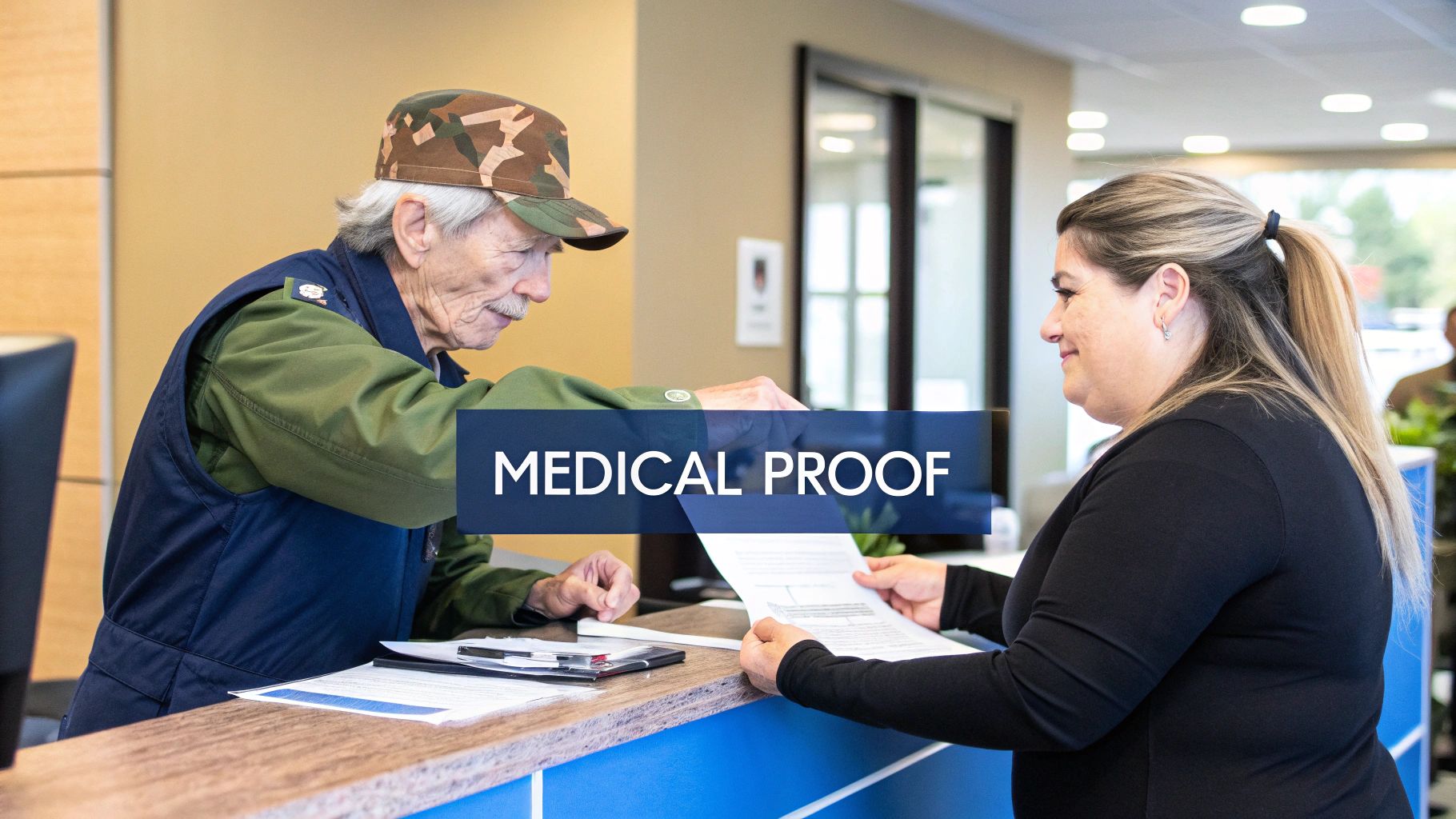
Filing an Agent Orange claim requires careful attention to detail and proper organization. Understanding the key steps and requirements helps ensure your claim gets processed efficiently. This guide breaks down the submission process, common mistakes to avoid, and practical tips from veterans who have successfully obtained benefits.
Choosing Your Submission Channel
Veterans can submit Agent Orange claims through several different methods. Each option has distinct advantages to consider:
- VA.gov (Online): The VA.gov website offers a convenient way to submit and track claims online. This tends to be the fastest method when you have digital copies of your documents ready.
- VA-Accredited Representatives: Working with a Veterans Service Organization (VSO) or attorney provides expert guidance through the process. They help gather documents and navigate requirements.
- Regional VA Offices (In-Person): Visiting your local VA office allows for face-to-face assistance. Staff can answer questions and help you complete forms correctly.
Streamlining Your Submission: A Step-by-Step Guide
Follow these key steps for a well-organized claim submission:
-
Gather Your Documentation: Collect all required records including:
- Military service records
- Medical documentation
- Evidence showing service in qualifying locations/timeframes
- Medical diagnosis of qualifying conditions
For example, gather records proving Vietnam service between 1962-1975 plus medical documentation of Type 2 diabetes.
-
Complete Required Forms: Use the correct forms based on your submission method:
- Online forms through VA.gov
- Paper forms from VA representatives
- Forms provided at regional offices
-
Submit Your Claim: File through your chosen channel and keep copies of everything submitted for your records.
-
Track Progress: Monitor your claim status regularly through VA.gov online tools or by contacting your representative.
Avoiding Common Pitfalls and Maximizing Your Chances
Many claims face delays due to simple oversights. Watch out for these common issues:
- Missing Documentation: Include all required records upfront to prevent processing delays
- Information Errors: Double-check that all details match across forms and documents
- Poor Follow-Up: Stay engaged in the process and check status updates regularly
Take these proactive steps to strengthen your claim:
- Organize Records: Create a chronological file with clear labeling to help reviewers
- Write a Brief Summary: Include a short overview of your service, exposure, and health conditions
- Stay in Contact: Respond quickly to VA requests and update them about any changes
Following these guidelines helps ensure proper handling of your claim. Remember that organizations like the Homefront Group can provide valuable support throughout the process. Their experience often leads to better outcomes for veterans seeking Agent Orange benefits.
Working With Professional Support Teams
Getting Agent Orange benefits can feel like a complex challenge to tackle alone. While understanding eligibility rules and gathering documents are essential first steps, working with experienced professionals can make a significant difference in getting approved for benefits. Let's explore how Veterans Service Organizations (VSOs), VA-accredited representatives, and specialized attorneys can help guide you through the process.
Benefits of Professional Help
The VA claims system involves many specific rules and procedures that can be difficult to navigate independently. Just as you would consult a doctor for medical advice, getting help from VA benefits experts ensures you have knowledgeable guidance. For example, a VSO representative can explain complex VA terms in plain language, make sure you use the right forms, and help you identify and submit the most relevant evidence. This assistance is especially valuable if your case involves unusual circumstances or you need to appeal a denied claim. Having professional support lets you focus on your health while experts manage the technical details.
Available Support Options
Several types of professional assistance are available to help with your claim:
-
Veterans Service Organizations (VSOs): Organizations like the Disabled American Veterans (DAV) and American Legion provide free help with VA claims. Their trained staff understand the VA system well and can guide you through applications while advocating on your behalf.
-
VA-Accredited Representatives: These individuals have earned VA certification to assist veterans. They may work through VSOs or independently. Their accreditation confirms they have the expertise and ethics standards needed to represent veterans effectively.
-
Specialized Attorneys: Some lawyers focus specifically on VA disability law and can represent veterans during appeals or complex cases. Legal help can be particularly important if your initial claim is denied or involves challenging legal issues.
Selecting Your Representative
Finding the right professional match is key for success. Consider these important factors:
-
Track Record: Look for representatives with proven experience handling Agent Orange claims successfully. Some organizations, like the Homefront Group, specialize in toxic exposure claims and offer free consultations to discuss your situation.
-
VA Accreditation: Verify that any representative you consider has proper VA credentials and authorization to represent veterans.
-
Good Communication: Choose someone who explains things clearly, responds promptly, and makes you comfortable discussing your case. A strong working relationship based on trust and open dialogue will help achieve the best outcome.
Creating an Effective Partnership
Once you select a representative, take these steps to work together smoothly:
-
Be Thorough and Honest: Share complete details about your service history, health conditions, and other relevant information. The more your representative knows, the better they can advocate for you.
-
Keep Records Organized: Collect and organize your military records, medical documents, and other evidence systematically. Well-organized files help your representative build a stronger case more efficiently.
-
Stay Involved: Keep in regular contact with your representative, ask questions when needed, and stay informed about your claim's progress. Active participation ensures you understand the process and can provide helpful input along the way.
Working with professional support significantly improves your chances of getting approved for Agent Orange benefits. By carefully choosing a qualified representative and maintaining good communication, you can navigate the claims process effectively and get the benefits you've earned. Remember – you don't have to handle this alone. The right professional guidance can make all the difference.
Navigating the Post-Submission Journey
After submitting your Agent Orange benefits application, you enter a critical period of waiting and review. While this time can feel uncertain, having a clear understanding of the process and knowing what to expect can help you stay proactive and prepared.
Understanding VA Review Timelines
Processing times for VA claims vary based on several key factors. Simple claims with complete documentation may be decided within a few months. More complex cases requiring additional medical exams or records often take longer to process. The current VA workload also affects timing. Having realistic expectations about these timeframes helps reduce anxiety during the waiting period.
Interpreting VA Decisions
The VA's decision letter will clearly outline their findings – whether your claim is approved, denied, or needs more information. For approved claims, you'll see details about your benefit amount and when payments begin. If denied, the letter explains the specific reasons and your options for appeal. Understanding this information is essential for determining your next steps.
Following Up on Your Claim: Proven Strategies
Stay engaged with your claim by checking its status regularly through the VA website or by phone. This helps you catch any requests for additional information quickly. For example, if the VA needs clarification about your service records or medical documentation, responding promptly prevents unnecessary delays. Regular status checks also create a record of your active participation in the process.
Responding to Information Requests and Maintaining Communication
Good communication with the VA is key throughout your claim. Keep copies of all correspondence and maintain detailed records of phone calls, including dates, times, and VA representative names. This documentation becomes valuable if you need to reference past interactions or if your claim requires appeal. Clear, organized communication ensures the VA has everything needed to properly evaluate your case.
Handling Denials and Pursuing Appeals
While receiving a denial can feel discouraging, you have several options to appeal the decision. Understanding the appeals process lets you choose the best path forward. Starting with a Notice of Disagreement begins the formal appeal. Working with a Veterans Service Organization (VSO) or VA-accredited attorney provides expert guidance through this process. These professionals help gather additional evidence and present your case effectively.
Seeking Additional Support
Don't hesitate to ask for help navigating the VA system. VSOs, accredited representatives, and specialized attorneys offer valuable guidance throughout the claims and appeals process. Organizations like the Homefront Group have specific expertise in toxic exposure claims and can help veterans seeking Agent Orange benefits. They provide insights tailored to your situation and needs.
Ready to explore how the Homefront Group can assist you with your Agent Orange benefits claim? Take the first step toward securing the support you deserve. Start your free consultation with the Homefront Group today: https://homefrontgroup.com/