
Prioritizing the Well-being of Our Everyday Heroes
Our first responders and veterans dedicate their lives to keeping our communities safe, often at great personal cost. Firefighters, police officers, EMTs, and military personnel face intense trauma and stress daily. While their mental health needs were historically overlooked due to stigma, our understanding of trauma's psychological impact has grown substantially. This has led to better support systems designed specifically for these public servants.
The challenges these heroes face are complex and interconnected. Post-traumatic stress disorder (PTSD), moral injury, toxic exposures, and physical injuries can create cascading effects on mental wellbeing. This requires comprehensive support that addresses multiple aspects of recovery.
What makes mental health resources truly effective for first responders and veterans? Key elements include:
- Easy access to care
- Providers with specialized trauma training
- Strong peer support networks
- Deep understanding of job-specific stressors
- Support for related legal and financial challenges
When seeking help with VA claims, workers' compensation, or other systems, having the right support is crucial. This guide explores 8 valuable resources specifically designed to support the mental and emotional health of first responders and veterans. From confidential counseling to peer groups to practical assistance, these services aim to provide the comprehensive care our everyday heroes deserve.
Veterans Affairs Mental Health Services offers specialized treatment programs. First Responder Support Network provides peer-based crisis intervention. Whether you're appealing a VA claim or processing a difficult call, help is available. Let's explore the options that can make a real difference.
1. Code Green Campaign
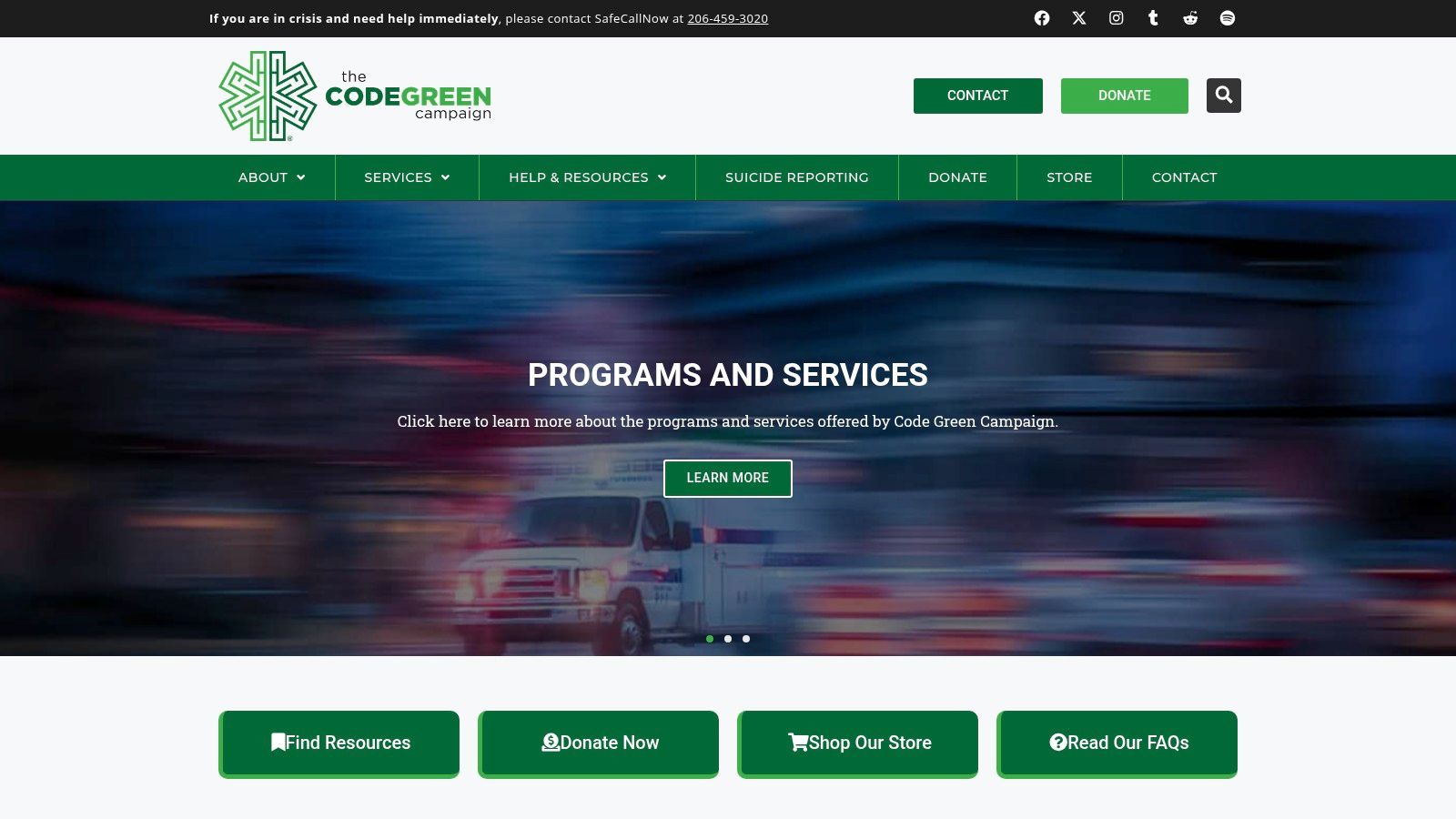
The Code Green Campaign is a mental health resource created specifically for first responders by first responders. This organization understands the unique challenges and stigma surrounding mental health in emergency services professions. For veterans moving into first responder roles or dealing with VA claims and toxic exposure issues, the Campaign offers practical support and community understanding.
Key Features:
-
24/7 Crisis Support Hotline: Connects first responders with trained professionals who understand their experiences. This service is especially helpful for those dealing with PTSD and trauma-related conditions.
-
Peer Support Training: Builds support networks within departments and communities. Veterans familiar with military camaraderie often find this aspect particularly beneficial as they transition to civilian first responder roles.
-
Educational Resources: Provides information and real stories that help reduce mental health stigma. Family members and colleagues can learn how to better support their loved ones.
-
Community Awareness: Promotes open discussions about mental health through targeted campaigns and outreach programs.
Benefits:
- First-hand experience: Programs are shaped by people who know the daily realities of emergency services
- No-cost access: All core resources are free to use
- Community-focused: Built around peer connections and shared experiences
Limitations:
- In-person options limited: Most services are online or phone-based
- Geographic variations: Program availability differs by location
Getting Started:
Visit the Code Green Campaign website to access their resources. The site offers clear navigation to find crisis support, peer programs, and educational materials.
What Makes It Different:
While other organizations support first responder mental health, Code Green stands out through its peer-driven approach. The founders' direct experience in emergency services gives them unique insight into the field's specific challenges and culture.
The Code Green Campaign fills an important need by offering free, accessible mental health support tailored to first responders. For veterans entering these roles or managing VA-related challenges, the combination of crisis support, peer programs, and educational resources provides essential tools for maintaining mental wellness in demanding professions.
2. First Responder Support Network (FRSN)
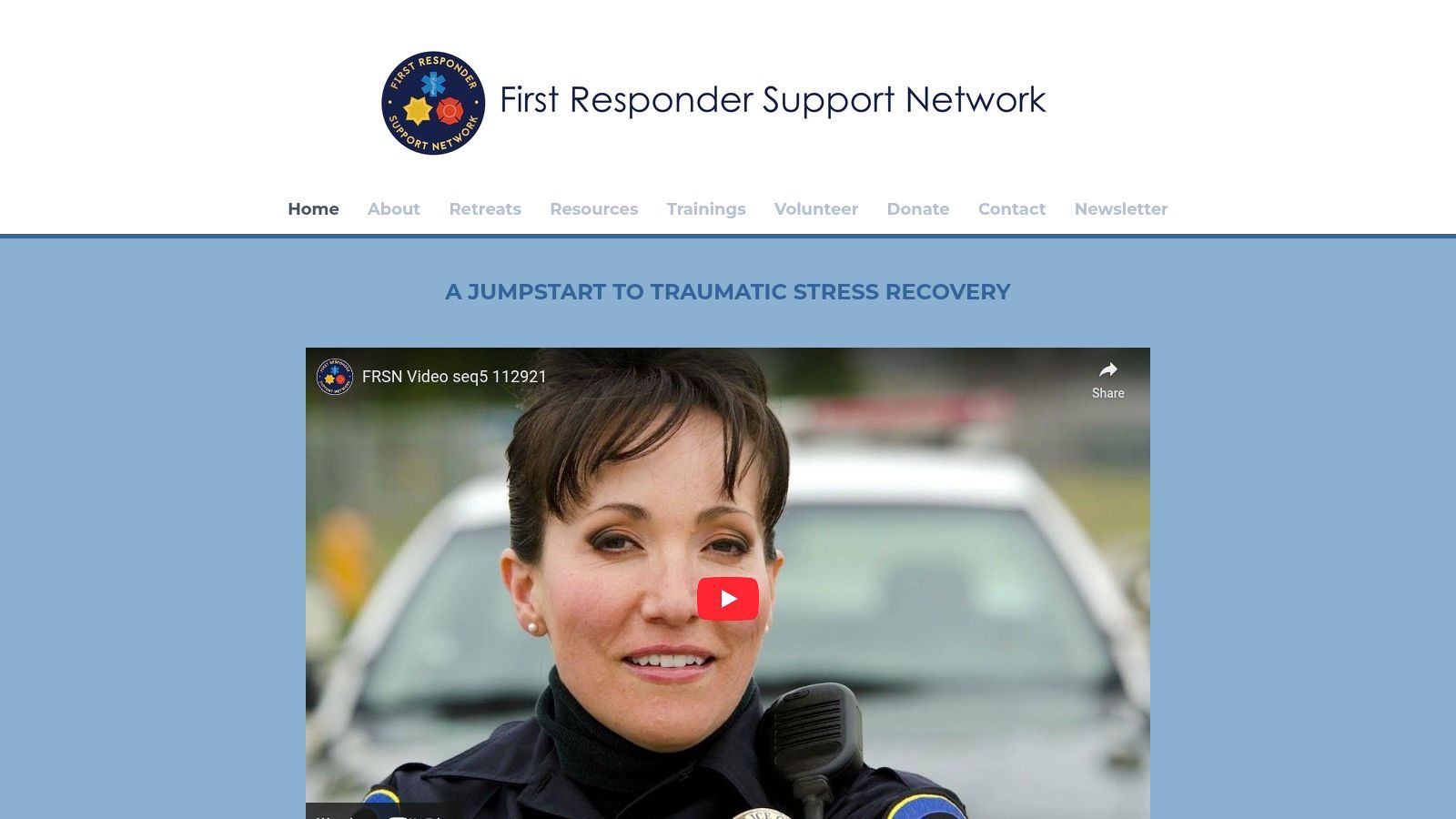
The First Responder Support Network (FRSN) stands out for delivering focused support that addresses the unique challenges first responders face. This resource is especially helpful for first responders seeking compensation for work injuries and toxic exposure, as these experiences often take a significant mental health toll.
FRSN has developed treatment programs and support services that truly understand the specific pressures of first responder work. Their deep expertise in this area makes them a trusted resource for those seeking help.
Key Features and Benefits:
- West Coast Post-trauma Retreat Program: An in-depth therapy program for those dealing with post-traumatic stress, going beyond what standard outpatient care typically offers
- Significant Other Support Programs: Programs specifically created for first responders' family members, giving them tools to help their loved ones heal
- Clinical Referral Network: Access to qualified clinicians experienced in treating first responders when direct FRSN services aren't accessible
- Educational Workshops: Practical sessions focused on stress management and coping skills to help maintain mental well-being
Pros:
- Research-Backed Methods: Uses proven therapeutic approaches for effective treatment
- First Responder Focus: Programs built around the specific experiences of first responders
- Whole Family Care: Support programs include family members in the healing process
Cons:
- Location Limits: Some programs, like the West Coast retreat, are only available in certain areas
- Program Availability: Popular programs may have waiting periods
- Cost Factors: Treatment costs can be substantial – important to check insurance coverage options early
Pricing and Access:
Contact FRSN directly for current pricing and insurance details, as these vary by program. Basic internet access is all that's needed to use their online resources.
How FRSN Compares:
While other organizations support first responder mental health, FRSN stands out through its intensive post-trauma retreat and emphasis on family support programs.
Getting Started:
Visit the FRSN website to learn about their programs. Then reach out directly to discuss your needs, check program availability, and understand costs and insurance coverage.
3. Safe Call Now

Safe Call Now provides essential mental health support specifically for first responders, including firefighters, EMTs, law enforcement officers, and their families. The service understands that these professionals face unique pressures and traumas that require specialized care, with a focus on peer support and strict confidentiality.
The service operates a 24/7 confidential crisis referral hotline that connects emergency services personnel and their families with appropriate support resources. Whether someone is dealing with a traumatic incident, ongoing stress, or personal issues, they can access immediate assistance at any time.
Key Features:
- 24/7 Crisis Line: Get immediate help from professionals who understand first responder challenges
- Professional Referrals: Access to vetted mental health experts and treatment centers
- Counselor Network: Connect with therapists experienced in first responder care
- Crisis Support: Immediate assistance during acute distress situations
Pros:
- Complete Privacy: Strict confidentiality to help overcome professional stigma
- Always Available: Round-the-clock support prevents crisis escalation
- National Service: Available to first responders across the entire US
Cons:
- Limited Long-Term Care: While excellent for immediate help, ongoing case management is not provided
- Possible Extra Costs: Additional expenses may apply for recommended treatment services
Pricing and Requirements:
The crisis hotline is free to use, requiring only phone access. Any follow-up treatment costs depend on the specific provider and insurance coverage.
Comparison with Other Services:
Safe Call Now stands out by focusing exclusively on first responders. This specialization allows them to provide targeted support through professionals who truly understand the field's unique challenges.
Getting Started:
Save the Safe Call Now number in your phone contacts before you need it. Check your insurance coverage for mental health services in advance to understand potential costs for recommended care.
Website: Safe Call Now
Safe Call Now serves as a critical resource for veterans working as first responders, offering confidential support during difficult times. The service fills an important role by providing specialized care that addresses the specific needs of this unique community.
4. COPLINE
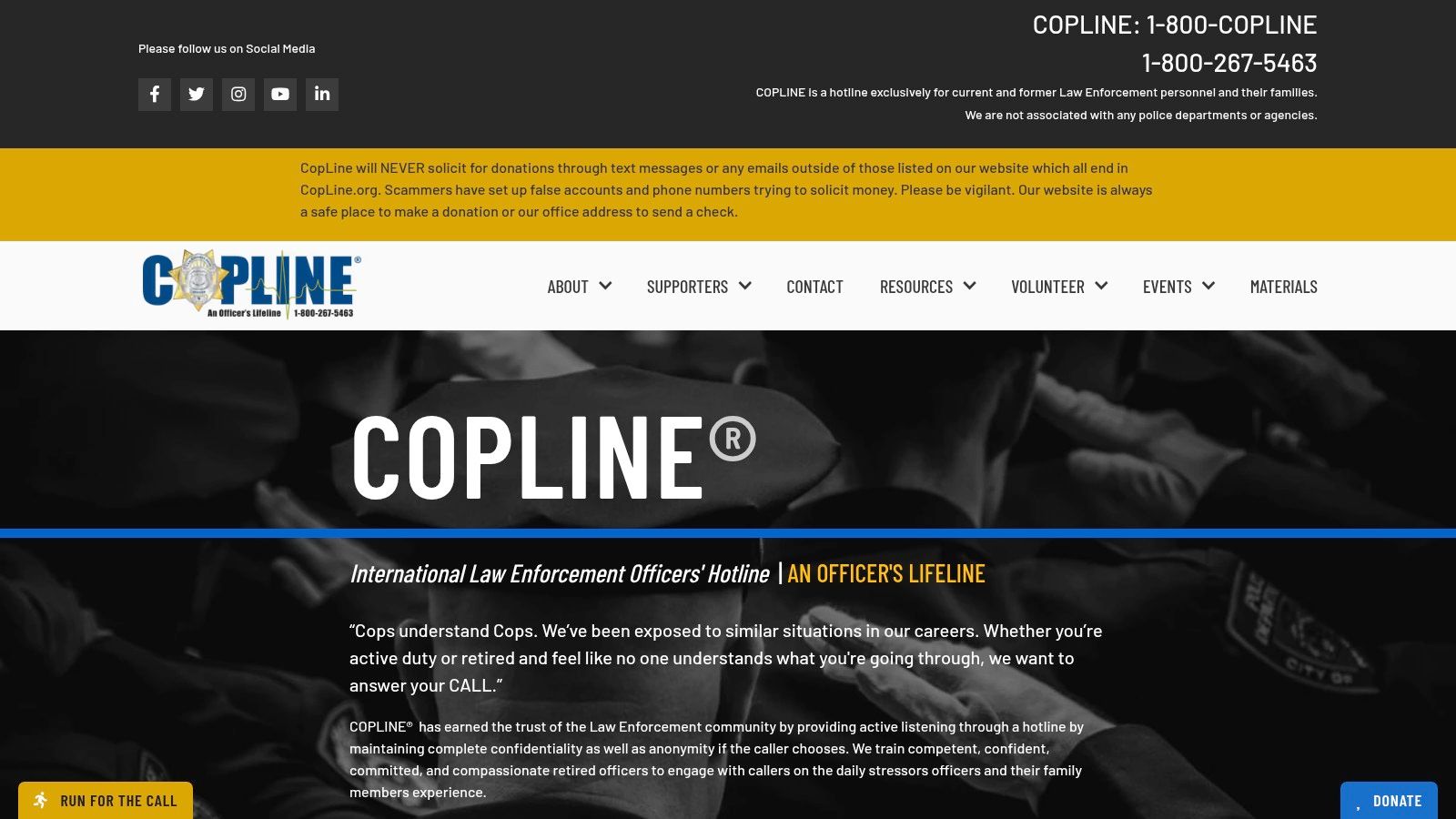
COPLINE stands out as an essential support service created specifically for law enforcement officers dealing with job-related stress. Operating as a peer support hotline, it provides confidential assistance around the clock. For officers managing work injuries, toxic exposure, or emotional challenges, COPLINE offers a secure environment to discuss these experiences.
This service earned its place on our list because law enforcement officers face unique pressures that require specialized support. The peer-based approach provides understanding that general mental health services may not match. Officers can speak openly with others who truly grasp the complexities of their profession.
Key Features:
- 24/7 Availability: Support is ready whenever needed, with no appointments required
- Peer Support Model: Retired officers staff the lines, offering support based on direct experience
- Resource Connections: Links to additional help like mental health professionals and legal services
- Emergency Response: Trained staff ready to assist with immediate crisis situations
Advantages:
- Expert Support Team: Retired officers provide support based on real-world experience
- Complete Privacy: Officers can speak freely without worrying about workplace consequences
- No Cost Service: Support is available at zero expense to officers
Limitations:
- Law Enforcement Only: Service limited to police officers, excluding other first responders
- Phone-Based: No text or chat options available for those who prefer written communication
Getting Started:
Access is simple – just dial the hotline number. No registration or setup needed.
What Makes It Different:
While many crisis lines exist, COPLINE stands alone in its focus on law enforcement and peer support model. This specialized approach makes it particularly valuable for its target audience.
Website: COPLINE.org
This resource fills an important need for law enforcement officers seeking help with work stress, injury claims, or other professional challenges. By providing immediate access to understanding peers, it offers practical and emotional support tailored to police work's unique demands.
5. First Responder Center for Excellence
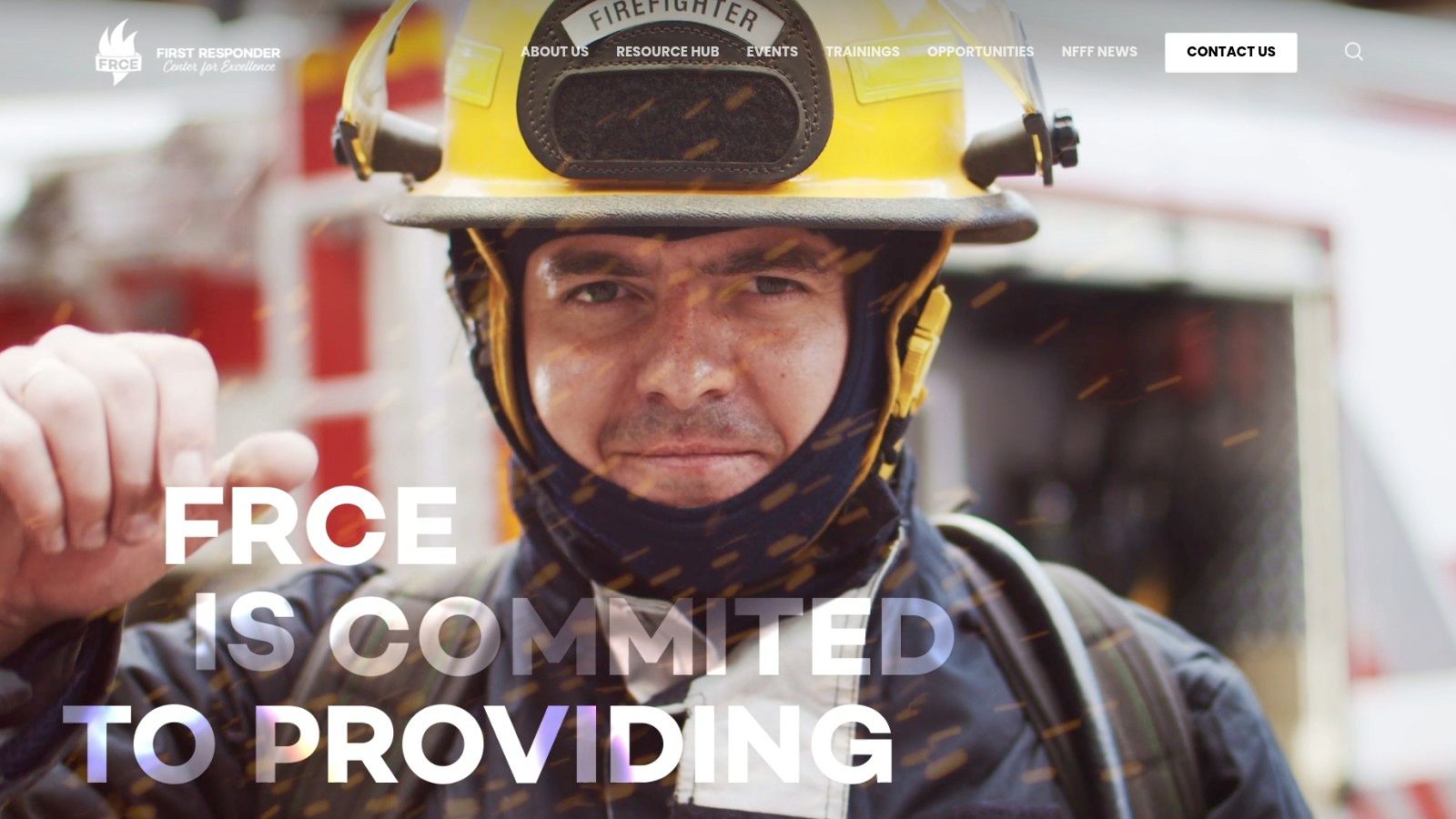
The First Responder Center for Excellence (FRCE) stands out for its focus on practical research and training programs that support first responders' physical and mental wellbeing. This makes it especially valuable for veterans moving into first responder roles or dealing with service-related health issues during claims processes.
Here are the key resources FRCE provides:
-
Research Resources: Scientific studies and reports on first responder health issues help veterans build stronger VA claims by providing evidence linking service to specific health conditions.
-
Training Programs: While program details vary, FRCE offers health and wellness training that gives veterans tools for managing stress during claims processes and beyond.
-
Health Initiatives: These programs promote active health management – particularly helpful for veterans with ongoing service-connected conditions who need to show they're taking steps to address their health.
-
Mental Health Support: Though program details are limited online, FRCE's behavioral health focus is crucial for veterans dealing with PTSD, depression and other mental health challenges common in service careers.
Advantages:
- Science-Based Approach: Programs and resources are built on solid research, making them reliable tools for veterans.
- Wide-Ranging Resources: FRCE covers many aspects of first responder health in one place.
- Current Information: Ongoing research ensures veterans have access to the latest findings.
Limitations:
- Membership Requirements: Some resources need membership access, which may involve costs.
- Indirect Support: FRCE focuses on education rather than direct services, so veterans may need additional support programs.
Website: https://www.firstrespondercenter.org/
Using FRCE Effectively: Check FRCE's research section for studies that support your specific claim conditions. This data can strengthen your case for service connection or help with appeals. For mental health needs, combine FRCE's educational resources with professional care for complete support. This gives you both the knowledge and treatment needed for recovery.
6. All Clear Foundation
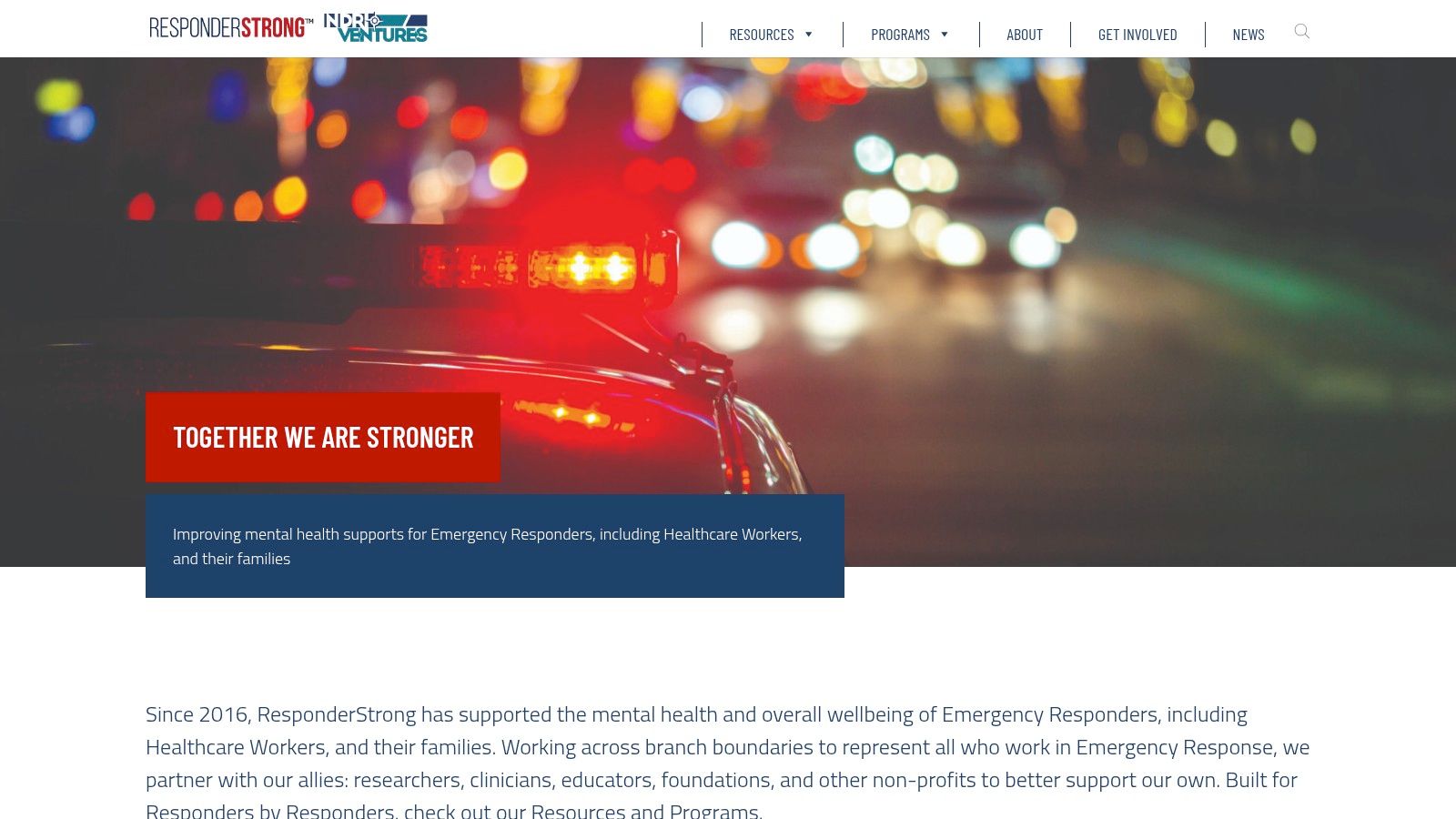
The All Clear Foundation provides essential mental health support and resources for first responders. Their work focuses on meeting the specific needs of veterans transitioning to civilian life and those managing work-related injuries or toxic exposure cases.
The foundation makes support accessible to everyone. While some specialized programs need registration, most of their resources, including their digital database, are free to use. This helps veterans who are working through VA appeals, medical claims, or workers' compensation cases during financially challenging times.
Key Programs:
- ResponderStrong Mental Health Curriculum: This research-backed program gives first responders practical tools for stress management and mental wellness. It's especially helpful for those dealing with PTSD, anxiety, or depression from service-related trauma.
- Digital Resource Database: A central hub offering quick access to articles, videos, and support organizations. Veterans can find specific information about toxic exposure conditions, support groups, and compensation claims.
- Support Network: The foundation connects first responders to build community and understanding. This peer network helps veterans feel less alone during civilian transition and while handling complex legal matters.
- Wellness Tools: Digital resources that promote daily mental health practices. These tools help develop healthy ways to manage ongoing stress and adapt to civilian life.
Advantages:
- Easy-to-Use Digital Tools: Simple technology makes resources readily available
- Complete Resource Library: One place for all mental health and wellness information
- No-Cost Access: Most resources available without payment
Limitations:
- Account Required for Some Features: Certain specialized programs need registration
- Resource Coverage Varies: Support options may differ by location
Getting Started:
Begin by exploring the free resources in the digital database. If specific programs like ResponderStrong match your needs, create an account for full access to those features.
How It Compares:
The All Clear Foundation stands out by combining practical training, technology, and community support. Their focus on making resources widely available and offering extensive information makes them valuable for veterans and first responders seeking help.
Website: All Clear Foundation
This organization delivers targeted support for first responders and veterans facing service-related mental health challenges. Their practical, accessible approach makes them an essential resource.
7. Share The Load Program
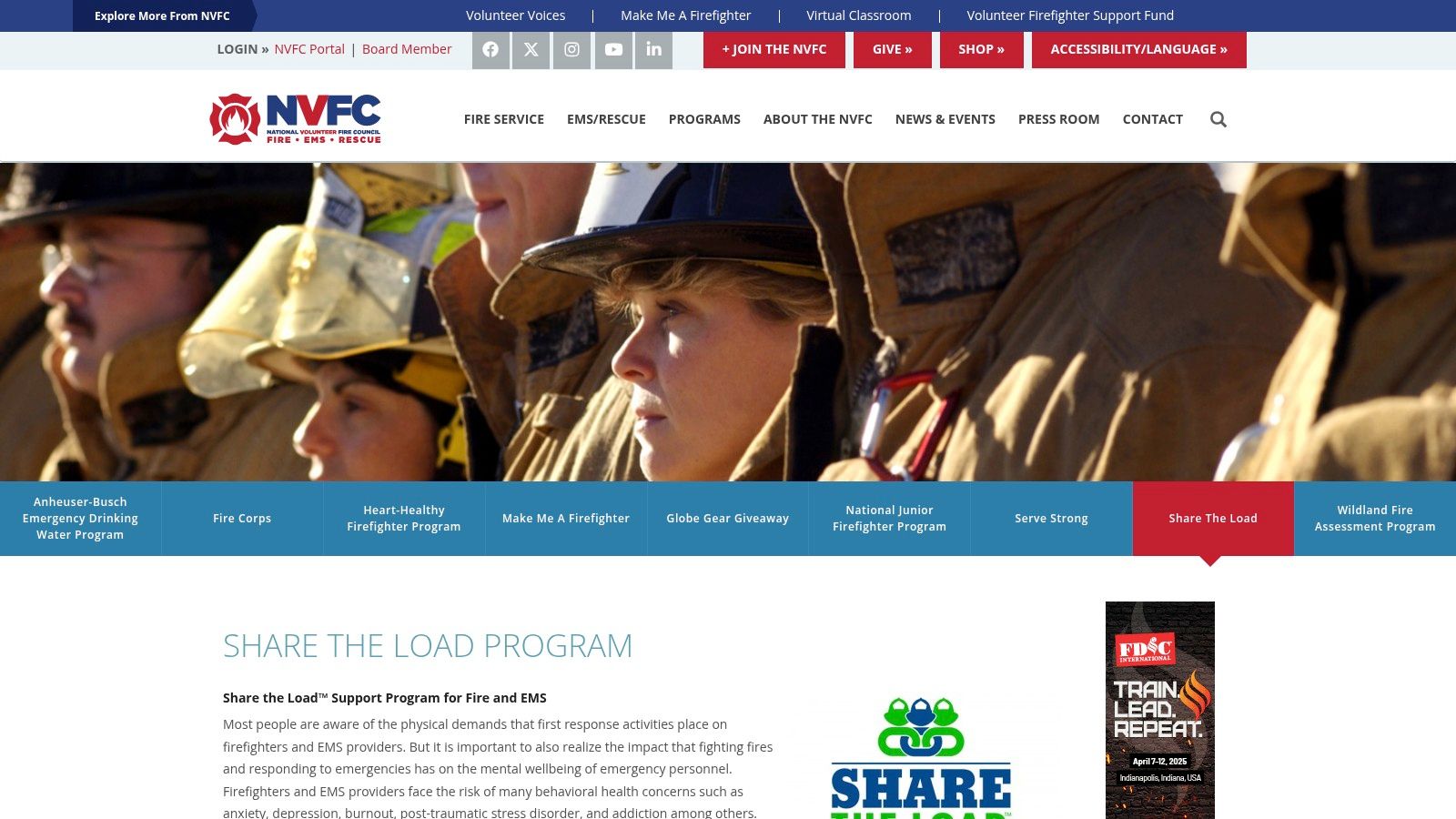
The National Volunteer Fire Council (NVFC) created the Share The Load Program to provide essential mental health support for fire and EMS personnel. This program stands out by offering specialized behavioral health resources that address the unique stresses and trauma experienced by first responders.
The program includes several key components designed to support fire and EMS personnel:
- 24/7 Support Line: Confidential crisis support available any time, day or night
- Helpletter Newsletter: Regular updates with coping strategies and mental health resources
- Training Materials: Educational content to help identify and address behavioral health challenges
- Professional Directory: Connects members with therapists who understand first responder needs
Benefits:
- Specialized Support: Resources specifically created for fire and EMS personnel
- No Cost Access: All program materials and support are provided free of charge
- Full Resource Suite: Offers immediate crisis help, ongoing education, and professional referrals
Limitations:
- Specific Focus: Resources primarily target fire/EMS personnel rather than broader veteran needs
- Referral-Based: Does not provide direct counseling, but connects users to qualified professionals
How to Access:
Getting started with Share The Load is simple – visit the NVFC website to explore resources and access the support line. Fire and EMS departments can help by sharing information about this program with their personnel.
For veterans and first responders who have served in fire and EMS roles, Share The Load provides essential mental health support. While its focus is specific, the program excels at addressing the unique challenges faced by fire service and emergency medical personnel, giving them access to the specialized help they need.
8. Responder Strong
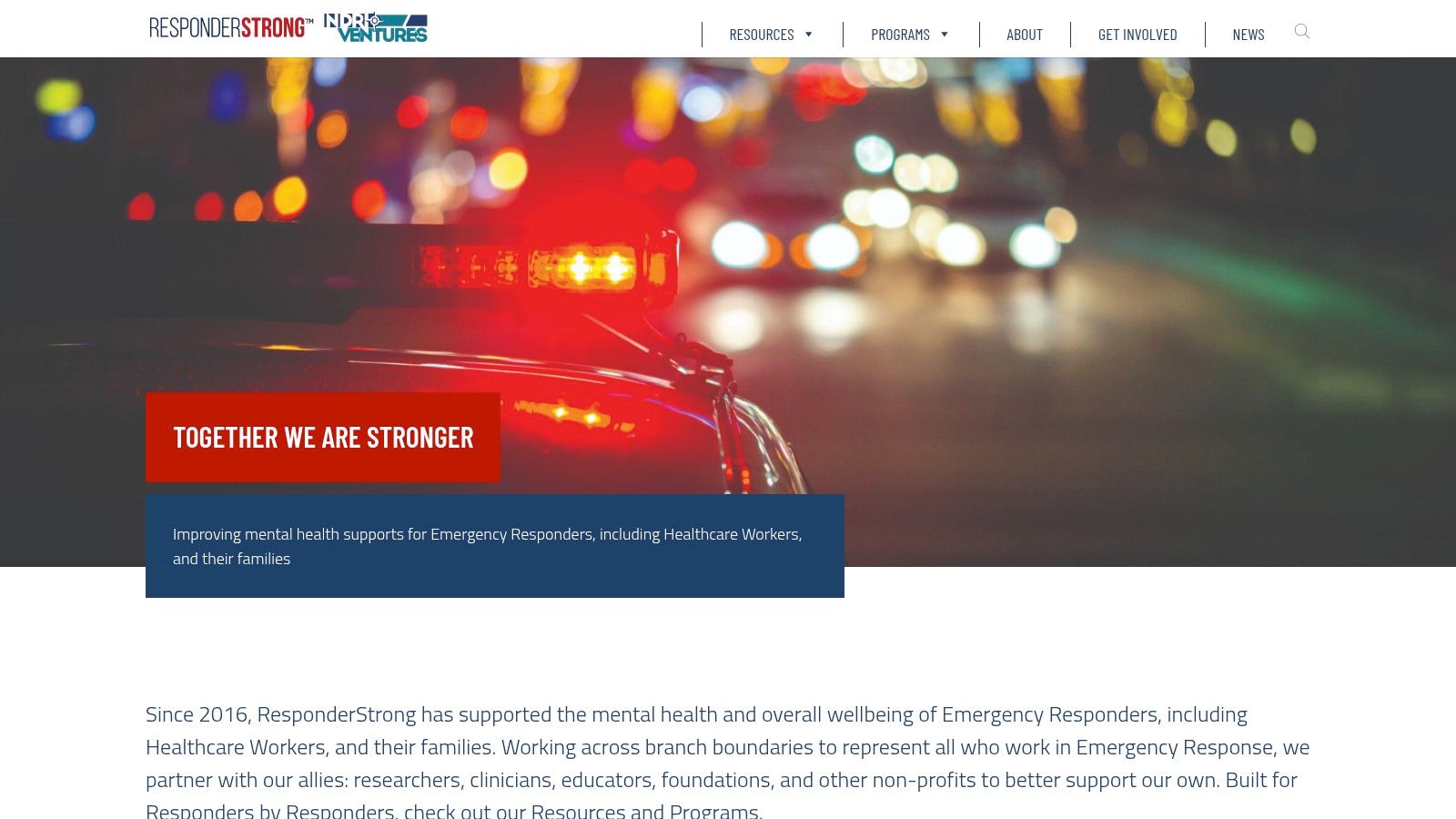
Responder Strong stands out for its focus on mental health support designed specifically for emergency responders, including veterans who have moved into first responder roles. The program addresses key challenges like work injuries, toxic exposure, and daily job stress through proven, research-backed methods.
Built around the unique needs of first responders, Responder Strong offers several core features:
- Mental Health Training: Practical programs covering stress management, trauma coping, and other essential skills – especially helpful for veterans dealing with PTSD while working as first responders
- Self-Assessment Tools: Easy-to-use resources that help track mental wellbeing over time and identify when professional support may be needed
- Peer Support Networks: Connections with others who understand first responder challenges, creating valuable community support for veterans already using military peer networks
- Family Resources: Support services for family members dealing with the combined effects of service-related issues and first responder career demands
Key Benefits:
- Complete Wellness Focus: Addresses mental health through multiple proven approaches
- Research-Based Methods: Programs built on solid evidence and tested techniques
- Strong Peer Support: Active community that helps reduce isolation and mental health stigma
Important Considerations:
- Cost Structure: While basic resources are free, some advanced programs require payment (pricing varies by service)
- Location Limits: In-person support availability depends on your region – check local options first
Getting Started:
Begin by visiting the Responder Strong website to review available resources. Choose programs that match your specific needs, and reach out to their team with any questions about services in your area.
The program effectively bridges the gap between military service and first responder work, addressing both past trauma and current job demands. While costs and regional access should be considered, the evidence-based approach and peer support make it a valuable resource for veterans in emergency response roles.
Head-to-Head Comparison of Top 8 First Responder Mental Health Resources
| Method | Difficulty | Time Required | Results | Best For | Key Benefit |
|---|---|---|---|---|---|
| Code Green Campaign | Low complexity 🔄 | Immediate access ⚡ | Effective support 📊 | First responders | Peer network and free resources |
| First Responder Support Network (FRSN) | Moderate complexity 🔄 | Scheduled programs ⚡ | Evidence-based outcomes 📊 | Those needing trauma care | Specialized trauma and family support |
| Safe Call Now | Low complexity 🔄 | 24/7 immediate response ⚡ | Confidential help 📊 | Emergency personnel in crisis | Round-the-clock, private support |
| COPLINE | Low complexity 🔄 | Quick phone access ⚡ | Reliable peer advice 📊 | Law enforcement officers | Experienced, anonymous peer support |
| First Responder Center for Excellence | Moderate complexity 🔄 | Research-oriented pacing ⚡ | Comprehensive resources 📊 | Training-focused responders | Up-to-date research and educational tools |
| All Clear Foundation | Moderate complexity 🔄 | Flexible, self-paced ⚡ | Innovative digital aid 📊 | Tech-savvy first responders | Technology-driven resource database |
| Share The Load Program | Low complexity 🔄 | Responsive, free support ⚡ | Specialized fire/EMS aid 📊 | Fire and EMS personnel | Targeted behavioral health support |
| Responder Strong | Low-moderate complexity 🔄 | Self-paced mental fitness ⚡ | Holistic wellness 📊 | Emergency responders and families | Comprehensive mental health and wellness approach |
Taking Action: Supporting Our First Responders
A wide array of mental health support is now available for first responders, including confidential crisis hotlines, peer support networks, and educational programs. Different tools serve different needs – Safe Call Now and COPLINE provide critical crisis intervention, while organizations like the First Responder Support Network and All Clear Foundation offer ongoing connection and community. The Code Green Campaign and Responder Strong initiative deliver mental health education and advocacy specifically for first responders.
Start implementing these resources gradually in your organization. Open up conversations about mental health and share information about available support services. Consider organizing educational workshops focused on mental health awareness and coping strategies for your team.
Many of these resources are free or low-cost, though some have associated fees for membership or programs. Evaluate your budget and prioritize tools that align with your specific organizational needs and financial constraints.
Consider how new mental health resources will work with your existing support systems. Some options may naturally complement your current employee assistance programs, while others may require more effort to implement effectively.
Key Points to Remember:
- First responder mental health needs proactive attention and support
- Multiple resources exist to help address unique first responder challenges
- Select resources based on individual and organizational requirements
- Successful implementation requires planning and clear communication
The wellbeing of first responders is essential for our communities. These resources help create an environment where those who serve can also receive support. For comprehensive assistance with benefits, claims, financial planning and other critical needs, Homefront Group provides dedicated expert support for veterans and first responders. Their team helps navigate VA benefits, manage complex claims, and develop personalized financial strategies. Take their free 3-minute assessment to discover your qualifying benefits and begin building your success plan.