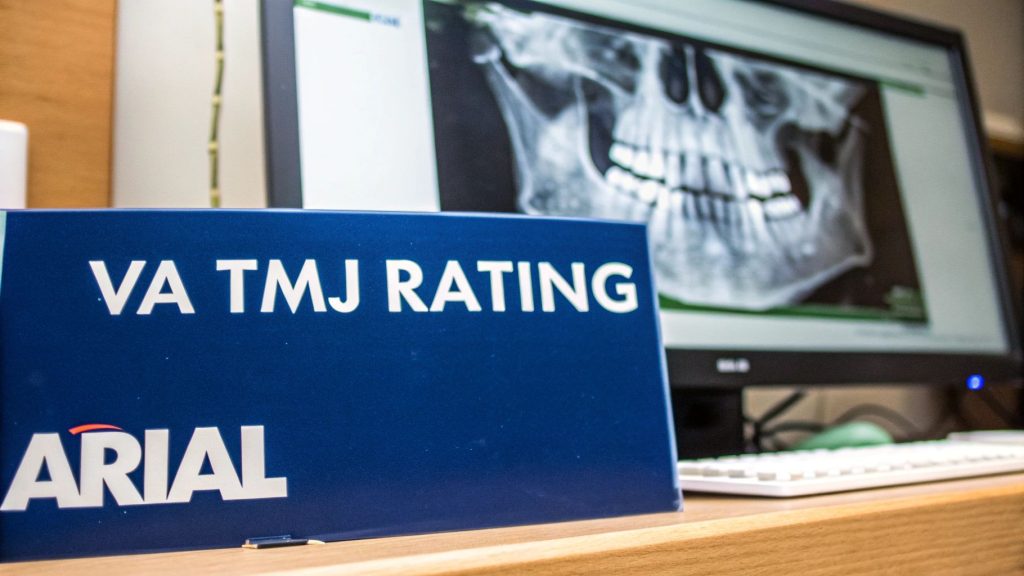

Understanding How VA Rates TMJ Disabilities

The VA has specific criteria for evaluating Temporomandibular Joint (TMJ) disorders. The rating system looks at two main factors: how well you can move your jaw and what types of food you can eat. In simple terms, more severe limitations in these areas typically result in higher disability ratings.
Measuring Jaw Movement for VA Rating
Medical professionals take precise measurements of your jaw mobility to determine your rating. They focus on two key measurements: interincisal range (IR) – how wide you can open your mouth, and lateral excursion range – how far you can move your jaw side-to-side. These measurements directly show how TMJ affects basic daily activities like eating and speaking.
Dietary Restrictions and Their Impact on Your Rating
The VA recognizes that TMJ can seriously limit what foods you can eat. If your condition forces you to eat only soft foods, liquids, or specially prepared meals, you may qualify for a higher rating. The VA understands that dietary restrictions due to TMJ can significantly impact your quality of life and factors this into their evaluation.
Under 38 CFR § 4.150, Diagnostic Code 9905, VA ratings for TMJ range from 10% to 50%. For example, you might receive a 10% rating if you can only move your jaw sideways 0-4 mm or open your mouth 30-34 mm, without needing modified foods. A 50% rating applies when jaw opening is limited to 0-10 mm and you can only eat mechanically altered foods. For more details, visit VetClaim Solutions' guide to TMJ disability claims.
Understanding Diagnostic Code 9905
Diagnostic Code 9905 is the VA's framework for evaluating TMJ claims. This code considers both physical limitations and practical impacts like dietary needs. For instance, if you have limited jaw movement and need a liquid diet, you'll likely receive a higher rating than someone with similar movement issues who can still eat solid foods. This approach helps ensure ratings accurately reflect how TMJ affects veterans' daily lives.
Building a Strong Case for TMJ Benefits

Getting VA benefits for TMJ requires careful preparation and strong supporting evidence. The first key step is understanding how to prove your TMJ is connected to your military service. Most commonly, this happens through direct service connection – like a documented jaw or head injury during service. However, TMJ can also develop as a secondary condition from other service-connected issues like PTSD or teeth grinding (bruxism).
Building your case starts with thorough medical documentation and a clear link between your TMJ and military service. The foundation is a detailed nexus letter from your healthcare provider explaining this connection. For a deeper understanding of TMJ ratings, check out the VA disability rating guide.
Essential Documentation for Your TMJ Claim
A strong claim package needs specific types of evidence that work together to support your case. Here's what to include:
- Medical Diagnosis: Get a clear diagnosis from a qualified doctor documenting your TMJ
- Service Connection: Medical records showing when and how the condition began
- Ongoing Treatment: Records showing continuous symptoms and care over time
Avoiding Common Pitfalls
Many veterans face setbacks in their TMJ claims due to preventable mistakes. Watch out for:
- Missing Records: Make sure you have complete medical documentation, including all test results and treatments
- Late Submissions: Pay attention to deadlines, especially for Fully Developed Claims that can speed up processing
Strategizing for Different Service Connections
Each TMJ case needs its own approach based on how it connects to your service. For direct service connections, focus on documenting the initial injury and showing how symptoms continued. For secondary claims, clearly explain how your primary condition led to TMJ. Build your evidence around these specific circumstances.
Take time to develop a complete and organized claim package for your TMJ condition. A well-prepared case helps VA evaluators understand and properly rate your disability. For guidance specific to your situation, consider reaching out to Homefront Group for expert assistance with your claim.
Maximizing Your Rating Through Dietary Documentation

Getting an appropriate VA rating for TMJ requires more than just documenting jaw mobility – you also need clear evidence of how the condition affects your ability to eat. Proper documentation of your dietary limitations can significantly impact your final rating.
Understanding the VA's Perspective on Dietary Limitations
The VA has a specific way of evaluating how TMJ affects eating abilities. They look at three main food categories: everyday foods (normal diet), mechanically altered foods (blended/chopped), and liquid foods. Each category helps determine how severely TMJ impacts your daily life and influences your disability rating accordingly.
Documenting Your Dietary Restrictions: A Key to a Higher Rating
Strong documentation makes a real difference in your claim's success. Rather than just noting general eating difficulties, work with your doctor to create detailed records linking your TMJ directly to specific food limitations. Keep track of which foods cause pain, what modifications you need to make foods edible, and how your eating habits have changed over time.
The VA pays close attention to dietary needs when determining ratings. For example, veterans can receive a 40% disability rating if they have a maximum unassisted vertical opening of 11-20mm and must eat only mechanically altered foods, or if they have an opening of 21-29mm and require liquid/pureed foods. Learn more details about rating criteria at CCK Law.
Working With Your Healthcare Provider
Your doctor plays an essential role in documenting your TMJ-related food restrictions. Make sure they understand how the VA evaluates dietary limitations and can properly record your specific challenges. Be detailed about which foods you can and cannot eat, and discuss how these restrictions affect your nutrition and daily life.
Tracking and Documenting for Success
Create a consistent system to track your dietary challenges:
- Keep a daily food journal noting pain levels with different foods
- Take photos of modified meals to show necessary food alterations
- Document all food-related discussions with your healthcare providers
- Note any weight changes or nutritional concerns
Thorough documentation of both your dietary needs and jaw mobility provides the VA with clear evidence of your TMJ's impact. This comprehensive approach helps ensure you receive an appropriate rating that reflects your condition's true severity. For help building a strong case, consider reaching out to Homefront Group for guidance.
Creating Compelling Medical Evidence Packages
Getting the right VA rating for TMJ (Temporomandibular Joint) disorders requires putting together strong medical documentation that clearly shows how the condition affects you. A well-organized evidence package that includes detailed medical records and measurements is key to a successful claim.
Strategies for Effective Documentation
Your evidence package needs to include several key elements to properly demonstrate your TMJ condition:
- Medical Records: Get complete records showing how your symptoms have developed over time and what treatments you've received
- Test Results: Include imaging results and measurements of jaw movement range, which show the physical limitations
- Expert Opinions: Obtain detailed evaluations from specialists like maxillofacial doctors who can thoroughly assess your condition
Keeping a symptom diary also helps track how TMJ impacts your daily activities, from eating difficulties to pain levels and speaking challenges.
Working With Your Healthcare Team
Success often comes down to good communication with your medical providers. Make sure they include detailed notes about:
- Jaw Movement: Ask them to measure and document how far you can open your mouth and move it side-to-side using standard methods
- Food Restrictions: Have them note any changes in what foods you can eat, as this affects your rating
Using Templates and Checklists
Stay organized by using checklists to track your documentation. Key items to include:
- Results from all diagnostic tests
- Timeline of symptoms in medical records
- Reports from both primary doctors and specialists
- Notes about how TMJ limits your daily activities and diet
Presenting Your Evidence Effectively
Organize everything in a clear order that's easy to follow. Start with your strongest evidence and use headers to guide reviewers through the documentation. Connect each piece directly to the VA's TMJ rating requirements to show how your symptoms qualify for benefits.
Conclusion
Building a complete medical evidence package for your VA rating for TMJ takes careful work, but it's essential for getting the benefits you deserve. When you combine thorough documentation, expert medical opinions, and clear organization, you create a strong case that shows the real impact of your TMJ condition. For help putting together the strongest possible package, contact Homefront Group – their veterans' claims experts can guide you through each step.
Navigating the Claims Process With Confidence
Filing a successful VA claim for TMJ requires understanding key steps and staying organized throughout the process. By taking a methodical approach and knowing what to expect, you can submit a strong claim package that clearly demonstrates your condition's connection to military service.
Choosing the Right Claim Type: Standard vs. Fully Developed Claim
The VA offers two main options for filing claims: standard claims and Fully Developed Claims (FDC). While standard claims follow the traditional path, FDCs can lead to faster processing when you submit all evidence upfront. With an FDC, you'll need to gather your medical records, nexus letters, and supporting documents before filing. Taking time to compile a complete package through the FDC process often means a shorter wait for a decision.
Organizing Your Evidence Package for Maximum Impact
Your evidence needs to tell a clear story about your TMJ condition and its link to your service. A well-organized package helps VA reviewers easily follow your case.
Key components should include:
- Cover Letter: A brief overview explaining your claim and key evidence
- Medical Records: Time-ordered documentation of your TMJ diagnosis and treatment
- Nexus Letter: Medical opinion connecting your TMJ to military service
- Dietary Logs: Records showing food restrictions from TMJ (if applicable)
- Supporting Statements: Letters from family/friends describing TMJ's impact
Tracking Your Claim and Responding Promptly
After submitting your claim, stay engaged by monitoring its status through the VA website or representatives. Quick responses to any VA requests keep your claim moving forward. For example, if they need clarification on medical records, provide that information right away rather than letting it delay the process.
Maintaining Communication and Seeking Assistance
Don't hesitate to ask for help navigating the claims system. Veterans Service Organizations (VSOs) and VA-accredited attorneys like those at Homefront Group offer valuable guidance. They can review your claim package, ensure it's complete, and advocate for your interests. Consider scheduling a free consultation to discuss your specific case and get expert advice on next steps.
By understanding the process, organizing evidence effectively, and staying responsive to VA communications, you can build a strong claim for your VA rating for TMJ. Taking these practical steps helps establish your case and increases the likelihood of a positive outcome.
Post-Decision Strategy: Understanding Your Options
When you receive a decision on your VA claim for TMJ, you'll need a clear understanding of your next steps. Whether you got the rating you hoped for or not, knowing your options helps you take the right actions to protect your benefits.
Interpreting Your VA Rating Decision
Your decision letter includes your VA rating for TMJ and explains how the VA reached that number. The rating determines your monthly payment amount. Check how your assigned rating matches up with the official criteria in Diagnostic Code 9905, focusing on specific measurements of your jaw movement and any food restrictions. For instance, if you need soft foods and have limited jaw opening, you may qualify for a higher rating than jaw limitations alone.
Options for a Favorable Decision: Maintaining and Increasing Your Rating
A positive decision is excellent news, but you may need to take additional steps as your condition evolves. Here's what to consider:
- Maintaining Your Rating: See your doctor regularly to document how TMJ affects you. This creates an ongoing record that supports your current rating.
- Seeking an Increased Rating: If your TMJ gets worse, keep detailed notes about increased pain, reduced movement, and new dietary needs. Make sure your medical records clearly show these changes. Good documentation is essential when asking the VA to review your VA rating for TMJ.
Options for an Unfavorable Decision: The Appeals Process
Don't lose hope if your claim is denied or rated lower than expected. You have several ways to appeal:
- Gathering Additional Evidence: Build a stronger case with new medical exams, specialist opinions (like from maxillofacial surgeons), or a detailed nexus letter connecting your TMJ to your service time.
- Working with Veterans Advocates: The appeals system can be tricky to handle alone. Consider getting help from accredited veterans service officers or VA claims attorneys who understand VA rating for TMJ appeals inside and out.
- Understanding the Appeals Timeline: Appeals take time and patience. Learn the deadlines and requirements for each appeal level to protect your rights.
Whether you're happy with your rating or planning to appeal, knowing your options is key to getting fair compensation. Your VA rating for TMJ should accurately reflect how this condition impacts your daily life.
For expert guidance on VA claims and appeals, reach out to the team at Homefront Group. Their experienced advocates and attorneys can help you work toward the best possible outcome for your case.