
Maximizing Your Disability Benefits and Rating Potential
The disability benefits system for veterans in North Carolina can seem overwhelming at first. However, with a clear understanding of how ratings work and the right approach to documentation, you can ensure you receive the full benefits you've earned through your service. Let's explore practical ways to navigate this system effectively and maximize your potential benefits.
Understanding the Disability Rating System
The VA evaluates service-connected disabilities using a percentage-based scale from 0% to 100%, increasing in 10% increments. Each percentage level reflects how much your disability impacts your daily life and determines your monthly compensation. For example, a 10% rating indicates a relatively minor impairment, while a 100% rating shows that your disability severely affects your ability to work and handle daily tasks. This systematic approach helps ensure fair compensation based on how much your service-connected conditions affect your life.
Documenting Your Service-Connected Conditions
Strong documentation forms the foundation of every successful disability claim. Think of building your case like presenting evidence in court – you want to provide clear, detailed proof of how your service affected your health. Essential documents include your medical records, service records, and personal statements describing how your conditions impact your daily life. Getting statements from fellow service members who witnessed your injuries or health changes can also strengthen your case significantly. These firsthand accounts help paint a complete picture of your service-connected disabilities.
Strategies for Maximizing Your Rating
Getting an accurate disability rating requires a thorough presentation of how your conditions affect you. Be sure to document all your service-connected conditions – even those that seem minor can contribute to your overall rating when combined with other disabilities. When describing your conditions, be specific about how they limit your ability to work, complete everyday tasks, and participate in social activities. Focus on providing detailed, truthful information about your limitations. Remember that honest, accurate reporting is essential throughout the claims process.
Accessing Additional Support for Higher-Rated Disabilities
Veterans with higher disability ratings can access more comprehensive benefits through North Carolina's veterans services. For the 121,152 North Carolina veterans with ratings of 70% or higher, these enhanced benefits can include specialized medical care, equipment for daily living, job training programs, and financial assistance. Take time to research what specific programs you qualify for based on your rating level. Understanding and using these additional benefits can make a real difference in your quality of life and financial security. The key is knowing what's available and taking steps to access the support you've earned.
Unlocking Educational Opportunities and Career Growth
After military service, finding rewarding civilian work is a key priority for veterans. North Carolina supports this goal through state-specific benefits that complement federal programs like the GI Bill, giving veterans access to educational and career resources that can help them succeed in their post-military lives.
Maximizing Your GI Bill and Other Federal Benefits
While the GI Bill provides core educational funding, there are important ways to optimize its use in North Carolina. By combining the GI Bill's housing allowance with in-state tuition rates, veterans can significantly lower their total education costs. Programs like the Yellow Ribbon Program help cover tuition beyond GI Bill limits. Taking time to understand these options lets veterans make the most of their benefits.
Tapping into North Carolina's Unique Educational Advantages
North Carolina offers additional education support beyond federal programs. The NC Scholarship for Wartime Veterans' Children provides substantial financial aid to help veterans' children attend college – a meaningful benefit for military families focused on both the veteran's and children's education. Public institutions also offer specific tuition waivers that can eliminate or reduce costs, helping veterans pursue degrees without taking on major debt.
Transitioning Your Military Skills to Civilian Careers
While switching from military to civilian work presents challenges, North Carolina provides key resources to ease this change. Veterans receive hiring preference for state government positions at all levels, acknowledging their valuable service experience. Programs across North Carolina also help veterans identify transferable skills and effectively present them to employers, making job searches more focused and successful.
Planning for Long-Term Career Growth and Development
Getting an education and initial job is just the start – ongoing career development matters too. North Carolina supports veterans' long-term success through networking events at veteran-friendly companies where they can connect with mentors. Specialized training aligned with in-demand fields gives veterans competitive advantages. By using these resources alongside their military background, veterans can build fulfilling civilian careers in North Carolina.
Building Your Civilian Career Success Story
Military veterans face unique challenges transitioning to civilian careers, and North Carolina provides valuable benefits and resources to help create a smooth adjustment into the civilian workforce. The state offers comprehensive support that can significantly boost veterans' success in this new phase of their professional lives.
Translating Military Skills to Civilian Opportunities
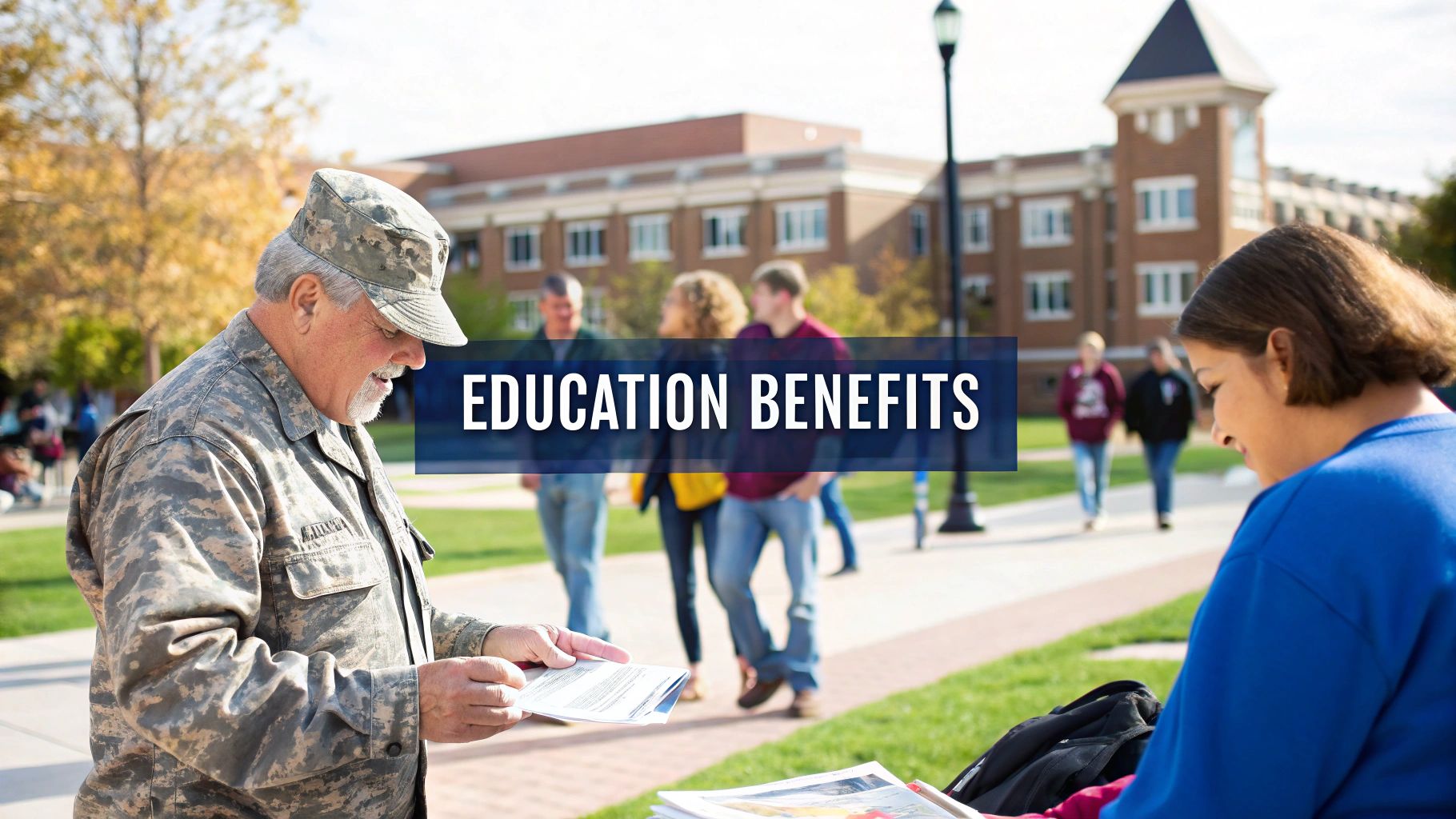
The foundation of a successful civilian career starts with understanding how military experience applies to civilian jobs. Skills developed during service, such as leadership, teamwork, and problem-solving, are highly valued in the business world. For example, experience leading teams under pressure directly relates to project management roles in the corporate sector. North Carolina provides specialized workshops and counseling to help veterans identify these transferable abilities and present them effectively to potential employers. This support ensures veterans can showcase their valuable experience in ways that resonate with hiring managers.
Leveraging State of NC Veterans Benefits for Employment
North Carolina makes it easier for veterans to secure state government positions through specific hiring advantages. Veterans receive preference points during the state hiring process, which gives them a meaningful edge over other candidates. The state also facilitates networking opportunities with veteran-friendly companies, creating valuable connections between veterans and potential employers who understand and value their unique background.
Accessing Training and Education for Career Advancement
Professional growth requires ongoing learning, and North Carolina supports veterans' educational needs beyond initial job placement. The state provides specialized training programs in growing industries, helping veterans develop skills that match current market demands. For instance, veterans with military logistics experience can pursue additional certifications in supply chain management to expand their career options. These educational opportunities allow veterans to stay competitive as industries evolve.
Salary Negotiation and Long-Term Career Planning
Understanding your worth and planning for growth are essential parts of career development. North Carolina offers veterans specialized guidance on salary negotiations to ensure fair compensation for their skills and experience. The state also provides resources for creating personalized career roadmaps, helping veterans set clear goals and identify specific steps needed to achieve them. Through this combination of practical support in skill translation, hiring advantages, focused training, and career development tools, North Carolina demonstrates its dedication to helping veterans build rewarding civilian careers that capitalize on their military experience while opening doors to new opportunities.
Optimizing Your Financial and Property Benefits

Many veterans focus on building strong financial foundations after completing their military service. North Carolina offers valuable financial and property benefits specifically designed to support veterans and their families. These programs can make a real difference in a veteran's financial stability and quality of life.
Property Tax Exemptions: Reducing Your Burden
One of North Carolina's most helpful veteran benefits is the property tax exemption program. Qualifying disabled veterans can receive significant reductions on their property taxes, with 100% disabled veterans eligible for complete exemption on their primary residence. For many veterans, this translates to thousands of dollars in annual savings that can be directed toward other essential needs like healthcare or retirement planning. The state extends this benefit to surviving spouses of eligible veterans, helping families maintain financial stability.
Exploring Pension Programs and Financial Assistance
North Carolina provides dedicated pension programs for eligible National Guard veterans, offering steady monthly payments to supplement other retirement income. This benefit is especially important for veterans who moved into civilian jobs with limited retirement options. The state also maintains various financial assistance programs to help veterans handle specific challenges, from emergency housing needs to unexpected medical costs. These resources serve as a crucial safety net during difficult times.
Utilizing Special Designations and Privileges
Beyond direct financial support, North Carolina offers veterans several practical privileges that add value to daily life. Veterans can access special vehicle license plates and tags, often at reduced or no cost – a small but meaningful saving over time. They also enjoy recreational perks like free or discounted entry to state parks and fishing licenses, making it easier to enjoy outdoor activities and maintain an active lifestyle.
Maximizing Your Overall Financial Health
Smart veterans often combine multiple state benefits to create strong financial security. A disabled veteran might use property tax exemptions alongside state pension payments and recreational benefits to strengthen their financial position and improve their quality of life. While these programs can significantly boost a veteran's financial wellbeing, understanding and accessing them takes effort. Veterans should take time to research available benefits and work with veteran service organizations or financial advisors who understand military benefits. This focused approach helps ensure veterans can use all available resources effectively and make sound long-term financial decisions.
Navigating Healthcare Options and Support Services
Military veterans transitioning to civilian life face important decisions about their healthcare coverage. Understanding how to effectively use North Carolina veterans benefits alongside federal VA services helps ensure comprehensive medical care. Here's what NC veterans need to know about combining and maximizing their healthcare options.
Combining VA and State of NC Resources
While the Department of Veterans Affairs provides core healthcare services, North Carolina offers additional programs that fill important gaps. For example, state-specific mental health services focused on PTSD from particular deployments complement standard VA care. By understanding both federal and state benefits, veterans can access more complete care tailored to their needs.
Accessing Specialized Care and Mental Health Support
North Carolina provides several programs that work alongside VA benefits for veterans requiring specialized treatment. The state offers substance abuse programs designed with military experiences in mind. For mental health needs, North Carolina partners with local organizations to provide additional support beyond VA services. These local resources often mean faster access to care in your community.
Choosing the Right Healthcare Coverage
Selecting optimal healthcare coverage requires understanding how different plans work together. Veterans eligible for both VA healthcare and Medicare can coordinate these benefits – similar to having primary and secondary insurance – to minimize out-of-pocket costs. Taking time to learn how VA plans, Medicare, Medicaid and private insurance interact helps veterans make informed choices about their coverage.
Emergency Care and Long-Term Care Planning
Having a clear plan for emergency care access is essential, especially for veterans in rural areas who may need to use local emergency rooms instead of VA facilities. Looking ahead to future healthcare needs is also important. North Carolina provides resources to help veterans evaluate long-term care options like assisted living and in-home care, often working with VA benefits for comprehensive coverage. To help navigate these choices, veterans can connect with local veteran service organizations or VA healthcare navigators who understand specific programs, eligibility requirements, and application processes. Their guidance makes it easier to access and coordinate available healthcare services.
Fast-Track Your Benefits Application Process
Getting your NC veterans benefits doesn't have to be complicated. With the right approach and preparation, you can submit strong applications that move smoothly through the system. Here are proven strategies from successful applicants and veteran service officers to help you access your benefits efficiently.
Gathering Compelling Documentation: Building Your Case
Strong documentation forms the foundation of any successful benefits application. Start by collecting essential records like your DD-214 discharge papers and medical documentation of service-connected conditions. Personal statements describing how disabilities affect your daily activities add important context and strengthen your case. Think of each document as evidence that helps paint a clear picture of your situation and needs.
Navigating Digital Systems and Online Portals
Most NC veterans benefits can now be requested through online systems. While submitting applications electronically is convenient, it requires familiarity with different platforms. Take time to explore the VA's website for federal benefits and the NC Department of Military and Veterans Affairs portal for state programs. Learning these systems upfront will make the process much smoother.
Accessing Free Professional Assistance Across North Carolina
You don't have to tackle benefits applications alone. Free expert help is available throughout North Carolina from trained professionals who understand the system. County veteran service officers can guide you through paperwork, assist with documentation, and submit claims. Many non-profit veterans organizations also provide valuable support services at no cost. These experienced advocates can help you avoid common pitfalls and strengthen your applications.
Managing Multiple Benefit Applications Simultaneously
If you qualify for several benefits, applying for them concurrently can be efficient – but requires good organization. Create a simple tracking system using a spreadsheet or notebook to monitor deadlines, required documents, and communications for each application. For example, keep separate tabs for disability claims and education benefits to ensure nothing falls through the cracks. Staying organized helps you successfully pursue all the NC veterans benefits you've earned.
Do you need expert guidance with VA claims, toxic exposure benefits, or other veteran-specific legal matters? Connect with Homefront Group today for a free consultation and learn how their team of veteran advocates can help secure the support you deserve. Homefront Group specializes in empowering veterans and first responders with focused legal and professional services for their unique needs.