
The Reality Behind Burn Pit Exposure Stories
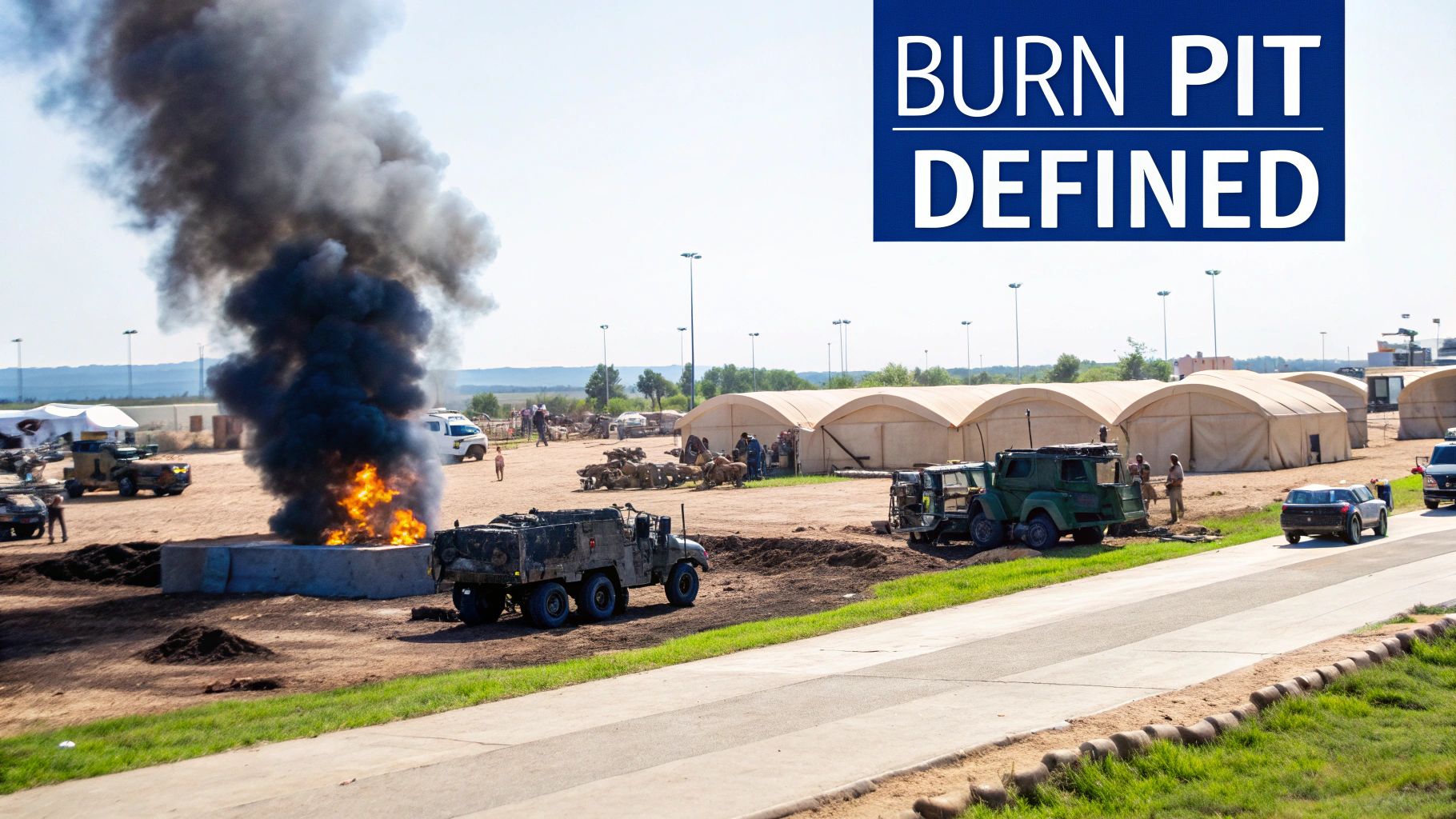
Imagine a bonfire. The crackling flames, the warmth on your face… Now, replace that comforting wood smoke with the acrid sting of burning plastic, medical waste, and jet fuel. That, sadly, was the daily reality for many troops in Iraq and Afghanistan. These weren't cozy campfires; they were burn pits – enormous, open-air dumps where virtually anything and everything was incinerated.
These burn pits burned 24/7, creating a perpetual haze of toxic fumes. Think about it: batteries, tires, human waste, even amputated limbs were tossed into these infernos. The result? A dangerous cocktail of chemicals released into the air our service members breathed day in and day out. For those stationed nearby, avoiding exposure was impossible. It clung to their clothes, seeped into their living quarters, and ultimately, settled in their lungs.
The Devastating Health Consequences
This constant exposure has had devastating consequences. Many veterans now grapple with respiratory problems like asthma and bronchitis. Even more alarming are the cases of rare cancers and debilitating neurological conditions. For those who lived through it, the link between these health issues and burn pit exposure is clear.
The Staggering Scale of the Problem
The sheer scale of this issue is hard to grasp. Burn pits have become a major concern, especially for veterans of the Iraq and Afghanistan wars. The U.S. Department of Veterans Affairs (VA) recognized this and established the Airborne Hazards and Open Burn Pit Registry in 2014. By December 31, 2019, the registry had 191,044 participants, and a shocking 178,604 (92.6%) reported burn pit exposure. This underscores just how widespread this problem truly is. Discover more insights about burn pit compensation.
The Fight for Recognition and Justice
The stories from veterans who lived near these burn pits are heartbreaking. They talk about persistent coughs that never seem to fade, debilitating migraines, and the ever-present fear of a life-threatening illness. These aren't just stories; they're the fuel behind the growing number of burn pit lawsuits across the country. Understanding the reality of burn pit exposure is essential to understanding these legal battles. These lawsuits represent a fight for recognition, for adequate medical care, and for justice for those who served and now face life-altering health challenges.
Navigating The Complex World Of Burn Pit Claims
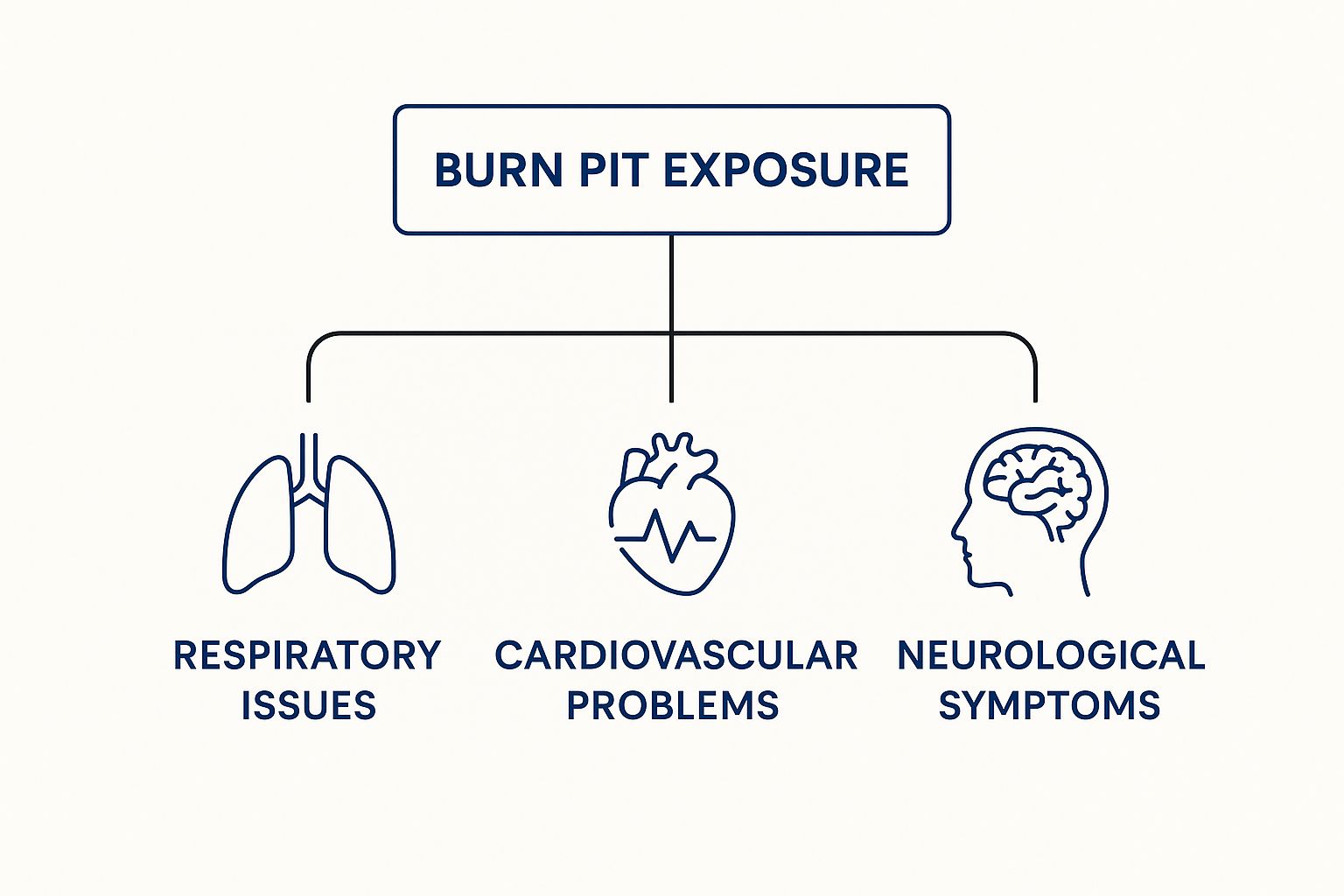
This infographic illustrates the connection between burn pit exposure and some serious health problems. The visual representation clearly links exposure to respiratory issues, cardiovascular problems, and even neurological symptoms. Understanding these potential health conditions is the first step for anyone considering a burn pit claim. Coping with these health challenges can be stressful, and some find solace in creative outlets like therapeutic coloring.
Understanding Your Legal Options
Think of a burn pit claim not as a single path, but more like a choose-your-own-adventure book. Several different legal routes exist, each with unique rules and potential outcomes. This complexity stems from the overlapping layers of law involved: federal statutes, military regulations, and contractor liability. Your status—whether you're a veteran, active duty, or a contractor—determines which paths you can take.
For instance, a veteran might pursue a VA disability claim, while a contractor might file a federal lawsuit. Sometimes, the best strategy involves pursuing both options at the same time. This dual approach can potentially maximize compensation and provide more than one avenue for relief.
Let's take a closer look at the legal pathways available in the table below. It compares the different routes veterans and contractors can take to seek compensation for burn pit-related illnesses.
Legal Pathways for Burn Pit Claims
| Claim Type | Eligible Parties | Time to Resolution | Potential Compensation | Key Requirements |
|---|---|---|---|---|
| VA Disability Claim | Veterans | Varies (can be lengthy) | Monthly payments, healthcare benefits | Service connection (proving a link between military service and the condition) |
| Federal Lawsuit | Veterans and Contractors | Can take years | Varies depending on the specific case | Proving negligence on the part of the government or contractors |
| State Lawsuit (in some states) | Veterans and Contractors | Varies depending on the state | Varies depending on the specific case | Proving negligence and meeting state-specific requirements |
This table highlights the important distinctions between each claim type, the eligibility criteria, and the potential outcomes. Understanding these differences is crucial for making informed decisions about your legal strategy.
The Role of Government Contractors
Government contractors, the companies that built and operated these burn pits, are now key figures in many lawsuits. Their responsibility for creating and maintaining these hazardous sites makes them targets for litigation. A core element of many lawsuits revolves around proving their negligence in waste disposal practices.
The Challenge of Proving Causation
One of the biggest challenges in a burn pit claim is proving causation: the direct link between exposure and a specific health condition. Some illnesses, like respiratory problems, are more easily connected to burn pit exposure than others. That’s why robust scientific evidence is so important.
Attorneys specializing in these cases often work with medical experts to establish this connection. They carefully analyze medical records, conduct thorough tests, and present compelling evidence demonstrating how the toxic fumes from burn pits directly led to a person’s health problems. This can be a complex process, especially when dealing with conditions that appear years, or even decades, after exposure. This underscores the importance of seeking experienced legal help when pursuing a burn pit claim. Navigating this intricate legal landscape demands a thorough understanding of the relevant laws, regulations, and scientific evidence. With the right support, veterans and contractors can effectively pursue the compensation they may be entitled to.
How The PACT Act Changed Everything For Veterans

Imagine navigating a maze, blindfolded, for years. You keep bumping into walls, unsure of the way forward. Then, suddenly, someone turns on the lights. That's what the PACT Act has done for many veterans struggling with illnesses connected to burn pit exposure. It’s not just about expanded benefits; it’s about a fundamental shift in how the system treats these claims. It’s about finally acknowledging the sacrifices made and making it easier for veterans to get the care they deserve.
Before the PACT Act, veterans often faced an uphill battle. They had to prove, with near certainty, the direct link between their illness and their time in service. Now, for specific conditions, that link is presumed. This removes a massive hurdle for veterans, making the claims process significantly less burdensome. The PACT Act, signed into law in 2021, aims to provide medical benefits to veterans exposed to toxic substances, including those from burn pits. It expands VA benefits for veterans exposed to these hazards and recognizes several conditions as presumptively linked to burn pit exposure. This means affected veterans can access necessary healthcare without jumping through hoops to prove a direct connection. Learn more about the specifics at this valuable resource.
From Denial to Presumption: A New Era for Veterans
This change is monumental. Think of a veteran who served near burn pits and later developed a respiratory illness. In the past, they might have spent years gathering medical records, expert opinions, and other evidence, only to be denied benefits because they couldn't definitively prove their illness was directly caused by their service. Now, their condition is on the presumptive list. The VA assumes the illness is service-connected, simplifying the path to healthcare and benefits.
The PACT Act: More Than Just Benefits
The PACT Act’s significance goes far beyond individual cases. It’s a testament to the power of advocacy. Groups who tirelessly championed the cause of veterans exposed to burn pits played a crucial role in making this legislation a reality. Their dedicated work, along with the support of lawmakers, led to this vital change. While the world marvels at advancements like the AI fashion model, the PACT Act reminds us that focused advocacy can achieve real-world impact.
Navigating the New Landscape
While the PACT Act has simplified the process, navigating the VA system can still be complex. The VA has seen a huge increase in claims, leading to processing backlogs and sometimes, delays. The PACT Act Performance Dashboard shows the scope of this influx, tracking the number of claims filed, processed, and approved.
Understanding the Bottlenecks and Delays
This increase in claims has created varied experiences. Some veterans have seen swift approvals, while others are still waiting. Understanding the current capacity of the VA and the different types of claims being processed is important for setting realistic expectations.
Practical Realities and Expectations
It’s important to remember that the shift in the burden of proof doesn't automatically guarantee a successful claim for every veteran. Presumptive conditions streamline the process, but some claims still require documentation and evidence. Knowing what types of documentation are most effective and how to present a compelling case remains important. This understanding can help veterans navigate the system more efficiently and receive the benefits they've earned.
Building Your Case: Who Qualifies And What You Need
Not every instance of burn pit exposure leads you down the same legal path. Figuring out your specific situation is key, just like choosing the right tool for a particular job. Are you eligible for VA disability benefits, a burn pit lawsuit against a contractor, or possibly both? This section breaks down the different eligibility requirements and the essential documents you'll need for each claim type.
Eligibility: Veterans vs. Contractors
The first thing we need to do is figure out if you're eligible. For veterans, the PACT Act has significantly widened the net for presumptive conditions linked to burn pit exposure. This means if you served in specific locations during certain time periods and have a qualifying condition, the VA presumes your illness is related to your service.
For contractors, the route is different. Their claims usually involve proving the contracting companies that ran the burn pits were negligent. This means demonstrating the company didn't maintain a reasonable standard of care in their waste disposal practices, leading to harmful exposure.
Crucial Documentation: More Than Just Your Service Record
A lot of people think their service record is all they need. While it’s definitely important, it’s seldom enough, especially for contractor lawsuits. Think of it like a jigsaw puzzle; your service record is one piece, but you need more to see the whole picture.
To illustrate the documentation you might need depending on your claim type, we've put together this table:
Evidence Requirements by Claim Type
Essential documentation needed for different types of burn pit compensation claims
| Evidence Type | VA Claims | Contractor Lawsuits | Priority Level | How to Obtain |
|---|---|---|---|---|
| Service Records | Required | Helpful | High | Military Personnel Records Center |
| Medical Records | Required | Required | High | Healthcare providers, VA facilities |
| Exposure Evidence (e.g., buddy statements, photos) | Helpful | Crucial | High | Fellow service members, personal archives |
| Contractor Records (e.g., employment contracts, work logs) | Not Applicable | Required | High | Former employers, contracting companies |
| Expert Testimony (Medical and Environmental) | Sometimes Needed | Often Crucial | High | Specialized medical and environmental professionals |
As you can see, the required documentation can vary. While service records are crucial for VA claims, contractor lawsuits often hinge on evidence related to the contractor's negligence.
Proving Your Presence and Exposure
Showing you were at a location with burn pits is kind of like proving you went to a concert. Sometimes you have ticket stubs (official records), but often you rely on photos and friends who were there with you. Similarly, proving burn pit exposure often involves combining official records with buddy statements, personal photos, and even journal entries. These details build a comprehensive picture of your service environment and how much you were exposed.
The Weight of Medical Evidence
Medical evidence is the cornerstone of any burn pit claim. It’s like the foundation of a house—without a solid foundation, the whole thing falls apart. Detailed medical records outlining your diagnosis, treatment, and prognosis are essential. The strength of these records often determines how your claim will progress. Clear, consistent, and thorough documentation significantly boosts your chances of a positive outcome.
Unique Challenges for Contractors and Families
Contractors face specific obstacles. They often don't have the same level of official documentation as military personnel, meaning they have to rely more on personal records and employer documents. Family members making claims, especially for deceased veterans, also encounter unique hurdles. They may need to gather evidence from many sources and navigate complex legal processes.
Addressing Common Misconceptions
One common misconception is that you have to prove one single, direct cause for your illness. This isn't usually the case, especially with complex conditions that may have several contributing factors. Showing that burn pit exposure significantly increased your risk of getting a particular condition is often enough. Another misconception is about the time since exposure. While it’s definitely more challenging, gathering evidence years later is possible with the right approach and legal help. Understanding these nuances is crucial for building a strong case and sidestepping common traps. Through diligent documentation, a clear understanding of your eligibility, and smart legal advice, you can navigate the complexities of a burn pit claim and seek the justice you deserve.
From Filing To Resolution: The Real Timeline
Filing a burn pit lawsuit isn't a quick process; it's more like a marathon than a sprint. Understanding each step, from the first meeting with a lawyer to the final outcome, is essential for managing your expectations and improving your chances of success. This section breaks down each phase, offering insights into typical timelines, potential hurdles, and strategies for navigating the process.
The Initial Consultation: Setting the Stage
The first step is meeting with a lawyer specializing in toxic exposure cases. This isn't just about hiring any lawyer; it’s about finding the right advocate, someone who understands the specific challenges of burn pit claims. Think of it like choosing a guide for a difficult climb – you want someone experienced and trustworthy. This initial consultation is about building a relationship based on open communication. A good lawyer will take the time to understand your personal story, your military service, and your specific health issues. They will also explain the legal process, potential outcomes, and what to expect along the way.
Building Your Case: Gathering the Evidence
After you've chosen a lawyer, the real work begins: building your case. This involves gathering evidence that links your health condition to burn pit exposure during your service. This evidence might include medical records, military service documents, and even statements from fellow service members who can confirm your exposure. It's like piecing together a puzzle, where each piece of evidence contributes to the bigger picture. This phase can take time, requiring careful documentation and organization. Experienced lawyers know how to streamline this process and focus on the most important evidence.
This screenshot from the VA website shows how veterans can file a disability claim, including online, by mail, and in person. The clear instructions and multiple options highlight the VA's efforts to make filing accessible to all veterans.
Filing Your Claim: Navigating the System
Formally filing your burn pit lawsuit is a significant step. This involves submitting your claim to the appropriate court or agency, whether it's a VA disability claim or a lawsuit against a government contractor. This stage demands attention to detail, making sure all forms are filled out correctly and all supporting documents are included. Think of it like submitting a complex application – accuracy is key.
The Waiting Game: Processing and Review
After filing, the waiting begins. This period can last from a few months to several years, depending on the complexity of your case and the current backlog of claims. During this time, your lawyer will be working behind the scenes, communicating with the VA or the opposing counsel, and preparing your case for potential litigation. Staying organized and in contact with your lawyer is important during this waiting period.
Potential Bottlenecks: Understanding the Delays
Several things can affect the timeline of a burn pit lawsuit. The sheer number of claims being processed by the VA can lead to substantial delays. The details of your case, the complexity of your medical condition, and the availability of supporting evidence can all impact how long it takes to reach a resolution.
Negotiation and Settlement: Exploring Your Options
Many burn pit lawsuits are settled through negotiation. This means reaching an agreement with the opposing party, often outside of court, which provides you with compensation for your injuries and losses. Experienced lawyers are skilled negotiators, working to get the best possible outcome for their clients.
Trial: Preparing for the Courtroom
If a settlement can't be reached, your case may go to trial. This means presenting your case to a judge or jury, who will decide if you're entitled to compensation. Preparing for trial involves extensive work and a thorough understanding of the legal complexities.
"No Win, No Fee": Understanding Contingency Agreements
Many burn pit lawyers work on a contingency basis. This means they only get paid if they win your case. This makes legal representation more accessible to veterans, regardless of their financial situation. It's important to understand the details of the contingency agreement, including the percentage the lawyer will receive if you win and any other expenses you might be responsible for.
The Emotional Toll and Practical Strategies
Going through a burn pit lawsuit can be emotionally challenging. The long legal process, the uncertain outcome, and ongoing health problems can impact your well-being. Having a support network, healthy coping strategies, and prioritizing self-care are important during this journey.
Choosing the Right Advocate: Questions to Ask
Choosing the right lawyer is vital for a burn pit claim. Here are some important questions to ask potential attorneys:
- What’s your experience specifically with burn pit lawsuits? Look for lawyers specializing in this area.
- What’s your success rate in similar cases? While past results don’t guarantee future success, they can offer valuable insights.
- How will you communicate with me during the process? Open communication builds trust and manages expectations.
- What are your fees? Understand the costs involved before making a decision.
Understanding the timeline, potential challenges, and the importance of a skilled lawyer can help you make informed decisions and pursue the justice you deserve.
What Your Burn Pit Lawsuit Could Actually Be Worth

When it comes to burn pit lawsuits, there’s no magic number for compensation. Unlike some personal injury cases with predictable settlements, burn pit claims are evaluated individually. This is actually a good thing. It means your unique situation and how your illness affects you are carefully considered. This personalized approach ensures a more accurate assessment of the harm you've experienced.
Factors That Influence Compensation
Several factors play a role in determining the potential value of your claim. Think of it like building a house – each factor is a brick that contributes to the overall structure.
-
Severity of Health Conditions: The more severe your health problems, the higher the potential compensation. This makes sense because more serious conditions often result in higher medical bills, lost income, and a bigger impact on your quality of life.
-
Impact on Earning Capacity: If your illness keeps you from working or limits your ability to earn a living, this is a significant factor. For example, a younger veteran with a promising career who can no longer work due to burn pit exposure might receive higher compensation than a retiree whose earning capacity is less affected.
-
Impact on Daily Life: Burn pit exposure can affect everything from simple daily tasks to enjoying hobbies and spending time with loved ones. This disruption to your life is considered. The greater the impact, the stronger your case becomes for higher compensation.
Compensation amounts can vary greatly due to these factors. The extent of your exposure, the severity of your illness, and your personal circumstances all play a role. While there’s no average compensation, successful claims can lead to significant awards. Learn more about the complexities of burn pit exposure.
Understanding Economic and Non-Economic Damages
Burn pit lawsuits typically involve two types of damages:
-
Economic Damages: These are the concrete, measurable losses, like medical bills, lost wages, and the income you might lose in the future. Think of them as the direct financial costs tied to your illness.
-
Non-Economic Damages: These are less tangible, but just as important. They include pain and suffering, emotional distress, the inability to enjoy life like you used to, and the impact on your family relationships (loss of consortium). These damages address how your illness affects your overall well-being beyond just financial losses.
Why Rushing to Settle Can Cost You
It's understandable to want a quick settlement, especially with medical bills piling up. But settling too quickly can mean leaving money on the table. Insurance companies and government agencies sometimes offer early settlements that don’t fully account for the long-term effects of your illness or future complications.
How Attorneys Value Burn Pit Cases
Experienced burn pit lawyers consider all these factors. They look at past cases and settlement trends to understand what leads to higher awards. They consult with medical and financial experts to assess the long-term impact of your illness and project future costs. This thorough approach aims to ensure your claim reflects the full extent of your damages.
The Impact of Personal Circumstances
Things like your military rank, civilian career prospects, and family situation can also influence the final award. For instance, a service member with a high rank forced to retire early due to a burn pit-related illness might be entitled to higher compensation than someone with a lower rank and different career prospects. A veteran with a family significantly affected by their illness may receive a higher award to compensate for the strain on family relationships. Understanding how these factors are evaluated helps you appreciate the complexity of burn pit lawsuit valuation and the importance of experienced legal counsel.
How Homefront Group Guides Your Journey To Justice
Choosing the right legal help for a burn pit lawsuit isn't like picking any personal injury lawyer. It’s about finding advocates who truly get the unique struggles veterans face. It's about a team that understands the science behind toxic exposure, the maze of federal litigation, and the emotional toll these fights take. That’s where Homefront Group comes in.
Comprehensive Case Evaluation: Exploring All Avenues
At Homefront Group, we start with a comprehensive case evaluation. This isn't a quick glance at your situation; it's a deep dive. We look at both VA disability claims and civil litigation options, knowing the best strategy often uses both. Think of it as attacking the problem from two sides – increasing your chances of getting what you deserve by using every legal tool available.
Specialized Expertise: Military Toxic Exposure Focus
We're not your average personal injury firm. Homefront Group focuses on veterans and first responders. Our team includes veterans who know firsthand what you're going through, not just as clients, but as fellow service members. This shared experience shapes how we work, making sure you get caring and effective support.
Real Client Experiences: Navigating Complex Claims
VA disability claims and federal lawsuits can be confusing, like trying to navigate a dense forest. Homefront Group attorneys are expert guides in this tricky terrain, often using both paths to help clients get the maximum recovery. Real client stories show you how we've helped other veterans in situations like yours. These stories show the difference dedicated legal representation can make in a veteran’s life.
Evidence Gathering and Causation: Building a Strong Case
Proving the connection between burn pit exposure and your health problems is key. We use a thorough process to collect scientific evidence and build strong arguments about what caused your condition. This could mean working with medical specialists, looking at environmental data, and getting powerful statements from your fellow service members. We understand the science and the legal hurdles, and we work hard to build the strongest case possible for you.
Communication and Support: Throughout the Journey
Burn pit lawsuits can take time. Homefront Group keeps in close contact with our clients, giving updates and support along the way. We believe in being open and honest, keeping you in the loop at every stage. We know the emotional stress these cases can bring, so we offer resources and support to help you get through it.
Fee Structure and Commitment: Veteran Advocacy
Helping veterans is at the heart of what we do. We offer free consultations and work on a contingency fee basis. This means you don't pay us anything unless we win your case. We focus on giving each client personal attention and a unique strategy. Understanding our fee structure, our promise of clear communication, and our dedication to veterans will help you make the best choice about legal representation—a choice that could change your future.
Ready to take the next step? Talk to Homefront Group today for a free consultation and learn how we can help you on your journey to justice. Visit Homefront Group