
Navigating the VA Appeals Landscape

The VA appeals process can feel daunting. Understanding the system is the first step toward a successful outcome. This section clarifies the post-2019 Appeals Modernization Act (AMA) framework and offers guidance for appealing a VA claim.
Understanding the Appeals Modernization Act (AMA)
The AMA introduced three distinct appeal paths: Supplemental Claims, Higher-Level Reviews, and Board Appeals. Each path has its own advantages and disadvantages. Choosing the right path is critical for maximizing your chances of a successful claim.
The Supplemental Claim path is best when you have new and relevant evidence to bolster your claim. Think of it as adding the missing piece to a puzzle.
A Higher-Level Review involves a fresh review of your existing claim by a different reviewer. This option can be quicker than other appeal paths. However, you generally can't submit new evidence with a Higher-Level Review.
The Board Appeal is the formal appeal route to the Board of Veterans' Appeals. This option is often best for complex cases or when other avenues have been unsuccessful.
Comparing Legacy Appeals and AMA Processes
Before the AMA, the legacy appeals system was known for its complexity and significant delays. The AMA aimed to simplify and expedite the process. Understanding the differences between the old and new systems is important for navigating your appeal.
The timelines for decisions, the rules for submitting evidence, and even the factors influencing a successful appeal have changed. For example, under the legacy system, the appeals process could stretch for years. The AMA has worked to reduce these wait times.
Success Rates and Legal Representation
Several factors can influence the success of a VA claim appeal, including the type of appeal and whether the veteran has an attorney. The success rate for appeals filed under the AMA was around 38.9% in fiscal year 2022, including both approvals and remands. Veterans with legal representation often experience higher success rates, sometimes over 40% in legacy appeals. More detailed statistics can be found here: Learn more about VA Claim appeal success rates.
Preparing for the Appeals Journey
Appealing a VA claim can be challenging, both logistically and emotionally. Preparing yourself mentally is as important as gathering the necessary evidence. Many veterans find support groups or veteran advocates helpful resources during this process.
By understanding the VA appeals landscape and selecting the appropriate path, you can increase your chances of a successful outcome and receive the benefits you've earned. This knowledge empowers you to navigate the process with confidence.
Decoding Denial Letters: What They're Really Saying
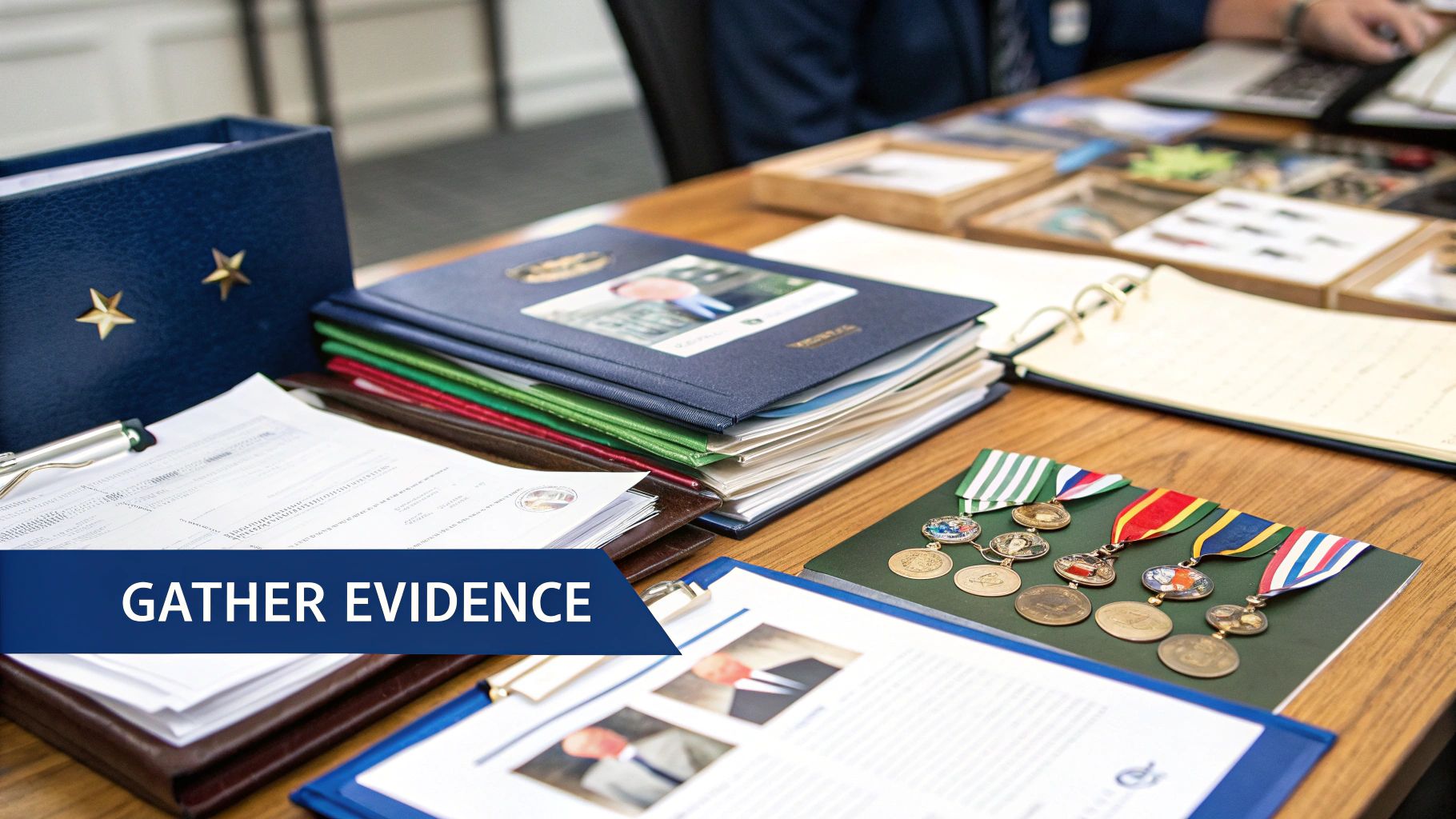
Receiving a denial letter for your VA claim can be discouraging. But it's important to remember that this letter isn't the end of the road. It's actually a roadmap to a stronger appeal. The first step is understanding the reasons behind the denial. This section will help you decipher the language of these letters and create a plan of action.
Common Reasons for Denial
VA claim denials often result from specific issues within the initial application. Two frequent culprits are insufficient medical evidence and procedural errors. Insufficient medical evidence means the VA lacks proof connecting your condition to your military service. A strong nexus statement from a medical professional is crucial in these cases. Procedural errors, conversely, are mistakes in the application process itself, such as missed deadlines or incorrect forms.
What VA Raters Look For
Former VA raters often see denied claims missing a clear link between the condition and military service. They stress the importance of detailed medical records and comprehensive nexus statements. Often overlooked are essential supporting documentation and clear explanations of the condition's impact on daily life.
Analyzing Real Denial Letters
Let's examine how successful appellants tackled these challenges. One veteran's initial claim for PTSD was denied for insufficient medical evidence. His appeal included a detailed nexus statement from his therapist, supported by statements from fellow service members. This strengthened his claim, leading to approval. Another veteran’s claim was initially denied due to a procedural error. A careful review of the denial letter revealed an outdated form. Correcting this in his appeal quickly reversed the decision.
It’s important to understand the frequency of initial denials. The VA denies between 300,000 to 400,000 claims annually out of almost a million pending. However, a small percentage are appealed to the Board of Veterans' Appeals, with only about 40,000 cases reaching this stage each year. While initial denials are common, appealing is less so. Despite this, veterans who appeal often have a high success rate, especially with legal representation. Explore this topic further.
Developing a Strategic Approach
Avoid generic appeals. Instead, directly address the specific reasons outlined in your denial letter. This targeted approach is more efficient. Understanding the “why” behind the denial allows you to build a stronger, more effective appeal. This increases your chances of success by creating a robust, targeted evidence package.
Building an Evidence Package That Demands Approval

A successful VA claim appeal often depends on one crucial thing: compelling evidence. This section explores how to assemble the right documentation to effectively support your claim and persuade reviewers. It's about understanding what the VA looks for and presenting your case with clarity and precision.
The Power of the Nexus Statement
The nexus statement is a vital part of your appeal. It directly links your current condition to your military service. A strong nexus statement isn't just a diagnosis; it explains how your service caused the condition.
For example, a veteran claiming hearing loss could submit a nexus statement from an audiologist. This statement would detail how exposure to loud noises during their service directly resulted in their current hearing impairment.
Securing Supporting Statements
Lay statements offer valuable firsthand accounts. These statements can come from fellow veterans who witnessed relevant events or observed the onset of your condition. They corroborate your claim with personal experiences.
Statements from family members or friends can also help. Their input can attest to the impact of your condition on your daily life, further demonstrating the severity of your disability.
Organizing Military Records
Your military records are a key source of potential evidence. Organize them chronologically, highlighting entries that support your claim, such as records of injuries, illnesses, or exposure to hazardous conditions.
For example, a veteran claiming PTSD related to combat should highlight records documenting their combat deployments and any related incidents. This targeted approach helps reviewers understand your case.
Utilizing Medical Literature
Presenting relevant medical literature can strengthen your claim. This shows that your condition is recognized within the medical community and reinforces the connection between your service and disability.
Simply providing articles isn't enough. Explain how the literature specifically applies to your individual case. This adds weight and context to your evidence.
Structuring Your Evidence for Maximum Impact
Organize your evidence package logically and clearly. A well-structured package allows reviewers to easily understand your claim and locate supporting documentation.
Use a table of contents, dividers, and clear labels. This creates a user-friendly experience for the reviewer and can significantly influence the outcome of your appeal.
The following table summarizes the different types of evidence you can gather for your VA appeal:
Understanding the different types of evidence and how to obtain them can significantly strengthen your case.
| Evidence Type | Impact Level | How to Obtain | Common Mistakes |
|---|---|---|---|
| Nexus Statement | High | From a medical professional linking your condition to your service | Not clearly explaining the connection between service and condition |
| Lay Statements | Medium | From fellow veterans, family, or friends | Statements lacking specific details or focusing on opinions rather than facts |
| Military Records | High | Request from the National Archives | Not organizing records chronologically or highlighting relevant entries |
| Medical Literature | Medium | From reputable medical journals and databases | Simply providing articles without explaining their relevance to your case |
By organizing your evidence effectively, you present a more compelling argument for your appeal.
Addressing Specific Denial Reasons
Your denial letter offers valuable insight. It highlights the perceived weaknesses of your initial claim. When appealing, directly address each denial reason with targeted evidence.
This shows you’ve understood the VA's concerns and taken steps to address them. This proactive approach reinforces the validity of your appeal.
Templates and Best Practices
Using templates for evidence submission can help ensure you include all necessary information. These templates provide a helpful framework for organizing your documentation.
Remember to tailor any template to your specific circumstances. This ensures your evidence package accurately reflects your unique situation.
By meticulously building your evidence package and addressing the specific reasons for your denial, you significantly strengthen your appeal. This proactive approach increases your chances of a favorable decision and securing the benefits you deserve.
Choosing Your Appeal Path: Strategic Decisions

Successfully appealing a VA claim demands a strategic approach. A crucial part of this is selecting the right appeal path. Choosing incorrectly can cause significant delays and impact your chances of a successful outcome. This section examines the strategic advantages of each Appeals Modernization Act (AMA) option, incorporating insights from veterans who have successfully used these avenues.
Understanding Your Options: Supplemental Claim, Higher-Level Review, and Board Appeal
The AMA offers three distinct paths for appealing a VA claim: the Supplemental Claim, the Higher-Level Review, and the Board Appeal. Each has unique characteristics making it suitable for specific circumstances.
A Supplemental Claim is best when you have new and relevant evidence not submitted with your initial claim. This might include a new medical diagnosis, additional service records, or a more compelling nexus statement. This path allows you to bolster your case with vital information.
The Higher-Level Review provides a faster review of your existing claim by a more experienced reviewer. This is a good option if you think the initial denial resulted from a misinterpretation of existing evidence or a procedural error. Keep in mind, you cannot submit new evidence with a Higher-Level Review.
A Board Appeal takes your case to the Board of Veterans' Appeals. This is generally the longest process, but it offers the opportunity for a formal hearing. It’s often the best course of action for complex cases or when previous appeals have been denied. A Board Appeal can provide a fresh perspective.
To help you understand the differences, let's take a look at a comparison table:
VA Appeal Options Comparison: Detailed comparison of different appeal lanes with their timelines, evidence rules, and success rates.
| Appeal Type | Timeline | New Evidence Allowed | Success Rate | Best For |
|---|---|---|---|---|
| Supplemental Claim | Varies, generally faster than Board Appeal | Yes | Higher with strong new evidence | Cases with new supporting evidence |
| Higher-Level Review | Typically faster than other options | No | Moderate, depends on initial evidence | Suspected procedural errors or misinterpretations |
| Board Appeal | Can be lengthy, often 1-2 years or more | Yes | Varies significantly depending on case complexity | Complex cases or multiple prior denials |
Note: Success rates are estimations based on various factors and can fluctuate.
This table summarizes the key distinctions between the three appeal paths, helping you better understand which might be most appropriate for your individual situation.
Strategic Considerations: Factors Influencing Your Choice
Several factors should influence your choice of appeal path. The nature of your condition, the reason for the denial, and the available evidence all play crucial roles.
For instance, if your claim was denied due to insufficient medical evidence and you now have a strong nexus statement from a medical specialist, a Supplemental Claim is likely the best approach.
If you believe your claim was denied because of a procedural error, a Higher-Level Review may offer a faster resolution. However, for cases involving complex medical issues and substantial evidence, a Board Appeal might be the best option despite the longer timeframe.
Insider Tips: Advice from VA Advocates
VA advocates often use specific criteria when advising veterans on which appeal path to pursue. They consider not only the condition and denial reason but also the strength of existing evidence and the potential impact of any new evidence.
One veteran, initially denied benefits for a knee condition, pursued a Higher-Level Review believing his existing evidence was sufficient. When this failed, he consulted a VA advocate who recommended a Supplemental Claim with a new medical opinion. This strategic change led to a successful appeal.
Learning From Experience: Veteran Testimonials
Veterans' experiences offer valuable insights. One veteran, denied benefits for Post-Traumatic Stress Disorder (PTSD), initially opted for a Supplemental Claim. He later realized a Board Appeal would have been more appropriate due to his case's complexity. This underscores the importance of careful consideration. Another veteran, denied benefits for hearing loss, found success through a Higher-Level Review after a procedural error in his initial claim was addressed. These examples demonstrate the importance of choosing the right path. A strategic decision increases your chances of receiving the benefits you deserve. This is especially important considering the potential for significant delays and lower success rates if the wrong path is chosen.
Finding and Leveraging Professional Representation
Successfully appealing a VA claim often requires a deep understanding of the VA system, its processes, and its particular nuances. While some veterans choose to navigate this complex system independently, many find that professional representation significantly increases their likelihood of a successful outcome. This section explores the advantages of professional representation and offers guidance on finding and working effectively with an advocate.
Why Professional Representation Matters
The VA appeals process can be intricate and time-consuming, requiring a thorough knowledge of regulations and procedures. A skilled advocate, such as a Veterans Service Officer (VSO) or an accredited attorney, can provide invaluable support. They can guide you through each step, assisting with gathering evidence, constructing persuasive arguments, and meeting critical deadlines. This expert assistance can be key to navigating the system efficiently and effectively.
Identifying the Right Advocate
Selecting the right representative is a critical decision. Look for advocates with a demonstrated history of success in VA appeals. It’s wise to interview several potential representatives before committing to one. Inquire about their experience with cases similar to yours, their familiarity with the appeals modernization act (AMA) process, and their preferred communication style. Choosing someone you trust and can communicate openly with is paramount.
Understanding Fee Structures and Payment Limitations
Before hiring an attorney, it’s essential to understand their fee structure. Some attorneys operate on a contingency fee basis, meaning they are paid only if your appeal is successful. Others charge an hourly rate. The VA has specific regulations regarding attorney fees, so ensure any agreement adheres to these rules. For instance, attorneys are prohibited from charging fees for helping with the initial filing of a VA claim.
When to Seek Professional Help
Some veterans seek representation from the beginning of their claim, while others choose to engage professional help later in the process, often after an initial denial. There's no single correct approach. However, if you're struggling to understand the process, gather necessary evidence, or construct a compelling argument, seeking professional assistance early can often save considerable time and frustration.
Navigating the Backlog and Potential Delays
The significant volume of pending appeals can create substantial delays. Historically, over 425,000 cases have been pending decisions at the Board of Veterans' Appeals (BVA). While the BVA aims for efficiency, it has faced criticism for errors and inconsistencies. Learn more about the challenges faced by the BVA here. This backlog contributes to appeals often taking several years to resolve. Professional representation can assist you in navigating this backlog and potentially expedite your case.
What Effective Representation Looks Like
Effective representation goes beyond simply filing paperwork. A skilled advocate will actively champion your case, meticulously reviewing all details, identifying potentially overlooked evidence, and developing a personalized strategy. They will also prepare you thoroughly for any hearings, ensuring you feel confident and well-equipped to present your case.
Impactful Representation: Veteran Experiences
Many veterans have shared compelling stories about how the right advocate made a significant difference in their appeals. One veteran struggled for years to get his claim for Post-Traumatic Stress Disorder (PTSD) approved. After hiring an accredited attorney, his case was re-evaluated, and new medical evidence was presented effectively. The attorney's expertise resulted in a successful appeal and the benefits he deserved. Another veteran, overwhelmed by the complexities of the process, partnered with a VSO who helped organize his documentation and present a clear and concise narrative. This organized approach led to a much faster decision than expected. These examples underscore how professional support can have a tangible and positive impact.
By carefully selecting and effectively utilizing professional representation, you can significantly improve your chances of successfully navigating the VA appeals process. A skilled advocate can provide the knowledge, experience, and unwavering support necessary to overcome challenges and secure the benefits you have earned.
Mastering Your Board Hearing Opportunity
For many veterans appealing a VA claim, the Board hearing offers a crucial opportunity to connect directly with decision-makers. This face-to-face interaction allows you to present your case personally, going beyond the limitations of paperwork. This section will equip you with the knowledge and strategies to make the most of this valuable opportunity.
Structuring Your Testimony for Maximum Impact
Think of your testimony as a story. Begin by clearly outlining your service history and the events that led to your condition. Then, explain how your service-connected condition impacts your daily life.
Provide specific examples and anecdotes to illustrate the challenges you face. This helps the Board understand the tangible effects of your disability.
Anticipating Challenging Questions
Prepare for potential questions the Board might ask. Practice your responses beforehand, focusing on clarity and conciseness.
If you don't understand a question, don’t hesitate to ask for clarification. This demonstrates your commitment to providing accurate information.
Communicating Complex Medical Information
Medical jargon can be confusing. Explain complex medical information in plain language, avoiding technical terms whenever possible.
Use analogies or comparisons to make these concepts more accessible to the Board. This ensures your message is understood clearly. For example, when discussing the impact of chronic pain, compare it to a persistent ache that interferes with simple tasks.
Preparation Techniques for a Persuasive Presentation
Successful appellants emphasize the importance of thorough preparation. Review your evidence package, medical records, and service history.
Practice your testimony with a friend, family member, or a VA advocate. This will build your confidence and improve your delivery.
Presentation Elements that Influence Decision-Makers
Subtle presentation elements can have a significant impact. Maintaining eye contact, speaking clearly and calmly, and presenting yourself respectfully all contribute to a positive impression.
These non-verbal cues demonstrate your credibility and sincerity. The Board hearing is your chance to humanize your case. By connecting with the Board personally, you enhance the persuasive power of your testimony and increase your chances of a successful appeal.
Tips from Successful Appellants
Veterans who have won their appeals offer valuable advice. Many recommend bringing a support person to the hearing for emotional support and an additional perspective on your condition's impact.
Additionally, consider taking notes during the hearing. This allows you to refer back to specific points later and demonstrates your engagement in the process. Finally, don't be afraid to show emotion. Authenticity is powerful, and expressing the genuine impact of your condition can be incredibly persuasive.
Post-Decision Strategies: Your Next Tactical Moves
Receiving a decision on your VA claim appeal is a significant milestone. However, it isn't necessarily the end of the road. This section explores the possible outcomes—partial grants, remands, and denials—and provides guidance on your next steps. Understanding your options and how to proceed strategically is vital for securing the full benefits you deserve.
Interpreting the Decision: Understanding the Outcome
Your decision letter will outline the VA’s findings. A partial grant means the VA has approved some, but not all, of your claimed conditions or awarded a lower disability rating than you requested. A remand means the VA is sending your case back for further review or development, often requesting additional evidence. A denial, unfortunately, means the VA has not granted the benefits you sought in your appeal.
For example, if you appealed for benefits related to both knee and back pain, a partial grant might approve the knee condition but deny the back condition. A remand could occur if the VA requires additional medical records to verify the severity of your back pain. Understanding the nuances of these decisions is critical for formulating your next move.
Next Steps: Charting Your Course of Action
Your post-decision strategy depends on the type of decision received. For partial grants, you can choose to accept the granted benefits while continuing to appeal the denied portions. This allows you to receive some compensation while pursuing the full amount you believe you are entitled to.
In the case of a remand, gather and submit the requested information promptly. This proactive approach keeps your case moving forward. If your appeal resulted in a denial, you have further appeal options.
Further Appeals: Exploring Your Options
If your appeal is denied, you might consider escalating your case to the Court of Appeals for Veterans Claims. This requires careful consideration and understanding of the specific timelines and requirements. This court specializes in veteran-related legal matters and offers another avenue for pursuing your benefits.
It’s crucial to weigh the potential benefits of further appeals against the time and resources required. Consulting with a VA-accredited attorney can be invaluable in making this decision. They can assess your case and provide tailored guidance based on your specific circumstances.
Maintaining Momentum: Perseverance and Mental Well-Being
The VA appeals process can be lengthy and emotionally taxing. Maintaining momentum and safeguarding your mental health is crucial during this journey. Support networks, including fellow veterans and family members, can offer encouragement and help you manage stress.
Remember, setbacks are not failures. Adjusting your approach based on feedback from the VA is a sign of strategic thinking, not giving up. Knowing when to stand firm and when to modify your strategy is a key aspect of successful appeals.
Veteran Insights: Navigating Multiple Appeal Stages
Veterans who have navigated multiple appeal stages offer valuable advice. They often stress the importance of organization and clear communication throughout the process. Keeping detailed records of all correspondence, evidence submitted, and decisions received is essential.
This organized approach ensures you can readily access vital information at any stage of the appeal. Additionally, maintaining open communication with your VA representative, whether a VSO or an attorney, helps ensure everyone is on the same page.
Appealing a VA claim can be challenging, but understanding your options and employing strategic decision-making empowers you to navigate the process effectively. By learning from each decision and remaining persistent, you can increase your chances of receiving the full benefits you’ve earned.
Ready to take control of your VA claim appeal and secure the benefits you deserve? Contact Homefront Group today for a free consultation. Our team of experienced veteran advocates is dedicated to empowering veterans like you through each stage of the appeals process. Visit Homefront Group and take the first step towards a successful outcome.