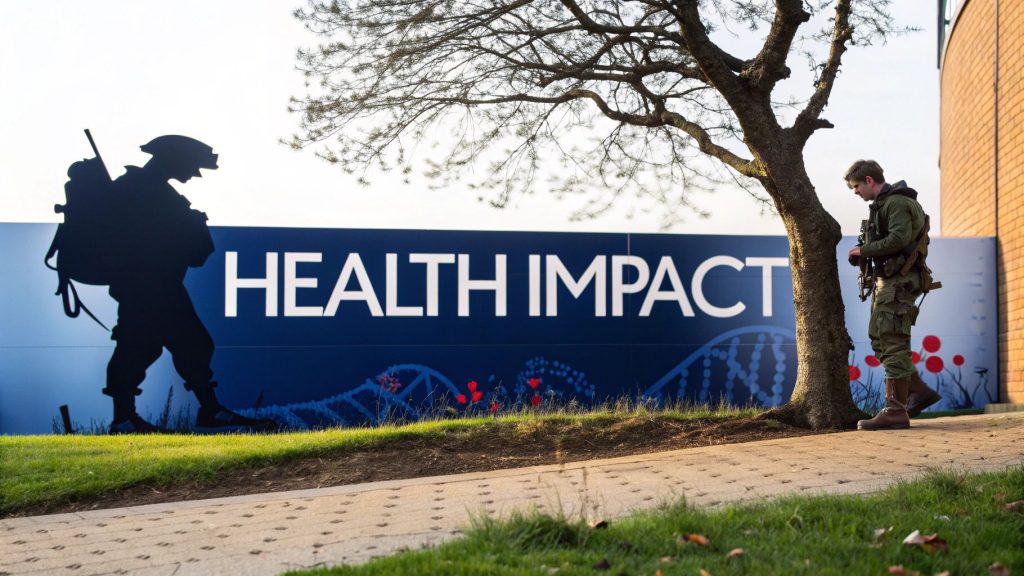

Understanding the Lingering Effects of Agent Orange
From 1962 to 1971, the U.S. military sprayed the herbicide Agent Orange extensively across Vietnam, Laos, and Cambodia with the aim of destroying enemy cover and food supplies. Millions of gallons of this chemical defoliant, containing toxic dioxins like TCDD, were used. The health impacts continue to affect veterans, first responders, and their families decades later.
The link between Agent Orange exposure and serious health conditions was initially dismissed. However, persistent advocacy work, medical research, and documented cases from affected individuals provided clear evidence of its devastating effects. This led to greater recognition and support programs for those impacted.
Early identification of symptoms and access to proper medical care are essential for addressing Agent Orange-related health issues. The Department of Veterans Affairs (VA) maintains an Agent Orange Registry to track and support affected veterans. While confirming an Agent Orange-related diagnosis can be complex, understanding potential symptoms is a critical first step.
This overview will examine eight key health conditions linked to Agent Orange exposure, helping readers:
- Recognize potential symptoms
- Understand the diagnosis process
- Learn about available treatments
- Navigate VA claims and appeals
- Access support resources for toxic exposure cases
The information is vital for veterans, first responders, and families dealing with Agent Orange exposure who need to understand their healthcare options and benefits eligibility. We'll explore each condition in detail to help guide those seeking proper medical evaluation and care.
1. Chloracne
Chloracne serves as a key medical sign of Agent Orange exposure. This severe skin condition extends far beyond typical acne, developing after contact with toxic dioxins found in Agent Orange. A clear understanding of chloracne helps veterans seek proper medical care and support their disability claims.
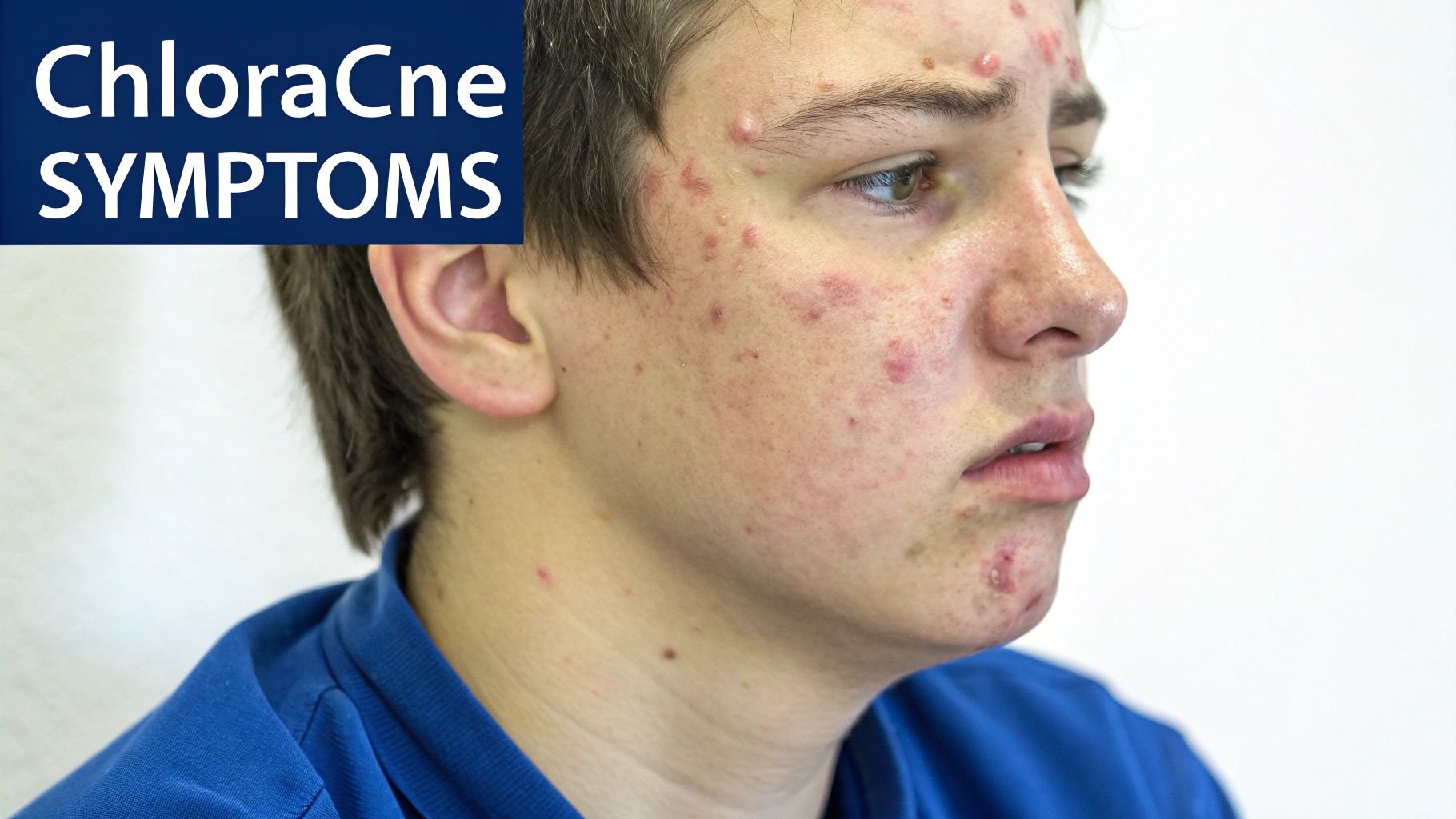
The condition creates painful eruptions and cysts, primarily affecting the face, neck, ears, armpits, and groin areas. These aren't temporary breakouts – they often persist for many years, causing both physical pain and emotional distress.
Key Features of Chloracne:
- Cyst-like skin lesions: Deep, inflamed cysts that cause pain and scarring
- Dark Pigmentation: Affected skin areas often develop darker coloring
- Long-term Effects: Can last for years or decades after initial exposure
Connection to Agent Orange:
Scientists first noticed the link between chloracne and dioxins through workplace cases. Chemical plant workers handling contaminated herbicides showed high rates of chloracne. Later, when Vietnam veterans exposed to Agent Orange developed similar symptoms, it helped establish the connection. The condition became a visible marker of dioxin exposure.
Notable Cases:
- Vietnam Veterans: Many service members in heavily sprayed areas developed chloracne, highlighting Agent Orange's health impacts
- Seveso Accident: The 1976 industrial disaster in Italy caused a chloracne outbreak, further proving the dioxin connection
Important Steps for Veterans:
- Get Early Treatment: While not curable, prompt medical care can help manage symptoms
- Keep Records: Take photos and document your condition's progression for VA claims
- Practice Good Skin Care: Maintain cleanliness to prevent infections
Benefits as an Exposure Indicator:
Advantages:
- Clear Visual Sign: Easy to identify and document
- Strong Scientific Link: Well-established connection to dioxin exposure
Limitations:
- Not Universal: Some exposed people never develop chloracne
- Variable Presentation: Symptoms range widely in severity
Understanding chloracne helps veterans recognize symptoms, seek treatment, and pursue appropriate benefits. For specific guidance, consult with dermatologists and veteran service organizations that specialize in Agent Orange cases.
2. Peripheral Neuropathy
Peripheral neuropathy is a serious nervous system condition that affects many veterans exposed to Agent Orange. This disorder damages the peripheral nerves – the network outside the brain and spinal cord that connects the central nervous system to the rest of the body. For those exposed to toxic substances, this nerve damage can cause severe symptoms that affect daily life.

After the Vietnam War, medical experts began noticing a pattern of nerve problems in veterans. As more veterans reported numbness, tingling, and pain in their limbs, research studies explored the connection to Agent Orange exposure. Scientific evidence confirmed this link, helping veterans access much-needed medical care and benefits.
Key Symptoms and Signs:
The condition typically starts in the hands and feet with symptoms like:
- Pain and tingling: From mild discomfort to severe burning sensations
- Muscle weakness: Making basic movements difficult
- Temperature sensitivity: Trouble feeling hot and cold
- Poor balance: Increased risk of falling due to nerve damage
Benefits and Challenges of Early Detection:
- Benefits: Finding the condition early allows for better symptom management and slows its progression
- Challenges: The nerve damage is usually permanent and can lead to ongoing disability
Veterans' Stories:
Many veterans have shared their struggles with Agent Orange-related peripheral neuropathy. One veteran described constant foot pain that made walking nearly impossible. Another found himself unable to handle small objects or write due to lost sensation in his hands. These accounts show how deeply this condition affects veterans' everyday activities.
Managing the Condition:
- Medical Monitoring: Regular visits to a neurologist help track the condition and adjust treatments. This documentation is also vital for VA claims.
- Physical Therapy: Specific exercises maintain strength and improve coordination
- Pain Control: Working with doctors to find effective pain relief methods
Understanding peripheral neuropathy and its connection to toxic exposure is essential for affected veterans and first responders. This knowledge helps them get proper medical treatment, seek compensation, and learn ways to handle their symptoms. While there's no cure, active management can help maintain independence and improve daily life.
3. Type 2 Diabetes
Type 2 diabetes is a serious health condition where the body cannot properly use insulin, leading to high blood sugar levels. Research has shown a strong connection between Agent Orange exposure and developing this condition. This makes type 2 diabetes a "presumptive condition" for veterans who served in areas where Agent Orange was used – meaning the VA automatically considers their diabetes to be service-connected.
Scientific studies by the Institute of Medicine (now the National Academy of Medicine) found that dioxin, a toxic chemical in Agent Orange, disrupts how the body processes glucose and responds to insulin. While this link faced early skepticism, growing evidence led the VA to officially recognize the connection, making it easier for veterans to access healthcare and disability benefits.
Key Signs of Agent Orange-Related Type 2 Diabetes:
- Increased thirst and hunger: The body tries to flush out excess sugar, causing dehydration and constant hunger
- Frequent urination: High blood sugar makes kidneys work harder to filter glucose
- Unexplained weight loss: Despite eating more, the body can't properly use sugar for energy
- Ongoing fatigue: Poor energy production from sugar leads to constant tiredness
Clinical Importance: The strong scientific evidence linking Agent Orange exposure to type 2 diabetes makes this a vital health issue for veterans. The VA's recognition helps veterans get proper care and support.
Real Example: A Vietnam veteran who develops type 2 diabetes years after service can qualify for disability benefits due to Agent Orange exposure, even without other risk factors.
Managing the Condition:
- Check blood sugar regularly: Monitor levels to prevent complications
- Follow a healthy diet: Focus on whole foods, limit processed foods and sugary drinks
- Stay active: Regular exercise helps control blood sugar
- Take medications as prescribed: Proper medication use prevents long-term health issues
Understanding these health effects helps veterans and first responders plan for future medical needs and pursue appropriate benefits. For those whose diabetes impacts their ability to work, documenting the connection to toxic exposure can support disability claims.
While developing diabetes is never positive, having it recognized as Agent Orange-related gives veterans better access to VA healthcare and compensation. The main challenge remains managing the condition's impact on daily life and long-term health.
(No link provided)
4. Various Cancers
Agent Orange exposure has dramatically increased the risk of developing various cancer types. This connection directly impacts veterans seeking VA benefits, medical claims, and support services for their health needs.
Key Facts for Claims and Benefits:
The VA officially recognizes several cancers as connected to Agent Orange exposure, qualifying veterans for service-connected disability benefits. A cancer diagnosis linked to Agent Orange can lead to coverage of medical costs, financial aid, and long-term care support. This information helps veterans make crucial decisions about medical claims, estate planning, and protecting their families' futures.
Types of Cancer Associated with Agent Orange:
Research has established clear links between Agent Orange and these specific cancers:
- Multiple Myeloma: A cancer affecting bone marrow plasma cells that can cause bone pain, frequent infections, and kidney issues
- Non-Hodgkin's Lymphoma: Cancer starting in the lymphatic system with symptoms like swollen nodes, fevers, and weight loss
- Soft Tissue Sarcomas: Cancers forming in body tissues like muscle and fat, with symptoms based on tumor location
- Respiratory Cancers: Including lung cancer, showing symptoms like persistent cough, breathing problems, and chest pain
Research and Evidence:
Medical studies consistently show Vietnam veterans have higher cancer rates compared to others in their age group. While individual cases remain private, the overall data clearly demonstrates the connection between Agent Orange exposure and these illnesses.
Development of Scientific Understanding:
Scientists identified the Agent Orange-cancer link through years of careful research tracking veterans' health outcomes. As more veterans developed these cancers, researchers found clear patterns pointing to Agent Orange exposure as a major risk factor.
Health Management Tips for Veterans:
- Get Regular Cancer Screenings: Early detection leads to better treatment results. Talk with your doctor about appropriate screening schedules.
- Report Health Changes: Tell your doctor about any new symptoms right away.
- Keep Complete Records: Save all medical documents and exposure records to support VA claims. Consider working with veteran service groups for help with paperwork.
While we can't prevent all cancers, catching them early and getting proper treatment makes a big difference. Veterans should stay informed about their health risks and available benefits.
5. Respiratory Problems
Agent Orange exposure can lead to serious respiratory health issues. For veterans and first responders, understanding how Agent Orange affects breathing and lung function is essential for getting proper medical care and compensation.
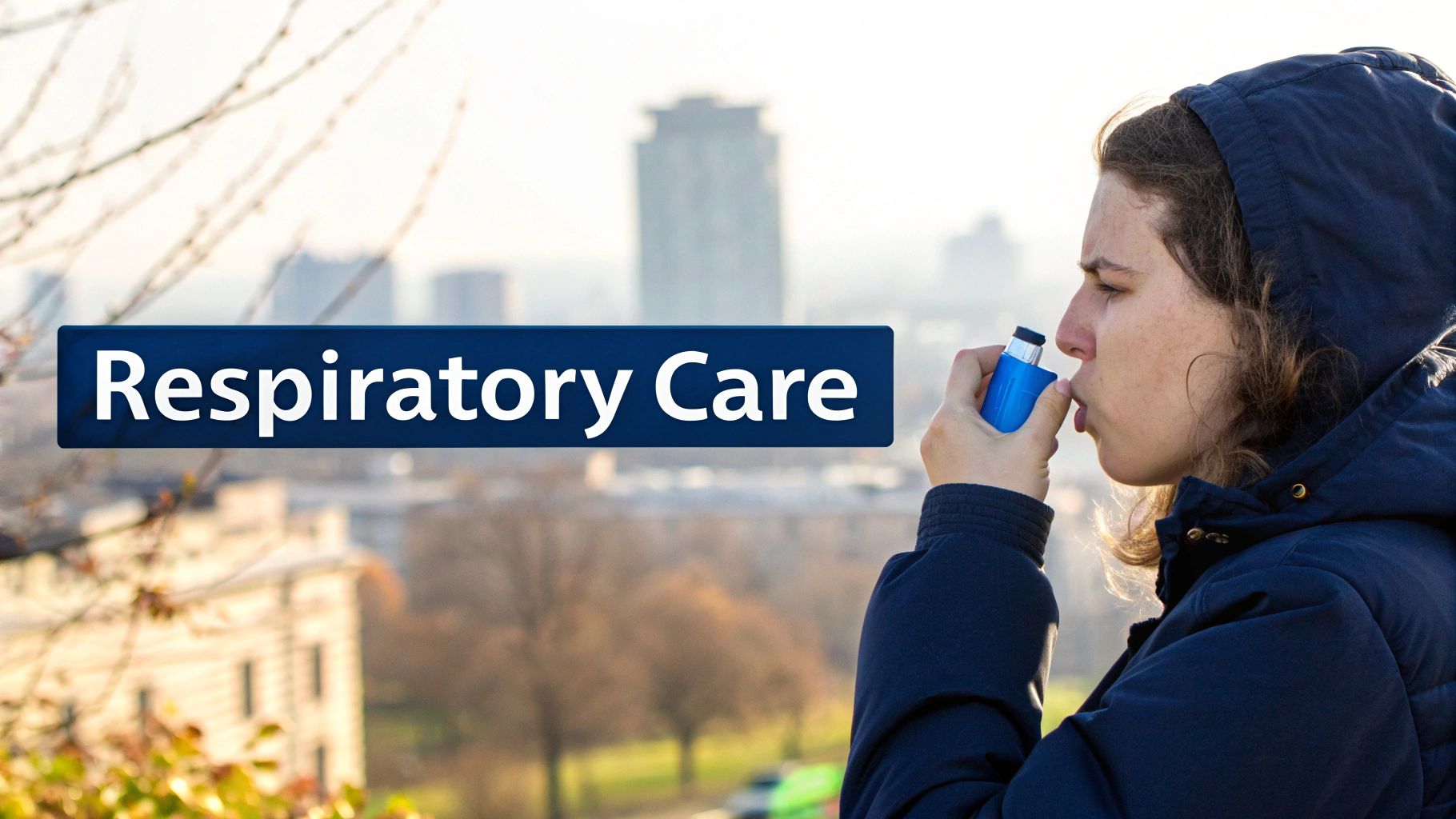
The dioxin in Agent Orange can damage the respiratory system, causing chronic conditions like bronchitis, emphysema, and breathing problems. Common symptoms include:
- Shortness of breath: From mild breathlessness during activity to severe breathing difficulty even at rest
- Chronic cough: An ongoing, productive cough that persists
- Wheezing: A whistling sound during breathing showing airway problems
- Reduced lung function: Measured through tests showing decreased breathing capacity
Research by the National Academy of Medicine has proven the connection between Agent Orange and respiratory diseases. This led the VA to recognize these conditions for disability claims. For instance, a veteran who develops bronchitis after serving in areas with Agent Orange exposure may qualify for benefits.
The challenges of Agent Orange-related breathing problems are significant:
- Gets worse over time: These conditions typically become more severe as years pass
- Few treatment options: While symptoms can be managed, conditions like emphysema have no cure
Here are practical steps to help manage respiratory symptoms:
- Regular lung function testing: Monitor breathing capacity and track any changes
- Avoid irritants: Stay away from smoke, dust and other lung irritants
- Use prescribed medications: Take inhalers and other treatments as directed
When seeking compensation, keep detailed records of symptoms and Agent Orange exposure. Medical records, service history, and expert medical opinions strengthen disability claims. While this guidance focuses on VA claims, it applies to other legal options like workers' compensation and injury cases where breathing problems affect the outcome. Speak with a qualified attorney about your specific situation and legal rights.
6. Birth Defects
Agent Orange exposure's impact on birth defects represents one of its most devastating legacies. For veterans filing VA claims, this is particularly important when considering their children's health needs. Even if veterans show no symptoms themselves, their children may face significant health challenges due to their parent's service-related exposure.

Research has shown clear links between Agent Orange exposure and various birth defects that affect multiple body systems. Common issues include:
- Physical Deformities: These range from cleft lip and palate to missing or malformed limbs
- Developmental Delays: Children often struggle with basic milestones like walking, talking, and cognitive growth
- Neural Tube Defects: Conditions like spina bifida occur at higher rates
- Multi-System Effects: Many children face complex medical needs affecting multiple organs
Evidence and Research
Studies following the Vietnam War revealed significantly higher rates of birth defects among children of exposed veterans compared to the general population. This evidence sparked major research efforts to understand these generational health impacts.
Recognition and Support
The Agent Orange Registry program helped document these effects through systematic data collection. This evidence led the VA to expand benefits coverage for children of affected veterans.
Steps for Seeking Benefits
- Gather Records: Collect medical documentation of your child's condition and your service history
- File VA Claims: Submit claims specifically for birth defect-related benefits
- Get Expert Help: Work with attorneys who specialize in Agent Orange cases
- Find Support Groups: Connect with organizations like the Vietnam Veterans of America for resources
Why This Matters
The birth defects linked to Agent Orange exposure continue to affect families decades after the war. This reality highlights why ongoing support and advocacy remain essential. For veterans, understanding these risks helps them access proper care and benefits for their children. This makes birth defects a critical component of any discussion about Agent Orange's long-term effects.
7. Heart Disease
Agent Orange exposure has led to a significant occurrence of heart disease among veterans. The effects range from serious cardiovascular problems to potentially fatal complications. Due to these health impacts, it is vital for veterans to understand their options for medical care and compensation.
One main concern is ischemic heart disease, where arteries become narrow due to plaque buildup, reducing blood flow to the heart. Coronary artery disease (CAD) is the most common form, and studies show Agent Orange exposure increases veterans' risk of developing this condition.
Key Heart Problems Related to Agent Orange:
- Coronary Artery Disease: Restricts blood flow to the heart, raising the risk of heart attacks
- Chest Pain (Angina): Presents as tightness or pressure in the chest – often an early warning sign
- Irregular Heartbeat: Can cause palpitations, dizziness, and fainting spells
- Poor Circulation: Reduces blood flow to limbs, leading to pain and numbness
Research Evidence:
Studies by the Veterans Administration have found a clear link between Agent Orange and heart disease. Research published in the Journal of Occupational and Environmental Medicine showed veterans exposed to Agent Orange had higher rates of ischemic heart disease compared to unexposed veterans. The VA now recognizes heart disease as a presumptive condition for veterans who served in specific areas during the Vietnam War.
Understanding the Connection:
Scientists first focused on cancers and birth defects when studying Agent Orange. As veterans aged, researchers noticed increasing cardiovascular problems. Years of research and veteran advocacy led the VA to officially connect certain heart conditions to Agent Orange exposure.
Essential Health Tips for Veterans:
- Get regular heart checkups for early detection
- Monitor blood pressure consistently
- Follow a heart-healthy diet and exercise routine
- Practice stress management through meditation or deep breathing
Benefits of Early Care:
Quick diagnosis and treatment significantly improve outcomes for veterans with Agent Orange-related heart problems. Treatment may include medications, lifestyle changes, and sometimes surgery.
Understanding this connection helps veterans take charge of their health. If you suspect heart problems related to Agent Orange exposure, speak with your doctor and contact the VA about benefits claims.
8. Liver Dysfunction
Agent Orange exposure, particularly through its dioxin contaminant TCDD, is linked to various liver problems known as liver dysfunction. This condition has emerged as a major health concern due to its serious effects on veterans' wellbeing and long-term health.
Research following the Vietnam War showed veterans had higher rates of liver disease compared to those not exposed. The Ranch Hand Study, which followed Air Force personnel involved in Agent Orange operations, provided strong evidence connecting dioxin exposure to liver damage. This research helped establish the basis for VA disability claims.
Dioxin causes damage by disrupting normal cell functions in the liver. Common signs of Agent Orange-related liver problems include:
- Elevated liver enzymes: Blood tests showing high ALT and AST levels, indicating liver inflammation
- Jaundice: Yellow skin and eyes from bilirubin buildup
- Abdominal pain: Discomfort in the upper right abdomen
- Fatigue and weakness: Ongoing tiredness due to impaired liver function
Health Risks:
Without proper care, liver dysfunction can lead to:
- Chronic liver disease: Long-term inflammation and scarring
- Cirrhosis: Severe scarring that can progress to liver failure
Managing Liver Health:
If you're a veteran with these symptoms, take these important steps:
- Get regular testing: Schedule blood tests to check liver function
- Avoid harmful substances: Stay away from alcohol and discuss medications with your doctor
- Follow a healthy diet: Eat plenty of fruits, vegetables and whole grains
- Watch for warning signs: Note any new symptoms like increased jaundice or swelling
Benefits and Support:
Veterans with Agent Orange-related liver problems may qualify for VA disability benefits. Document your medical history and exposure carefully. Consider working with a veterans' claims attorney, especially for complex cases involving chronic liver disease. Good financial planning is essential to protect your family's future. For veterans dealing with additional injuries or exposures, understanding how these interact with Agent Orange effects is key to getting proper care.
For resources and assistance, search online for "Agent Orange liver dysfunction VA claims" to find help from the VA and veteran support groups. Early intervention and expert guidance are vital for managing Agent Orange-related liver problems effectively.
8-Point Agent Orange Symptom Comparison
| Symptom | 🔄 Implementation Complexity | ⚡ Resource Requirements | 📊 Expected Outcomes | ⭐ Ideal Use Cases | 💡 Key Advantages |
|---|---|---|---|---|---|
| Chloracne | High – persistent condition requiring specialized dermatology | High – long-term dermatological care and monitoring | Chronic management; improvement may be gradual | Cases with long-standing skin lesions and dioxin exposure history | Early treatment and documentation improve claim potential |
| Peripheral Neuropathy | Moderate to High – requires detailed neurological evaluation | High – diagnostic tests and specialist consultations | Symptom management; typically irreversible | Patients with numbness, tingling or muscle weakness in extremities | Timely interventions can slow progression |
| Type 2 Diabetes | Moderate – routine monitoring combined with lifestyle adjustments | Moderate – regular blood sugar testing and medication management | Effective rate control with proper diet, exercise, and medication | Individuals with metabolic issues and presumptive Agent Orange exposure | Preventative measures and compliance significantly benefit outcomes |
| Various Cancers | High – intensive diagnostic workup and individualized treatment | High – comprehensive screening and multifaceted treatment approach | Variable; early detection can improve survival outcomes | High-risk populations exposed to toxic agents requiring regular cancer screening | Early intervention and monitoring are critical for better prognosis |
| Respiratory Problems | Moderate – ongoing management with repeated evaluations | Moderate – pulmonary function tests, inhalers, and specialist care | Chronic symptom stabilization; may slow progression | Individuals with long-term breathing difficulties or chronic cough | Consistent monitoring helps mitigate further lung function loss |
| Birth Defects | High – early intervention and preventive programs needed | High – extensive neonatal screening and genetic counseling | Early treatment enhances developmental outcomes; prevention is key | Children of exposed veterans and high-risk families | VA programs and registry data support early detection and intervention |
| Heart Disease | Moderate – periodic cardiac check-ups with lifestyle modifications | Moderate – regular cardiac evaluations and medication management | Reduced cardiovascular risk when managed with early detection and intervention | Patients with cardiovascular risk factors related to toxic exposures | Consistent check-ups and lifestyle changes effectively alter outcomes |
| Liver Dysfunction | Moderate – requires ongoing monitoring to prevent chronic progression | Moderate – routine liver function tests and dietary adjustments | Stable outcomes if managed early; prevention of cirrhosis is achievable | At-risk individuals with signs of liver damage or exposure history | Early avoidance of hepatotoxic substances and regular monitoring are beneficial |
Seeking Support and Resources
Getting help for Agent Orange-related health issues requires taking active steps. The health impacts can be wide-ranging – from skin conditions like chloracne to various cancers, type 2 diabetes, heart disease, and liver problems. Many veterans also experience peripheral neuropathy, respiratory issues, and there are concerns about birth defects in children. Early detection and treatment of these conditions is crucial for better health outcomes. The VA provides essential resources and benefits for qualifying veterans.
Understanding the specific health conditions linked to Agent Orange exposure helps veterans advocate for themselves and manage their care effectively. It's important to stay current on new research findings, VA benefit updates, and legal developments that may affect your care and compensation. Regular communication with healthcare providers and veteran service organizations can help you access the support you need.
Key Takeaways:
- Early diagnosis and treatment are essential for managing Agent Orange-related conditions
- The VA offers specific resources and benefits for veterans exposed to Agent Orange
- Following new research and legal updates helps veterans advocate for their care
- Support organizations provide valuable guidance through the process
Getting help with VA claims and benefits related to Agent Orange doesn't have to be overwhelming. At Homefront Group, we focus on supporting veterans and first responders. Our team includes veteran lawyers and client advocates who understand your needs firsthand. We help with VA appeals, toxic exposure claims, medical malpractice, estate planning, vehicle accident injuries, and workers' compensation cases. Take our quick 3-minute quiz to learn about your benefit eligibility and get a custom plan. We've helped secure $45 million in pending claims for injured veterans nationwide. Start your journey to better support – visit Homefront Group today.